
F1 in Texas: The American race that fans love to attend
Formula 1’s return to the Circuit of the Americas (COTA) this weekend felt less like a calendar entry and more like a cultural checkpoint for American motorsport fans.
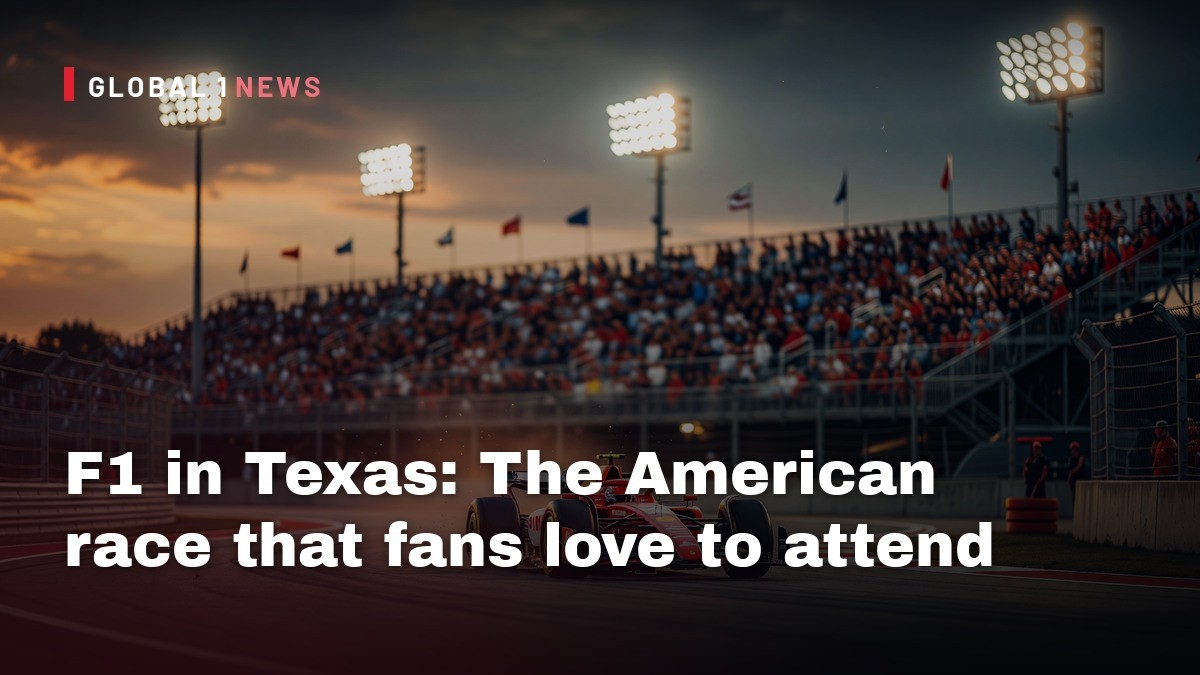
Formula 1’s return to the Circuit of the Americas (COTA) this weekend felt less like a calendar entry and more like a cultural checkpoint for American motorsport fans. After teetering on the edge of removal in the early 2010s, the Austin race has become the most attended of the three U.S. Grands Prix, drawing the crowd that actually lives for the roar of V6 turbo‑engines rather than the party‑scene crowds of Miami or Las Vegas. The reason isn’t just geography; it’s the track’s permanent layout, its evolving hospitality offerings, and the way teams like Audi are using the venue as a testing ground for their long‑term ambitions.
Why COTA Beats the Street‑Circuit Crowd
Unlike the temporary street circuits that dominate the other two U.S. stops, COTA is a purpose‑built racetrack with generous run‑off areas instead of unforgiving concrete walls. That design choice translates into a driving experience that feels more like a genuine motorsport challenge and less like a high‑speed demolition derby. The track’s DNA was shaped by former motorcycle racer Kevin Schwanz, while the familiar Hermann Tilke firm handled only the surrounding buildings and infrastructure—a detail that often gets lost in the hype.
The layout itself is a mash‑up of high‑speed sweepers, tight technical sections, heavy braking zones, and dramatic elevation changes. Those characteristics have turned COTA into a favorite for drivers who crave variety in a single lap, and for fans who appreciate the visual spectacle of cars dancing through a mix of corners. Over the past 14 years, the basic geometry has stayed the same, but the surface has grown bumpier thanks to the earthworks needed for the elevation changes and the harsh central‑Texas weather.
From Gravel to Glitz: COTA’s Hospitality Evolution
When the first U.S. Grand Prix rolled into Austin in 2012, the venue was a bare‑bones circuit surrounded by grassy banks. Fast‑forward to 2026, and those banks are now a forest of hospitality structures, complete with a cable‑car link to the paddock and not one but two swimming pools. The skyline along the track’s fringe is punctuated by roller‑coasters and amusement rides, a deliberate diversification strategy that blends theme‑park thrills, concert‑venue capacity, and racing into a single destination.
This transformation isn’t just about fan comfort; it’s a revenue engine that helps keep the race on the calendar. By turning the venue into a multi‑use complex, COTA can attract non‑racing crowds during the off‑season, ensuring the track remains financially viable and culturally relevant.
Audi’s First‑Year Growing Pains and Gains
2026 marks Audi’s debut as an official F1 constructor after its 2024 acquisition of Sauber. The German automaker entered the sport with no prior F1 pedigree, yet it has already shown that it can punch above its weight. Allan McNish, Audi’s racing director and former endurance star, highlighted that the team has been consistently fighting for Q3 qualifying spots—the threshold for scoring points. He noted that the Austin weekend delivered the first double‑point finish of the season, with the car scoring in both the sprint and the main race.
To chase those points, Audi introduced a new aerodynamic package at COTA, a development that originated in Baku a few races earlier. The upgrades targeted the “fast esses” and lower‑speed sections, areas where the team felt it had lagged earlier in the year. McNish framed the work as a stepping stone toward a longer‑term roadmap that stretches to 2030, acknowledging that while the top four teams will likely remain dominant, incremental gains in aero, tyre management, and data strategy could close the gap.
Track Bumps: A Hidden Variable for Strategy
McNish drew a parallel between COTA’s growing surface irregularities and the legendary bumpiness of Sebring, a track famed for its concrete slab that dates back to a World War II B‑17 training field. He explained that the bumps at COTA concentrate in three critical zones—primarily the heavy braking areas where energy transfer from brakes to tyres to tarmac is at its peak. “It’s like sliding on a carpet and the carpet bunches up,” he said, describing how the uneven surface can upset downshifts and destabilise the car.
For drivers, those bumps translate into a tactile challenge: the car can feel “dancing” under the wheel, demanding precise driver inputs and robust suspension tuning. For engineers, it adds a layer of data complexity, as they must model the irregularities to optimise tyre pressures and brake balance for each lap. The fact that Audi’s racing director is still feeling the track “from the pit wall” rather than the cockpit underscores how the surface remains a live variable in race strategy.
Data, Tyres, and the Tech Ecosystem at COTA
Ars Technica’s long‑standing presence at COTA has given it a front‑row seat to the tech ecosystem that underpins modern F1. Over the years, the outlet has logged hours watching how Pirelli designs its tyre compounds for the track’s mixed‑speed layout and how various tech partners feed data into team strategy rooms. The track’s permanent nature allows for consistent data collection, making it a valuable laboratory for testing tyre wear patterns, aerodynamic updates, and simulation models.
These insights feed back into the broader motorsport community, influencing everything from World Endurance Championship (WEC) entries to IMSA’s Lone Star Le Mans races that share the venue in September. The cross‑disciplinary use of COTA demonstrates how a single circuit can serve as a nexus for multiple racing series, each borrowing lessons from the others to refine their own performance envelopes.
The Fan Experience: From Neophyte to Die‑Hard
While the high‑octane spectacle draws seasoned fans, COTA also caters to newcomers. The venue’s blend of permanent infrastructure and theme‑park attractions creates a low‑barrier entry point for families and casual observers. Yet the core of the event remains the race itself, with the real fans—those who travel from across the country to stand on the grandstands—still making up the majority of the crowd. This dual‑audience model helps sustain attendance numbers even as other U.S. races rely heavily on the glamour of a city backdrop.
The presence of hospitality amenities like swimming pools and cable‑car access also signals a shift in how race weekends are packaged. It’s no longer just about the on‑track action; it’s about an immersive day‑long experience that can justify the travel cost for fans who might otherwise stay home. That model could become the template for future U.S. venues looking to cement their place on the calendar.
Looking Ahead: Audi’s 2030 Vision and the Future of COTA
Allan McNish’s comments about a roadmap extending to 2030 reveal Audi’s ambition to be more than a newcomer. The team’s focus on incremental upgrades, data‑driven development, and long‑term strategic planning suggests they view COTA not just as a race venue but as a benchmark for progress. By testing aero packages and learning the nuances of the track’s bumps, Audi is building a knowledge base that will inform its future car generations.
For COTA, the continued presence of a factory team like Audi adds prestige and technical depth to the event. As the track evolves its hospitality offerings and refines its surface, it also becomes a proving ground for the next wave of automotive innovation. In a sport where the top four teams dominate, the ability for a newcomer to consistently fight for Q3 points—and to secure its first double‑point finish—signals that the Austin Grand Prix may be the crucible where the next generation of F1 challengers are forged.
This article was produced with AI-assisted research and editorial support. Reporting is based on the source material cited below. Sources: Ars Technica; arstechnica.com; Global1.News (27 October 2026).
By Nova Chen, Staff Writer
What's Your Reaction?
 Like
0
 Dislike
0
 Love
0
 Funny
0
 Wow
0
 Sad
0
 Angry
0

Trend Reporter at Global1.News. Based in San Francisco, tracking the stories crossing from social platforms, forums, and community discussions into mainstream news — tech breakthroughs, cultural shifts, and world events that real people are engaging with right now.















Comments (0)