
Chicken shortage hits Trinidad as US avian flu, heat squeeze supply
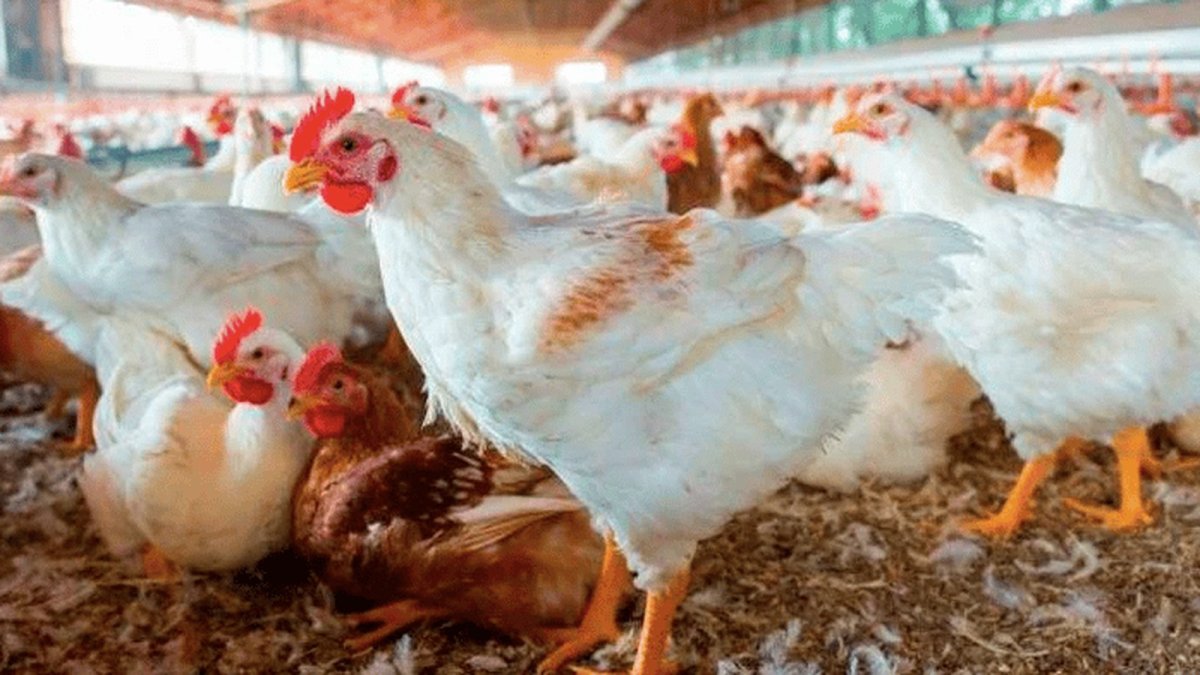
The humble chicken, a cornerstone of the Trinidadian kitchen, is becoming a luxury item. Across the country, from bustling Port of Spain markets to neighbourhood poultry depots in South Trinidad, the familiar sight of stacked trays of fresh cuts is giving way to bare refrigerated shelves and apologetic shrugs from vendors.
Chicken shortage hits Trinidad as US avian flu, heat squeeze supply
The humble chicken, a cornerstone of the Trinidadian kitchen, is becoming a luxury item. Across the country, from bustling Port of Spain markets to neighbourhood poultry depots in South Trinidad, the familiar sight of stacked trays of fresh cuts is giving way to bare refrigerated shelves and apologetic shrugs from vendors. Retail prices have rocketed to around TT$9 per pound, a significant jump that is forcing families to rethink their weekly menus and stretching household budgets to the breaking point. The convergence of a devastating avian flu outbreak in the United States and a searing local heatwave has created a perfect storm, exposing just how vulnerable our food supply chain has become.
Empty Shelves and Rising Prices at the Poultry Depot
The reality of the shortage is starkest at the point of purchase. Consumers who were accustomed to paying $8.00 per pound just weeks ago are now facing sticker shock as prices have climbed incrementally to $8.50 and now hover at $9.50 per pound in some outlets. The jump to TT$9 per pound as a baseline has become the new, unwelcome normal. Queues form early outside depots, with many shoppers leaving empty-handed after being told that the day's delivery has already been sold. The scarcity is not uniform, but it is widespread enough to cause palpable anxiety among shoppers who rely on chicken as their primary source of affordable protein. For many, the empty trays are more than an inconvenience; they are a symbol of a system under strain. The shortage has triggered a ripple effect of frustration and concern, with some families reporting that they are having to substitute chicken with more expensive alternatives like pork or beef, or turning to less desirable cuts of meat. The situation has also sparked reports of hoarding, as those who can afford to are buying up whatever is available, further exacerbating the problem for others. The simple act of preparing a Sunday lunch has become a logistical challenge.Why the Shortage Happened: A Transatlantic Squeeze
The current crisis is not the result of a single failure but a confluence of two major pressures. On the international front, the United States has been grappling with significant avian flu outbreaks that have decimated poultry flocks and reduced supply across the global market. Because Trinidad and Tobago relies heavily on imported chicken to supplement local production, this international shortfall has had a direct and immediate impact on our shelves. The reduced availability of imported birds has put immense pressure on the domestic market to fill the gap. Compounding the import problem is a severe local issue: the searing heat. According to the Trinidad Guardian, local production has been cut by roughly 20 per cent due to the extreme temperatures. The heat stress on birds reduces their growth rates and increases mortality, leading to a significant drop in the number of birds available for processing. This double blow—reduced imports and diminished local output—has created a supply deficit that the market simply cannot absorb without significant price increases. The 20 per cent production cut is a substantial figure, representing a major loss of product for a nation that consumes chicken as a dietary staple.Poultry Operators and Small Businesses Feel the Pinch
The impact of this shortage extends far beyond the consumer, hitting the very backbone of the industry: the poultry operators and small businesses. Poultry operators in South Trinidad are reporting that they are receiving up to 50 per cent fewer birds from their suppliers. This dramatic reduction in stock has forced many businesses to make difficult decisions just to stay afloat. Some have had to reduce staff hours, while others have been compelled to reduce their workforce entirely. In the most severe cases, some depots have been forced to close their doors temporarily, unable to operate profitably—or at all—with such a limited supply of product. These are not faceless corporations; they are family-owned businesses, small entrepreneurs, and local butchers who are integral to their communities. The loss of income is not just a business statistic; it is a threat to livelihoods and the local economy. A depot owner in San Fernando, for instance, might typically process and sell hundreds of birds a day. With a 50 per cent reduction, their revenue is halved, but their fixed costs—rent, utilities, and wages for remaining staff—remain the same. The pressure is immense, and the decision to cut staff or close doors is never taken lightly. It is a stark reminder that food security is not just about what is on the plate, but also about the people who get it there.Analysts Point to Deeper Structural Weaknesses
Beyond the immediate crisis of heat and avian flu, agricultural analyst Dr Donny Rogers, writing in the Trinidad Express, has argued that this shortage has exposed deeper structural weaknesses in the country's poultry industry. The reliance on imported chicken, combined with a domestic sector that is highly sensitive to environmental pressures, has created a fragile system. Dr Rogers’ analysis suggests that the current situation is not an isolated incident but a symptom of long-standing vulnerabilities that have been ignored for too long. These structural issues include a lack of investment in climate-resilient infrastructure for local farms, such as better ventilation and cooling systems to mitigate the effects of extreme heat. There is also the question of biosecurity and the need to strengthen local breeding stock to reduce dependence on foreign supplies. The fact that a heatwave can cut production by 20 per cent indicates a lack of preparedness for the realities of a changing climate. Dr Rogers’ commentary serves as a critical call to action, urging policymakers and industry stakeholders to look beyond the immediate need to restock shelves and address the fundamental flaws that make the nation so susceptible to these shocks.When Will the Shelves Normalise?
For the thousands of families currently struggling to find affordable chicken, the most pressing question is simple: when will this end? According to the Agriculture Minister, the situation should normalise within a few weeks. This cautious timeline offers a glimmer of hope, suggesting that the current crisis is expected to be temporary. The expectation is that as the extreme heat subsides and as international supply chains begin to recover from the avian flu outbreaks, the flow of chicken into the local market will gradually return to normal. However, the phrase "a few weeks" offers little comfort to a mother who needs to feed her children tonight. The minister's assurance is a projection, not a guarantee, and the timeline could easily be extended if the heat persists or if further outbreaks occur abroad. While the government is likely working to source alternative supplies and support local producers, the immediate reality is that consumers will have to continue to contend with high prices and limited availability for the near future. The promise of normalisation is welcome, but the patience of the public is wearing thin.What This Means for Families and Caribbean Food Security
This chicken shortage is more than a news story; it is a daily reality for families across Trinidad and Tobago, particularly those on lower incomes. Chicken is the most affordable and accessible source of protein for many, and a price increase of this magnitude has a disproportionate impact on the most vulnerable. A TT$1.50 increase per pound might seem small, but for a family that buys ten pounds a week, that is an extra TT$15—a significant sum in a tight budget. It forces difficult choices between protein, other groceries, and essential bills. This crisis also serves as a stark warning for the wider Caribbean region. It highlights the dangers of over-reliance on imported food and the fragility of supply chains in the face of global shocks and climate change. The situation in Trinidad is a microcosm of a larger regional vulnerability. It underscores the urgent need for Caribbean nations to invest in local agriculture, improve food security, and build resilience against the increasing frequency of extreme weather events and global health crises. The empty shelves in our poultry depots are not just a local inconvenience; they are a clear signal that the time for building a more self-sufficient and sustainable food system is now. The cost of inaction is measured not just in dollars, but in the security and well-being of our communities. By Sharon Sahatoo, Staff WriterThis article was produced with AI-assisted research and editorial support. Reporting is based on sources cited in the article.
What's Your Reaction?
 Like
0
Like
0
 Dislike
0
Dislike
0
 Love
0
Love
0
 Funny
0
Funny
0
 Wow
0
Wow
0
 Sad
0
Sad
0
 Angry
0
Angry
0

Sharon Sahatoo
Caribbean Correspondent at Global1.News. Based in Port of Spain, Trinidad, covering Caribbean politics, economy, energy, climate, and culture. Amplifying the voices and stories of the Caribbean region.












Comments (0)