
MND Local BCS: Stargazing, unchecked growth and an epic Baja 1000 hits the finish line
While the world looks up at the stars, the people of Baja California Sur (BCS) are watching their own horizons change. This tension, felt by families in the ejido and entrepreneurs in the tianguis, frames a story of opportunity and challenge that reaches far beyond the desert and sea.
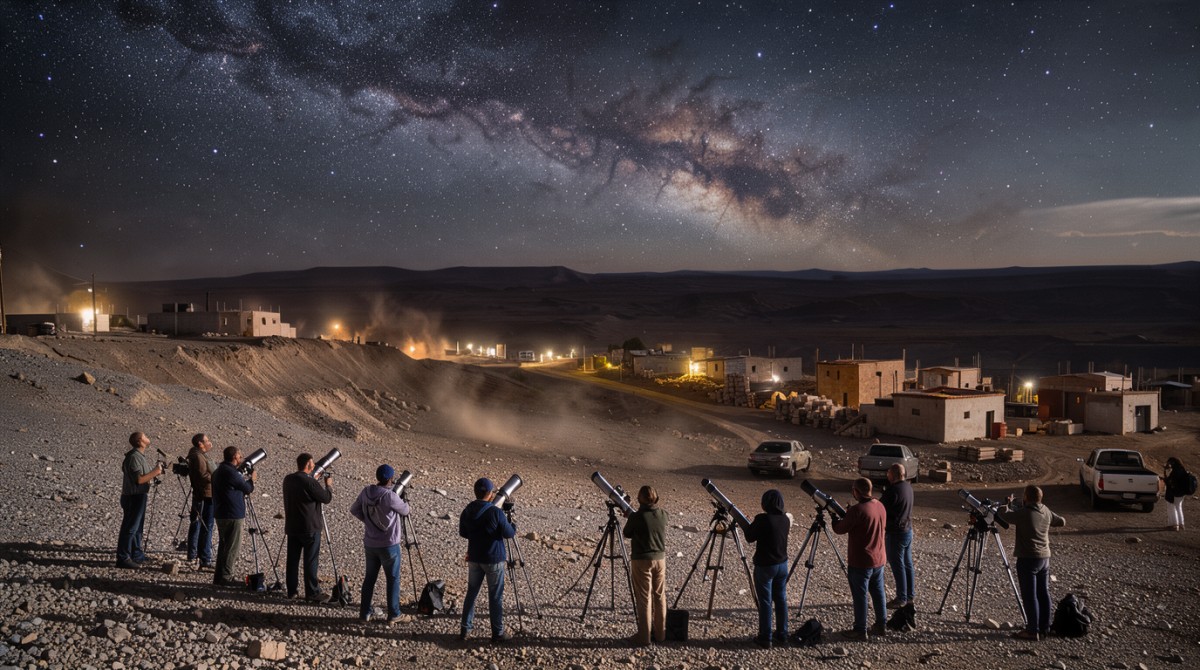
While the world looks up at the stars, the people of Baja California Sur (BCS) are watching their own horizons change. From the quiet night skies over Loreto to the bustling streets of El Tezal, the state finds itself at the crossroads of a growing tourism niche and an urban expansion that strains its limited resources. This tension, felt by families in the ejido and entrepreneurs in the tianguis, frames a story of opportunity and challenge that reaches far beyond the desert and sea.
Dark‑sky tourism takes root in BCS
Dark‑sky tourism—travelers seeking night skies untouched by city lights—has surged into a lucrative global market, estimated at billions of dollars each year. In BCS, the state’s low population density makes its horizons especially attractive. Since December 2023, the astronomical societies Mira in La Paz and Merak in Mulegé, together with the Baja California Sur Council for Science and Technology, have been cataloguing the quality of night skies across the region. Their latest survey identified more than seventy sites with visual magnitudes between 18 and 21, and seven locations surpassing the 21.5 threshold that qualifies a spot as a pristine “astronomical sanctuary.”
These measurements are not just numbers; they are invitations for local communities to welcome visitors who bring economic activity while respecting the natural environment. The data also help authorities protect these dark‑sky areas from future light‑pollution projects, a concern echoed by residents who fear that unchecked growth could dim the very stars that draw tourists.
The “Festival Astronómico Cielo Mágico” lights up Loreto
Against this backdrop, Loreto—one of the state’s original capitals and a designated Pueblo Mágico—will host the “Festival Astronómico Cielo Mágico” on December 11‑12. The two‑day event gathers students, amateur stargazers, and professional astronomers, including David Rojas from the San Pedro Mártir Observatory, Mira’s Miguel Ángel Norzagaray, and Merak’s Eduardo Sández Aguilar. Telescopes will be set up in the historic mountain community of San Javier, offering higher‑altitude views of Saturn, Jupiter, the Andromeda Galaxy and the Great Orion Nebula.
Beyond celestial observation, the festival features workshops, film screenings, visual exhibitions and astrophotography sessions that prepare participants for an amateur night‑photography contest. Free admission ensures that families from nearby ejidos and colonias can attend, turning the event into a community celebration that links scientific curiosity with local pride.
“Noche de las Estrellas” continues the tradition
Since 2009, the national “Noche de las Estrellas” (Night of the Stars) has traveled to more than 120 destinations, including La Paz, where the most recent edition attracted over twenty organizations on November 14. This long‑running fair demonstrates how dark‑sky tourism has become woven into the cultural fabric of BCS, offering a platform for local artisans and vendors to showcase their crafts alongside scientific displays.
The fair’s success underscores a broader trend: communities across the peninsula are learning to market their natural assets—whether a clear night sky or a pristine beach—while also confronting the pressures of rapid development that threaten those very assets.
Urban sprawl reshapes El Tezal
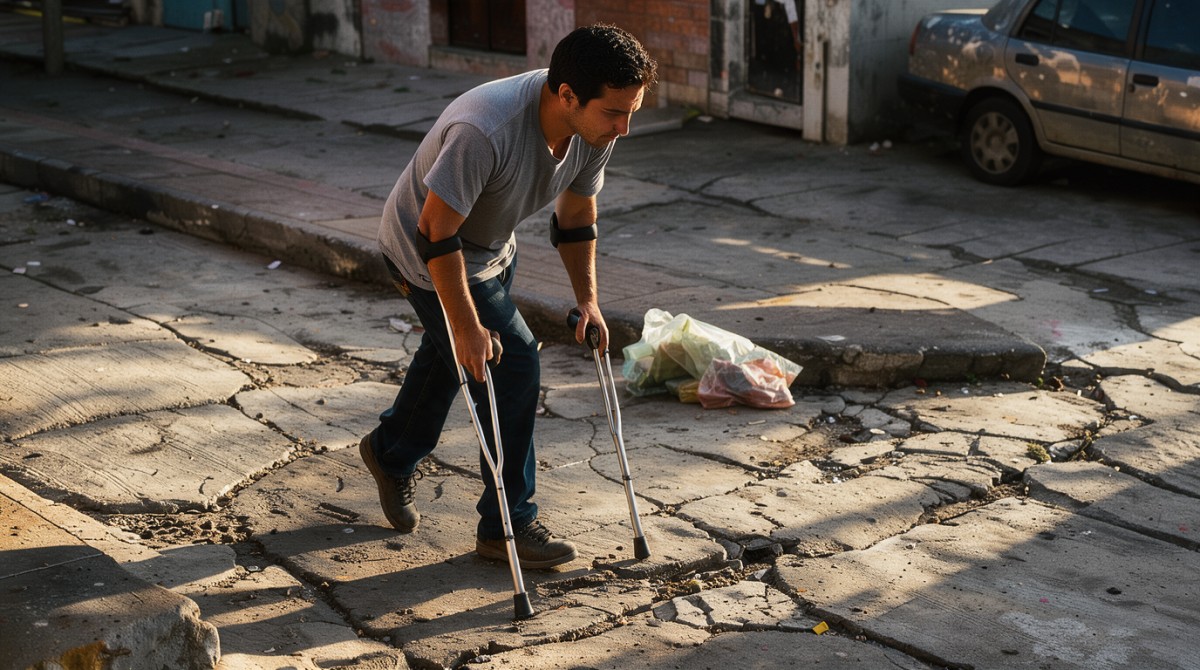
Just a short drive from the coastal bustle of Los Cabo, the district of El Tezal illustrates the other side of BCS’s growth story. Emerging about twenty years ago as a patchwork of gated communities and condo complexes, El Tezal has experienced extraordinary expansion since 2010. Cabo San Lucas itself nearly tripled in population between 2010 and 2020, rising from roughly 68,000 to over 200,000 residents. This boom has outpaced the development of essential services in El Tezal, leading to traffic bottlenecks, water scarcity, overloaded electrical grids, sewage problems and a shortage of parks, sidewalks and street lighting.
These infrastructure gaps affect daily life for ordinary families, who must navigate congested roads to reach schools or markets, and for local businesses that rely on reliable utilities. The district’s challenges are emblematic of many fast‑growing neighborhoods throughout Los Cabo, where the lure of new housing collides with the reality of limited municipal capacity.
Partial Urban Development Plan seeks order
In response, the Los Cabo City Council drafted a Partial Urban Development Plan for El Tezal in 2024. The plan, now open for public consultation from November 12 to December 2, aims to coordinate future growth with upgrades to water, electricity, sewage and public spaces. The first public hearing is scheduled for November 17, noon to two p.m., at the Cabo San Lucas Delegation offices in Plaza León Cota Collins.
Community input will be crucial. Residents who have long waited for better sidewalks and reliable lighting can voice their concerns, while developers can present proposals that align with the municipality’s vision for sustainable expansion. The outcome of this consultation could set a precedent for how other rapidly expanding districts across BCS manage growth without sacrificing quality of life.
The 59th SCORE Baja 1000: a race through the heart of BCS
While planners debate roads and lights, the 59th SCORE Baja 1000 roared through the peninsula, marking a historic “Cabo to Cabo” route that began and ended in Los Cabo. For the first time since the race’s inception in 1967, the entire event unfolded within BCS, highlighting the state’s rugged yet picturesque terrain. More than 121 Mexican drivers entered, reflecting a surge of local participation.
Ensenada native Alan Ampudia crossed the finish line first on elapsed time but received a post‑race timing penalty, moving him to second place. Bryce Menzies and co‑driver Andy McMillin claimed the overall and Trophy Class crowns, while Andy’s cousin Luke McMillin secured third after winning multiple Trophy Truck events earlier in the year. Menzies praised the mix of technical terrain and open stretches, saying the race felt like “racing through a forest” and captured the spirit of the region.
Economic ripple effects of the Baja 1000
The Baja 1000’s route through remote towns brings a temporary surge of visitors, filling hotels, restaurants and local markets. For families in colonias near the race’s start on Avenida Centenario in San José del Cabo, the event translates into extra income for vendors selling food, crafts and souvenirs. Yet the influx also tests local infrastructure—roads must accommodate race trucks and spectators, and water and electricity demand spikes.
These short‑term economic boosts highlight a broader question: how can BCS harness the tourism draw of events like the Baja 1000 and dark‑sky festivals while ensuring that the benefits reach ordinary workers and do not exacerbate existing service shortfalls? Balancing these interests will require coordinated policy, community advocacy and strategic investment.
Connecting stargazing and community development
The overlapping timelines of the Festival Astronómico Cielo Mágico and the Baja 1000 illustrate a unique convergence of cultural, scientific and sporting attractions in BCS. Both draw visitors from across Mexico and beyond, offering a platform for local entrepreneurs to showcase regional products—from handcrafted tortillas to artisanal jewelry—while also spotlighting the state’s natural assets.
By integrating dark‑sky tourism into broader development plans, municipalities like Los Cabo could leverage the festival’s draw to fund improvements in lighting that respect astronomical standards, water infrastructure that supports both residents and tourists, and educational programs that inspire the next generation of scientists from nearby ejidos.
Looking ahead: preserving the night sky
As BCS continues to grow, the preservation of its dark skies remains a central concern for astronomers and community leaders alike. The data collected by Mira and Merak provide a scientific baseline that can inform zoning decisions, ensuring that new housing projects incorporate lighting designs that minimize glare. Such measures protect the visibility of celestial objects that attract stargazers and support the emerging dark‑sky tourism market.
For families who gather on rooftops to watch the Orion Nebula or for students who attend workshops at the Loreto festival, the night sky is more than a backdrop—it is a shared heritage. Maintaining that heritage will require vigilance, public participation in planning processes, and a commitment to balance development with the natural environment.
Community voices and the path forward
Residents of El Tezal, participants in the public consultation, and visitors to the stargazing festivals all have a stake in BCS’s future. Their stories—from a mother waiting for a reliable water line to a young photographer capturing the Milky Way over San Javier—reflect the everyday realities behind the headlines. By listening to these voices, policymakers can craft solutions that honor both the people and the stars that define the peninsula.
In the months ahead, as the Baja 1000 dust settles and the Festival Astronómico Cielo Mágico lights up the desert night, Baja California Sur stands at a pivotal moment. The choices made now—about infrastructure, tourism, and environmental stewardship—will determine whether the state’s skies remain a magical canvas for generations to come, while its towns and colonias thrive in harmony with the growth that modern life demands.
This article was produced with AI-assisted research and editorial support. Reporting is based on the source material cited below. Sources: Mexico News Daily; mexiconewsdaily.com; Global1.News (18 November 2026).
By Rosa Martinez, Staff Writer
What's Your Reaction?
 Like
0
 Dislike
0
 Love
0
 Funny
0
 Wow
0
 Sad
0
 Angry
0
Latin America/Andes Correspondent at Global1.News. Based in Bogota, covering politics, environment, energy, and social movements across the Andean region. Passionate about environmental journalism and communities protecting their land.












Comments (0)