
César Gastélum Murdered Live on TikTok in Culiacán, Sinaloa
César Gastélum Murdered Live on TikTok in Culiacán, Sinaloa The murder of TikTok influencer César Gastélum has shaken families across Sinaloa and beyond. On Tuesday, August 4, 2026, around 8:15 p.m., the 25-year-old content creator was shot in the head while livestreaming from a KFC parking lot in Culiacán's Desarrollo Urbano Tres Ríos district. The attack happened just meters from the state prosecutor's office, leaving two companions unharmed but in shock and spreading...
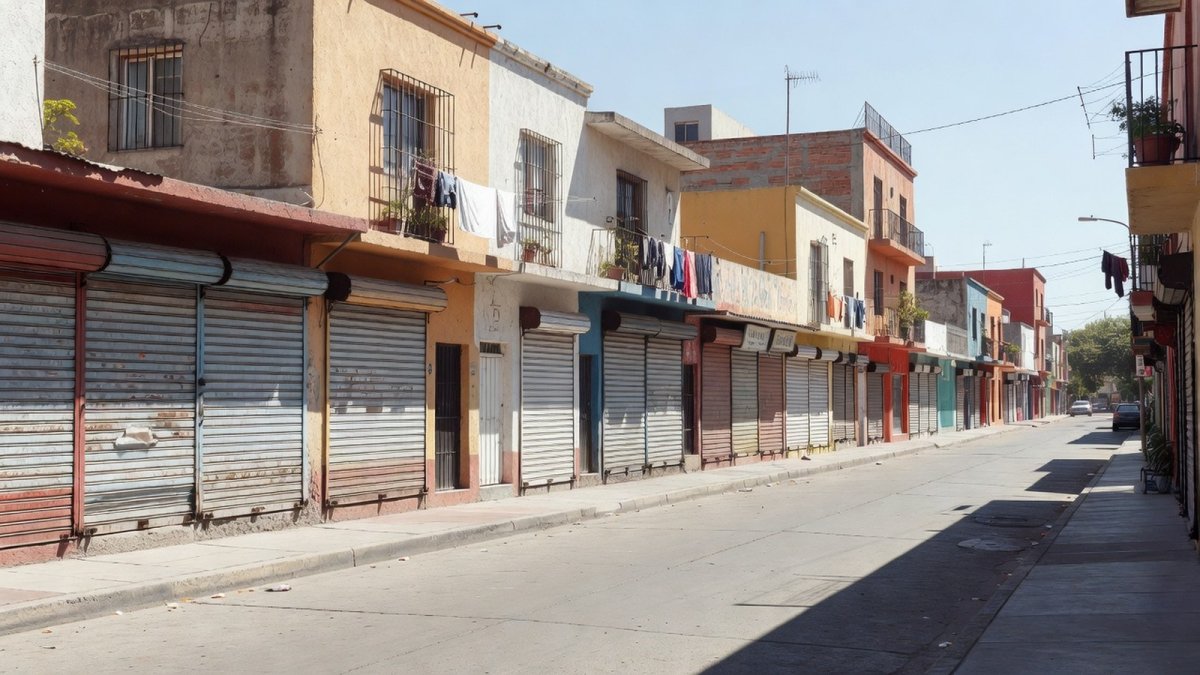
César Gastélum Murdered Live on TikTok in Culiacán, Sinaloa
The murder of TikTok influencer César Gastélum has shaken families across Sinaloa and beyond. On Tuesday, August 4, 2026, around 8:15 p.m., the 25-year-old content creator was shot in the head while livestreaming from a KFC parking lot in Culiacán's Desarrollo Urbano Tres Ríos district. The attack happened just meters from the state prosecutor's office, leaving two companions unharmed but in shock and spreading fear through communities already strained by ongoing violence.
Tags: César Gastélum, Culiacán murder, TikTok influencer killed, Claudia Sheinbaum mañanera, Sinaloa cartel violence, content creators Mexico, Tres Ríos shooting, Los Mayos Los Chapitos
The Killing in Culiacán
The scene unfolded in the parking lot along bulevar Enrique Sánchez Alonso near Josefa Ortiz de Domínguez. Gastélum was with two friends, all wearing bright orange jackets and backpacks like food delivery drivers. They were chatting and laughing during the live broadcast when a white Honda motorcycle with red and black markings pulled up.
One rider fired a short firearm at Gastélum's head before both sped away. One companion was heard saying "no, la moto, la moto" and "esos chavalos me dan miedo." The entire attack was captured on the companions' cameras and the restaurant's surveillance footage, which later showed the motorcycle had circled the area minutes earlier.
Personnel from the Sinaloa Fiscalía General del Estado, state police, and the Mexican Army quickly cordoned off the area. Forensic teams worked the scene, and Gastélum's body was taken to the Servicio Médico Forense for autopsy. The video spread rapidly online, amplifying the sense of vulnerability felt in Culiacán's colonias.
The AP footage shows his laughter turning to silence in an instant, a moment that has left the community reeling from the raw reality of violence unfolding live before their eyes. Neighbors who once felt these streets were familiar and safe now speak in hushed tones about the sudden terror that arrived on two wheels, in the middle of an ordinary Tuesday evening.
The Victim
César Gastélum ran the TikTok account @cesargastelum04, which had more than 577,000 followers and over 22.2 million likes. He also maintained around 116,000 Instagram followers and a YouTube channel with more than 16,200 subscribers. His content mixed comedy sketches featuring characters like "Profe Alducin" and "el Padre," music covers, and casual livestreams under the Kick alias "compasexor."
He often described himself as "belico," a term tied to certain subcultures. In December 2024 he posted at the grave of fellow creator Leovardo Aispuro, known as "El Gordo Peruci," writing that he would never forget the advice he received. This public connection highlighted the risks many young creators navigate in Sinaloa.
His death has hit hard among families who follow these creators for entertainment and connection. Many in rural communities and urban colonias see these young voices as part of daily life, making the loss feel personal.
Sheinbaum's Mañanera Response
At her Wednesday, August 5, 2026, mañanera in Palacio Nacional, President Claudia Sheinbaum confirmed the case was discussed at the federal security cabinet meeting. She stated that authorities are working to detain the perpetrators and determine the motive.
"Obviously the perpetrators and the mastermind have to be detained," she said. She added, "We must find out why this deplorable homicide occurred." In Spanish she noted the investigation aims to identify those responsible and the cause of the killing.
Sheinbaum urged the public to wait for full information before drawing conclusions. The Gabinete de Seguridad issued a statement on X describing the attack as a "direct aggression" and said it is cooperating with the Sinaloa FGE. One line of inquiry involves publications where Gastélum alluded to a faction of a criminal group. No arrests have been announced so far.
A War Between Two Factions
Sinaloa has endured intense fighting between Los Mayos and Los Chapitos factions of the Sinaloa Cartel since September 2024. Culiacán remains the epicenter, with bodies sometimes marked by faction signatures. Gastélum is the ninth content creator killed in the state since 2024, according to Mexico News Daily, with other reports citing at least ten or twelve influencers murdered in Culiacán amid the disputes.
Previous victims include Juan Carlos "El Chilango," Miguel Vivanco "El Jasper," Leovardo Aispuro "El Gordo Peruci," and others such as Rafael "El Peinadito" and Camilo Ochoa. The pattern has sparked fresh debate about the dangers facing digital creators who become entangled in local conflicts.
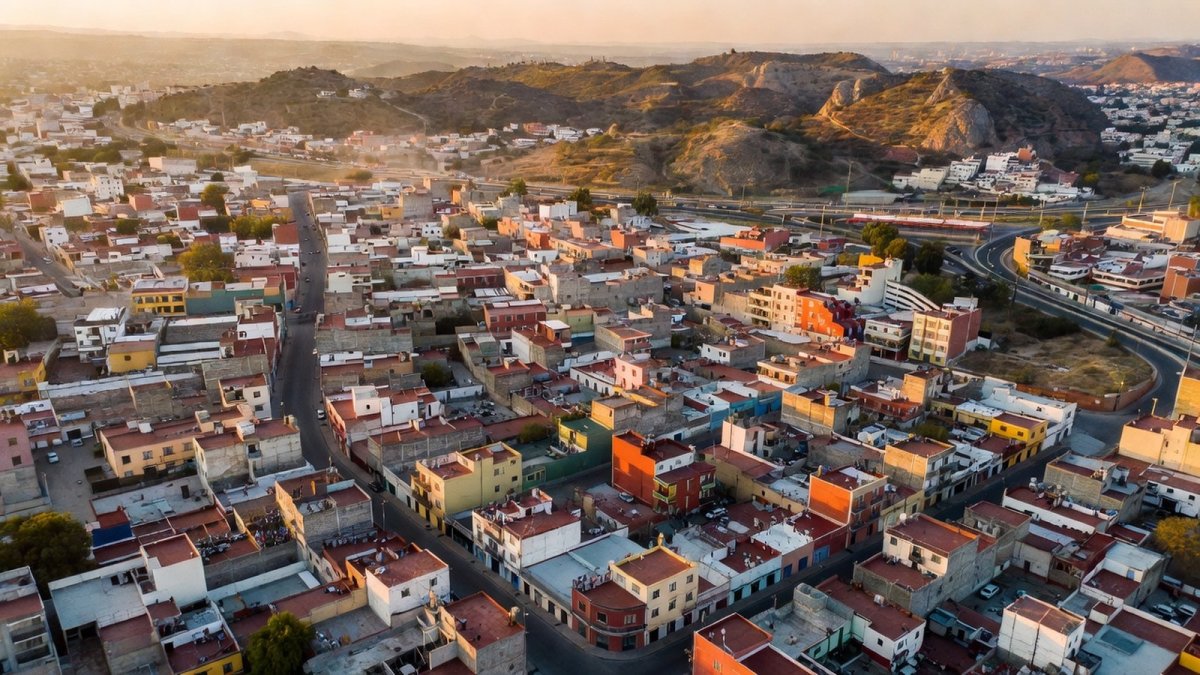
Ordinary residents in the city's neighborhoods feel the weight of this violence daily. Parents worry about young people drawn to online fame while living under the shadow of cartel disputes that disrupt schools, businesses, and family gatherings.
Since the conflict erupted in September 2024, daily life in Culiacán has grown heavy with uncertainty. Residents navigate streets where bodies sometimes appear marked with faction signatures, and young people who once dreamed of building audiences online now weigh every post against unseen risks. The war's toll on content creators is stark, with names like Leovardo Aispuro, Juan Carlos "El Chilango," and others echoing through local conversations about lost voices and unfinished stories.
Many of these creators embraced the "belico" style, drawing from cartel-culture themes in their comedy and music. Families in the colonias watch this pattern with deep sorrow, recognizing how the conflict has pulled in those simply trying to connect with audiences and earn a living, leaving behind grieving friends and followers who once laughed along with their videos.
A Pattern Beyond Sinaloa
The murder of beauty influencer Valeria Márquez in Jalisco in May 2025 revealed how violence reaches digital creators far beyond Sinaloa. Shot while livestreaming on TikTok at 23, her case prompted U.S. Treasury sanctions on five CJNG leaders, including Ricardo Ruiz Velasco, and followed the February 2026 killing of "El Mencho" by Mexican forces after a $15 million reward had been offered. This week the Trump administration announced rewards up to $102 million for eight other CJNG figures, signaling continued pressure on networks tied to such attacks.
The recent arrest of Ramón Ángel Álvarez Ayala, accused of ordering the 2025 assassination of Uruapan mayor Carlos Manzo, further illustrates the reach of these groups. Across Mexico, the pattern shows digital voices increasingly caught in crossfire, whether through direct aggression or the broader criminal dynamics that leave communities mourning young people who simply shared their lives online.
Impact on Mexican Communities
Families in Culiacán's colonias now watch livestreams with new caution. Young people who dream of building audiences on platforms like TikTok see the risks more clearly, especially in areas where cartel factions compete for control. Teachers and small business owners note how fear limits evening activities and community events.
The psychological toll of a murder captured live weighs on students and healthcare workers who treat trauma in local clinics. Indigenous communities and ejidos in surrounding areas feel the ripple effects through disrupted markets and travel.
Gastélum and his friends, dressed in the orange jackets of food-delivery drivers, represent the everyday hustle of young people in Culiacán who balance platform fame with regular work. Their presence in the KFC lot that evening highlights how ordinary routines can turn tragic, leaving families across the colonias to wonder how to protect sons and daughters who chase opportunities through social media. The live-streamed nature of the attack adds a profound weight, as neighbors replay the footage and grapple with the sudden intrusion of fear into spaces once filled with laughter and shared meals.
In response, the Sheinbaum government is advancing public discussions on young people's use of social media and AI, preparing legislation to address these dangers. Communities welcome this focus, seeing it as recognition that the psychological toll of such violence extends beyond any single case, touching homes where parents now caution their children about the risks of building public lives in uncertain times.
What to Watch For
Attention now turns to whether authorities can identify and arrest those responsible, including any mastermind. The security cabinet's next updates will be closely followed in Sinaloa and nationally. Sheinbaum's government continues facilitating debate on social media and artificial intelligence regulation ahead of possible legislation.
For Mexican families, the coming weeks will show how the investigation unfolds and whether broader security measures reach everyday neighborhoods. The conversation about protecting young creators while addressing root causes of violence remains urgent for communities seeking stability.
By Rosa Martinez, Staff Writer
This article was produced with AI-assisted research and editorial support. Reporting is based on sources cited in the article.
What's Your Reaction?
 Like
0
Like
0
 Dislike
0
Dislike
0
 Love
0
Love
0
 Funny
0
Funny
0
 Wow
0
Wow
0
 Sad
0
Sad
0
 Angry
0
Angry
0
Latin America/Andes Correspondent at Global1.News. Based in Bogota, covering politics, environment, energy, and social movements across the Andean region. Passionate about environmental journalism and communities protecting their land.










Comments (0)