
DOH Secretary Faces Graft Complaint Over TB Drug Freeze
Health advocates filed a graft complaint against DOH Secretary Jose Pujalte Jr. over an alleged freeze on P3.225 billion in TB medicine purchases, seeking his preventive suspension while the Ombudsman investigates.
Complaint Filed with the Ombudsman
Health advocates filed a graft complaint with the Office of the Ombudsman on Wednesday, August 6, 2026, against Health Secretary Jose Pujalte Jr. The Concerned Health Advocates for the Prevention and Control of Tuberculosis asked the Ombudsman to investigate the alleged freeze on P3.225 billion in tuberculosis medicine purchases and to impose preventive suspension on the secretary while the case is reviewed.
The group submitted the complaint after learning of a directive that halted procurement activities for 2026. According to the complaint, the action placed critical anti-TB drug supplies at risk of delay. The advocates cited the need for uninterrupted treatment access across the country.
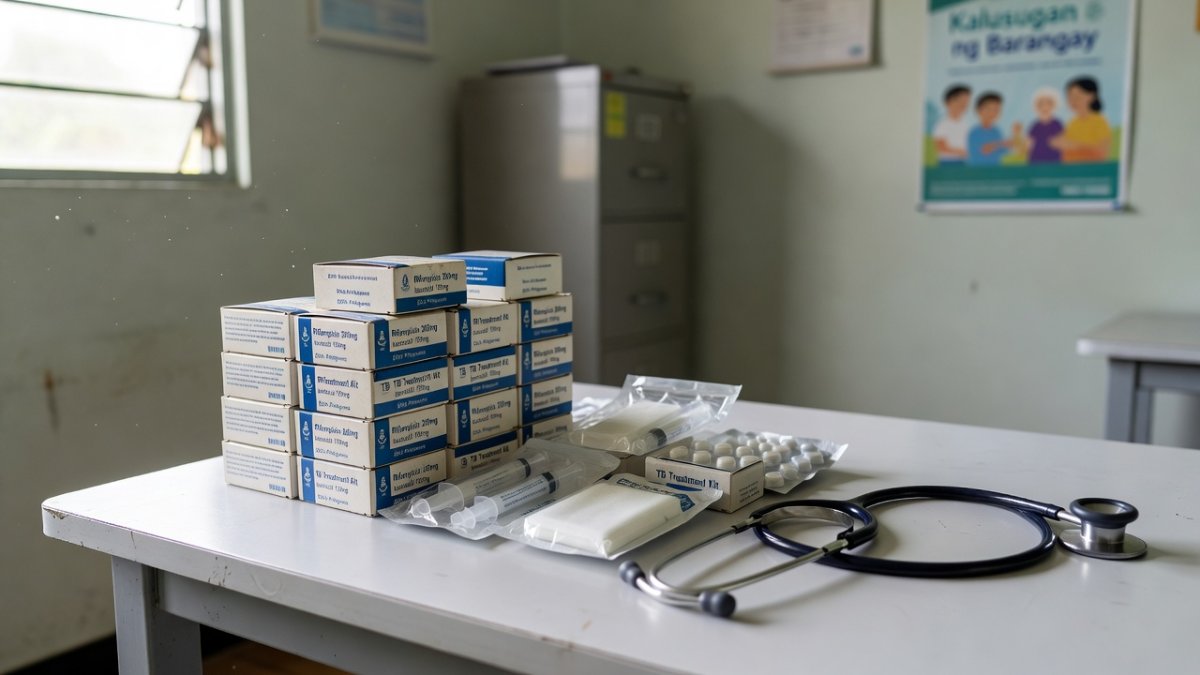
Barangay health workers in rural areas often track monthly medicine stocks for patients under directly observed treatment. Any interruption in supply can force families to travel farther or wait weeks for refills, according to the complaint's description of potential effects on ordinary households.
Continuous TB treatment remains essential because any break in the regimen can allow the disease to strengthen and spread within households and communities. Families across provinces depend on reliable supplies to complete their courses without added hardship or risk of complications that strain local clinics.
The Office of the Ombudsman serves as an independent body tasked with examining complaints against public officials for possible misconduct. It reviews evidence submitted by citizens and groups before determining whether further action such as investigation or temporary measures is warranted to protect public services.
The Alleged Freeze and the Timeline
The complaint states that Secretary Pujalte issued a directive on July 24 halting all 2026 tuberculosis commodity procurements, including the purchase of adult anti-TB medicines. The group noted that Pujalte had assumed the DOH post barely a month earlier, placing the timing of the directive under scrutiny.
Procurement of anti-TB medicines normally requires six to nine months from bidding to delivery, the advocates explained in their filing. They warned that any extended pause could create gaps in the national supply chain before the end of the current budget cycle.
Patients who receive daily doses through barangay health centers rely on steady deliveries scheduled months in advance. A delay at the central level can mean local health workers must ration remaining stocks or refer patients to provincial hospitals, the complaint noted.
The 2026 TB commodity procurements cover a wide range of items needed for national distribution through regional health offices and municipal centers. This broad scope means that any shift in the established six-to-nine month cycle can affect planning at every level of the health system serving ordinary Filipinos.
What the Complaint Alleges
Whistleblower accounts included in the complaint alleged that the procurement was intentionally stalled to push back the bidding timeline and favor a private supplier. The group presented these accounts as the basis for requesting a formal investigation into the July 24 directive.
The advocates emphasized that the six-to-nine-month procurement timeline leaves little room for postponement without affecting 2026 deliveries. They argued that any shift in schedule could leave treatment programs short of adult anti-TB medicines by early next year.
Family members who accompany patients to monthly check-ups at municipal health centers have described the stress of uncertain medicine availability. The complaint linked such uncertainty to the broader risk of interrupted treatment courses for thousands of Filipinos.
Pujalte's Response
Secretary Pujalte denied deliberately delaying the procurement, describing the process as an ongoing review. He stated that he was prepared to submit relevant documents to authorities investigating the complaint.
The secretary's position, as reported by Philstar, frames the July 24 directive as part of standard administrative review rather than a targeted halt. He has not released further public statements on the specific allegations contained in the complaint.
DOH staff at regional offices continue to monitor existing stocks while central procurement questions remain unresolved. Barangay health workers have reported fielding questions from patients about when the next batch of medicines will arrive, according to accounts referenced in the complaint.
The Graft Charges
The complaint asked the Ombudsman to investigate Pujalte for alleged grave misconduct, grave abuse of authority, and conduct prejudicial to the best interest of the service. The group also accused him of violating Sections 3(e) and 3(f) of Republic Act 3019, the Anti-Graft and Corrupt Practices Act, for alleged partiality, injury to the public, and refusal to perform official duties.
These provisions address acts that cause undue injury to the government or give unwarranted benefits to private parties, according to the complaint's legal framing. The advocates tied the alleged freeze directly to these sections without presenting additional evidence beyond the whistleblower accounts.
TB patients in urban poor communities often depend on free government medicines to complete their six-month treatment regimens. Interruptions traced to central procurement issues can increase the chance of drug-resistant cases, the complaint stated in its discussion of public impact.
Section 3(e) of RA 3019 generally covers causing undue injury to any party through manifest partiality or giving unwarranted benefits. Section 3(f) addresses neglect or refusal to perform official duties without justification, both framed in the complaint as relevant to the handling of public resources.
Legal Questions Over the Fund Hold
The complainants argued that Pujalte had no authority to unilaterally place the Congress-approved procurement funds on hold. They cited Article VI, Section 29(1) of the Constitution and Section 74 of the fiscal year 2026 National Expenditure Program as the legal basis for their position.
These provisions, the group maintained, require that appropriated funds be used for their intended purposes unless Congress itself acts to change them. The complaint presented the July 24 directive as an overreach beyond the secretary's administrative powers.
Local health units plan their annual activities around the release of national commodities. When central funds face questions, barangay workers must adjust outreach schedules and patient counseling sessions, the advocates noted in their filing.
Congress-appropriated funds are normally released through established executive processes that follow the purposes set in the national budget. An executive hold on such spending can raise questions about separation of powers because the Constitution assigns appropriation authority to the legislative branch while execution rests with the executive.
What Happens Next
The Office of the Ombudsman will now determine whether to proceed with a formal investigation into the complaint. Under its rules, the office may request additional documents from the Department of Health and schedule hearings before deciding on any preventive suspension.
Preventive suspension, if granted, would temporarily remove the secretary from office while the case is heard. The complaint asked for this measure to prevent further alleged interference with the 2026 procurement schedule.
National TB treatment programs serve hundreds of thousands of Filipinos each year through a network of municipal and barangay facilities. Any prolonged uncertainty over medicine deliveries can affect daily operations for health workers who record patient adherence and report stock levels to regional offices, the advocates stated.
The Ombudsman's preliminary inquiry typically begins with an assessment of the complaint's sufficiency and may include gathering initial responses from the respondent. Possible outcomes range from dismissal for lack of merit to the start of a full investigation or issuance of preventive measures if warranted by the evidence presented.
By Bella Reyes, Staff Writer
This article was produced with AI-assisted research and editorial support. Reporting is based on sources cited in the article.
What's Your Reaction?
 Like
0
Like
0
 Dislike
0
Dislike
0
 Love
0
Love
0
 Funny
0
Funny
0
 Wow
0
Wow
0
 Sad
0
Sad
0
 Angry
0
Angry
0

Philippines/Southeast Asia Correspondent at Global1.News. Manila-based journalist covering Philippine politics, environment, maritime security, and social issues. Passionate about marine conservation and the communities protecting the Philippines' natural heritage.












Comments (0)