
Cape Town Ballet Show Inspires Young African Dancers
Africa's biggest ballet stage returned to Cape Town this week as 115 young dancers competed at the 13th South African International Ballet Competition, where dedication, family sacrifice and a dream of broadening access to classical ballet took centre stage.
The 13th South African International Ballet Competition brought 115 young dancers to Cape Town's Artscape Theatre this week, Africa's biggest ballet stage. This gathering marks a new generation of African dancers pursuing classical ballet, drawing from the continent's deep dance roots that stretch from mbalax rhythms in Dakar to the disciplined forms now taking root in Johannesburg and beyond. Young performers are claiming space in an art once viewed as distant from African soil.
Cape Town's Ballet Stage Shines as Africa's Young Dancers Take Centre Stage
Cape Town, South Africa — The 13th South African International Ballet Competition wrapped up at the Artscape Opera House after three days of intense performances that showcased talent from across South Africa and neighboring countries. Organizers described the event as the largest ballet competition in Africa, and the official site called it the foremost classical ballet competition on the continent. The gathering matters because it opens doors for young African dancers to gain international exposure while building local pride in classical forms that now sit alongside mbalax, highlife, and amapiano in the continent's creative mix.
Africa's Biggest Ballet Stage Returns to Cape Town
The 13th South African International Ballet Competition ran from 4-6 August at the Artscape Opera House in Cape Town. One hundred fifteen young ballet dancers from across South Africa and beyond took part in the event. Artscape called it the largest ballet competition in Africa, while the official site labeled it the foremost classical ballet competition on the continent.
Founder Dirk Badenhorst, Artistic Director of Mzansi Ballet, created the competition to give young dancers a professional platform. The event features three divisions: Scholar for ages 9-12, Junior for ages 13-16, and Senior for ages 17-22. Dancers competed in classical solos, contemporary solos, and pas de deux sections.
A Johannesburg regional round took place first, followed by semi-finals and finals at the Artscape Opera House. This structure allows dancers from different provinces to advance without traveling long distances at the start. Badenhorst has long worked to connect South African ballet with global standards through Mzansi Ballet.
The competition earned acceptance into the International Federation of Ballet Competitions, a step that places South Africa among established international events. Badenhorst noted the significance of this membership for the continent's growing ballet scene. The structure mirrors how African film festivals like FESPACO have built global networks while staying rooted locally.
Young dancers traveled from cities and towns to reach Cape Town for the finals. The Artscape venue provided a professional setting with proper stages and lighting that many participants rarely access at home. This access helps level the field for talent outside major urban centers.
Badenhorst has emphasized that the competition serves as both a showcase and a training ground. Participants receive feedback from judges that shapes their future training. The event continues to grow each year as more families see ballet as a viable path for their children.
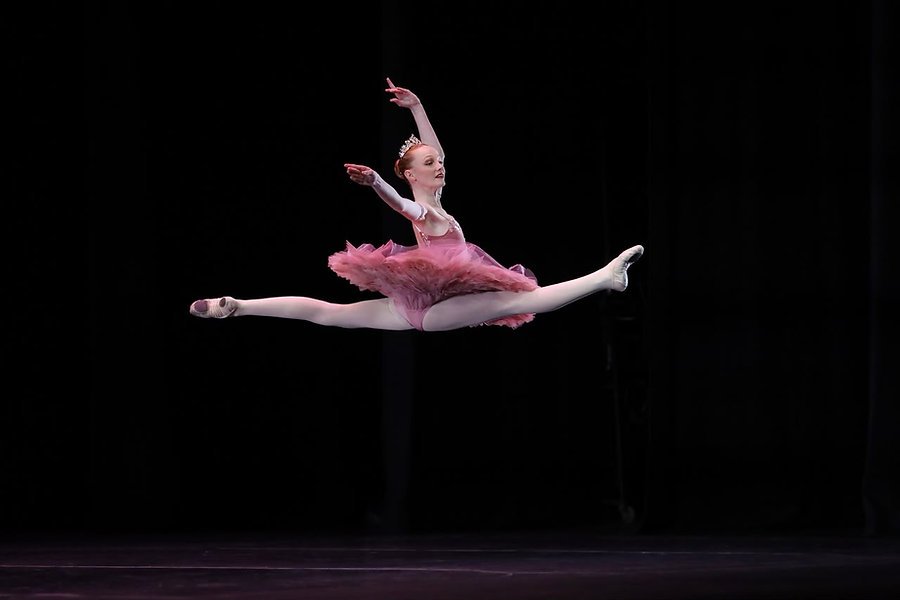
A Jury of International Masters
The international adjudication panel brought together experts from several countries. Sergey Usanov, a Kazakhstan-born teacher, coach, and adjudicator, served on the panel. Callum Hastie, an Australian who serves as Ballet Master of the Youth Company at the Vienna State Opera Ballet Academy, also judged; he previously danced in South Africa, Australia, and Germany.
Kate Coyne from the United Kingdom holds the position of Artistic Director and Professional Training Lead at London's Central School of Ballet. Lorelei Bair, an American teacher and coach known for mentoring young dancers, joined the panel as well. Igor Kolb from Belarus, a former Principal Dancer of the Mariinsky Ballet, brought his experience from one of the world's most prestigious companies.
Ariel Mejic completed the international roster alongside South African-born Thoriso Magongwa. Magongwa has worked as a dancer, choreographer, and ballet master across a career spanning more than two decades. The mix of judges gave participants direct contact with professionals who shape ballet training worldwide.
Competing in front of such a panel matters for African dancers because it opens pathways to further study and contracts abroad. Many young performers from the continent lack regular access to this level of critique. The presence of these judges signals that African ballet talent now receives serious international attention.
Thoriso Magongwa's participation as a South African judge provided local context while maintaining global standards. His twenty-plus years in the field offered perspective on how ballet has evolved in the country since the end of apartheid. Dancers could see a career path that stays connected to their home continent.
The jury's diversity reflects ballet's own spread across continents. Dancers from townships and suburbs performed the same repertoire as students from established academies. This exposure helps dismantle old notions that classical ballet belongs only to European traditions.
Jayden Samuels: Hard Work Rewarded
Fifteen-year-old Jayden Samuels approached the competition as the reward for countless hours of disciplined practice. He spoke about the satisfaction that comes from sustained effort. His experience reflects what many young African dancers face when they commit to ballet without nearby professional facilities.
Jayden Samuels said, "I just love the whole process of working hard on something and putting so much energy and effort into something and reaping all the rewards that it came with." That mindset echoes the values many African families instill in their children through music, sports, and academics. Ballet simply adds another arena for the same discipline.
Dedication in ballet demands early mornings, weekend rehearsals, and financial sacrifices from parents. Families across South Africa often stretch budgets to cover lessons, shoes, and travel. Jayden's story shows how those investments can produce visible results on a major stage.
Young dancers like Jayden balance schoolwork with training, often missing social events that their peers attend. The competition gave him a concrete goal that made the daily grind worthwhile. Such milestones help sustain motivation over years of training.
The rewards extend beyond medals. Participants gain performance experience, judge feedback, and connections that can lead to scholarships. For African dancers, these opportunities can open doors that previously required moving to Europe or the United States.
Jayden's approach demonstrates that ballet success in Africa grows from the same persistence that fuels other creative fields on the continent. Whether in Nollywood productions or amapiano dance crews, consistent effort remains the common thread.
Oratile Mpitso: Dancing Under the Open Sky
Thirteen-year-old Oratile Mpitso discovered ballet while watching other children dance at nursery school. Her father made sacrifices so she could attend a school where ballet was taught. That decision set her on a path that now includes national-level competition.
Oratile said, "I told my parents, my brother is speaking English, I'd like to go to a school like that. My dad sacrificed some things so he can get me there and I saw other kids do ballet at the nursery school so that's what got me into ballet and I just fell in love with it." Her words capture the blend of aspiration and opportunity that drives many African families.
Without a professional studio or ballet barres at home, Oratile practices outdoors on the grass. She trains in open spaces because her family lacks indoor facilities. This resourceful approach mirrors how many young African artists create work with limited resources.
Her mother, Portia Mpitso, described the scene: "So whenever she does her dance outside, because we don't have a studio, we don't have any bars where she can do her training, she will do it outside by the grass. So the other kids will watch her by the fence and admire what she does. It is a blessing, I don't want to lie. It is a blessing." The neighborhood children become an informal audience that spreads inspiration.
Oratile's story highlights how ballet can take root in communities far from traditional academies. Her outdoor practice turns a limitation into a form of community engagement. Neighbors see discipline and beauty in an art they might otherwise view as foreign.
The power of this example reaches beyond one family. When children watch Oratile dance by the fence, they encounter ballet as something accessible rather than elite. Such moments help shift perceptions across townships and rural areas where classical dance has rarely appeared.
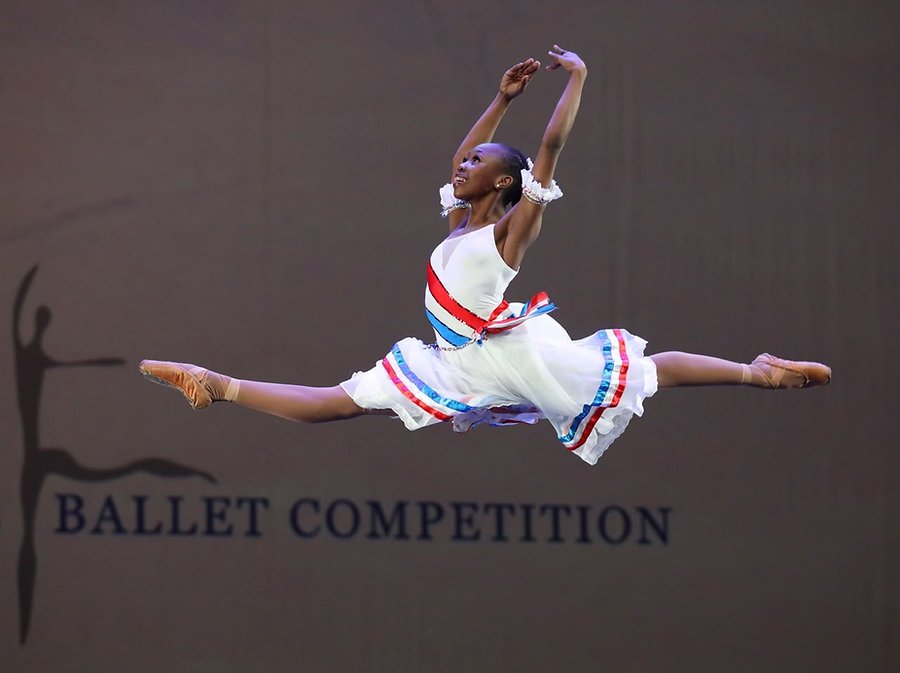
Broadening Access to Ballet Across South Africa
Organizers say the competition continues to broaden access to ballet and develops a more diverse generation of performers. Ballet has historically been seen as an elite European art form in South Africa. Programs like the SAIBC are changing that perception through deliberate outreach.
The SAIBC website features sections on "Training Teachers in Townships" and "Insider Conversations." These initiatives bring ballet instruction into communities that previously had little exposure. Teachers receive tools to start classes in local schools and community centers.
The wider African creative economy benefits when ballet joins established dance traditions. From Senegal's contemporary dance companies to Burkina Faso's innovative troupes, the continent already supports diverse movement forms. Ballet now adds another layer to this landscape.
Developing a more diverse generation of performers requires sustained investment in training and performance opportunities. The competition provides one such platform each year. Dancers who advance gain visibility that can attract further support from schools and sponsors.
South African ballet programs increasingly partner with township schools to identify talent early. This approach mirrors successful models in music and film across the continent. Early exposure helps children see ballet as a realistic option rather than an impossible dream.
The competition's outreach work aligns with broader efforts to decolonize classical arts in Africa. By training teachers locally and hosting events in major venues, organizers create pathways that keep talent connected to their communities while reaching international standards.
Raising South Africa's Profile on the World Stage
The competition raises South Africa's profile on the international stage through its acceptance into the International Federation of Ballet Competitions. This membership places the event alongside long-established competitions in Europe and North America. Dirk Badenhorst said, "It is such a great honour to be invited to be part of this exclusive club of international ballet competitions and we celebrate this with the 13th International Ballet Competition."
Tickets for Cape Town audiences ranged from R150 to R285. The pricing kept the event accessible to local families while covering production costs. Audiences filled the Artscape Opera House to watch the next generation of dancers perform.
International recognition brings potential ballet tourism to South Africa. Visitors from other African countries and beyond may combine attendance with visits to cultural sites in Cape Town and Johannesburg. This economic dimension supports the wider arts sector.
The federation membership also means South African dancers can qualify for other international events. Pathways open for further training and professional contracts. Such connections strengthen the continent's overall ballet infrastructure over time.
Badenhorst's leadership through Mzansi Ballet has positioned the competition as a bridge between local talent and global networks. The 13th edition marked a milestone in that ongoing effort. Future editions will build on this foundation.
South Africa's growing ballet presence adds to the continent's cultural exports. Just as Nollywood films and Afrobeats music have gained worldwide audiences, ballet offers another avenue for African expression on international stages.
What to Watch For
The next steps for the young dancers who competed include regional rounds for future editions and the national competition next year. Many participants will use judge feedback to refine their technique over the coming months. Some may receive scholarship offers from international schools.
African ballet continues to grow across the continent. Success stories such as Burkina Faso's Vibra-Signe deaf dancers and South Africa's Pantsula crews show how movement traditions adapt and thrive locally. Senegal's vibrant dance scene, from traditional sabar to contemporary companies, provides further models of innovation.
Parents and young people across Africa can see ballet as a path worth pursuing. The discipline required builds skills that transfer to many fields. The competition demonstrates that talent combined with consistent effort can overcome resource limitations.
Future editions of the SAIBC will likely expand outreach programs in more townships and neighboring countries. Increased participation from across the continent would strengthen the event's claim as Africa's premier ballet competition. Organizers continue to seek partnerships that support emerging dancers.
The growth of ballet in Africa reflects the continent's broader cultural dynamism. Young dancers are not abandoning local traditions; they are adding classical technique to an already rich movement vocabulary. This synthesis creates new possibilities for expression and exchange.
Challenges remain, including access to proper facilities and consistent funding. Yet the determination shown by dancers like Jayden Samuels and Oratile Mpitso suggests these obstacles will not stop progress. The 13th edition proved that African ballet has both depth and momentum.
By Amara Diop, Staff Writer
By Amara Diop, Staff Writer
This article was produced with AI-assisted research and editorial support. Reporting is based on sources cited in the article.
What's Your Reaction?
 Like
0
Like
0
 Dislike
0
Dislike
0
 Love
0
Love
0
 Funny
0
Funny
0
 Wow
0
Wow
0
 Sad
0
Sad
0
 Angry
0
Angry
0

West Africa/Sahel Correspondent at Global1.News. Dakar-based journalist covering politics, security, climate, and development across Francophone and Anglophone West Africa. Tells the stories of a region undergoing profound transformation.














Comments (0)