
Nigeria's Kano Mass Wedding Blends Tradition with Economic Realities
In Kano, 1,500 couples recently gathered for a government-backed mass wedding that highlights both deep-rooted Muslim traditions and the harsh economic pressures facing families across northern Nigeria. The state covered dowries, medical checks, and household essentials at a total cost of 1.5 billion naira, offering a lifeline to low-income residents who could not otherwise afford to marry.
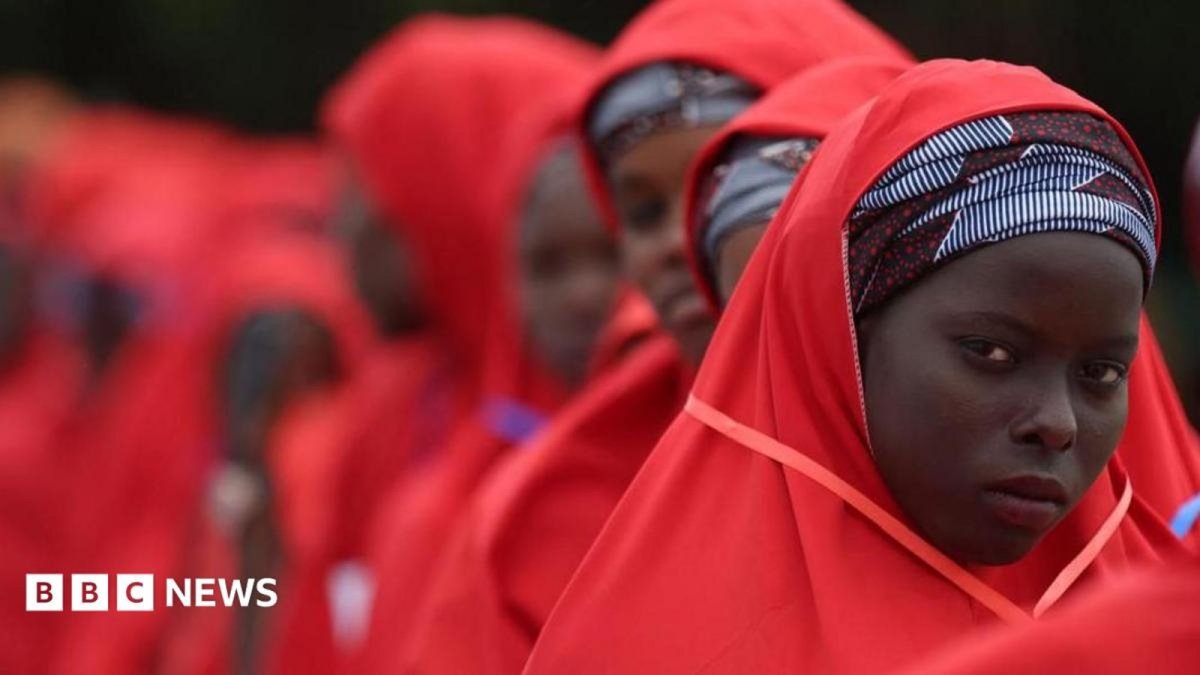
In Kano, 1,500 couples recently gathered for a government-backed mass wedding that highlights both deep-rooted Muslim traditions and the harsh economic pressures facing families across northern Nigeria. The state covered dowries, medical checks, and household essentials at a total cost of 1.5 billion naira, offering a lifeline to low-income residents who could not otherwise afford to marry. This blend of cultural ceremony and practical support reveals how one region is adapting longstanding customs to modern financial realities.
The Colour of Celebration in Kano
In Kano, northern Nigeria, 1,500 couples took part in a mass wedding over the past week, filling the palace of the Emir with brides dressed in red hijabs and grooms wearing matching red hats and white robes. The Friday ceremony reflected the city's deep Muslim traditions, where the Emir serves as the traditional leader guiding community events. Saturday brought a wedding breakfast hosted by Governor Abba Kabir Yusuf, marking the official close of the government-supported gathering.
The event drew from longstanding practices of collective celebration that echo across West African communities, where families and neighbors often pool resources to mark marriages. Kano's approach stands out for its scale, yet it remains rooted in the same emphasis on shared responsibility that supports new households in many regional cultures.
A Scheme Born of Economic Hardship
The Kano state government launched the mass wedding program in 2012 under a previous governor, beginning with 100 couples who were mainly widows and divorcees. Each year the numbers have grown, and this round included polygamous Muslim marriages permitted under local customs. The state spent 1.5 billion naira, roughly one million dollars, to cover costs that many low-income residents cannot meet on their own.
Five thousand couples applied this year, showing the depth of need in a region where marriage expenses often exceed what families can gather. The program now reaches beyond its original focus, providing a structured path for those facing financial barriers while operating within Kano's majority Muslim setting where Sharia law runs alongside secular rules.
In northern Nigeria, where many households rely on informal trading and small-scale agriculture, the rising cost of everyday essentials has made traditional wedding preparations feel out of reach for ordinary families. Inflation has steadily eroded purchasing power, pushing up prices for food, transport, and household goods that once formed the backbone of marriage celebrations. Young adults who might once have saved gradually now find themselves competing with immediate survival needs, leaving little room for the dowry, clothing, and communal feasts expected in local custom.
Across the region, unemployment among youth compounds these pressures, as stable jobs remain scarce and many turn to daily wage work or petty commerce. Families that once pooled resources across extended networks now struggle to stretch limited incomes, making state-supported initiatives a practical response to economic strain rather than a luxury. In this environment, assistance with start-up capital and basic furnishings offers a tangible bridge toward household formation that might otherwise be delayed for years.
How the Hisbah Separates Lovers from Fraudsters
The Hisbah, Kano's Islamic police force, oversees the entire selection process and conducts the key task of vetting each pair. Deputy commander-general Mujahid Aminudeen explained that any couple showing signs of something dubious or fishy is disqualified. Medical examinations check for HIV, hepatitis, pregnancy, and genotype compatibility, with some applicants removed after altering test results.
One bride tried to present her brother as the groom, while an already-married couple attempted to register as an intending pair. Aminudeen stressed that the process remains free from start to finish, covering selection, medical checks, and the goods provided to each couple. Reports of people asking for bribes surfaced, yet those making the requests were not actual Hisbah staff.
The vetting carried out by Kano’s Islamic police reflects the city’s dual legal framework, where Sharia principles operate alongside secular statutes to safeguard community welfare. Officers examine documents, interview families, and confirm identities to ensure participants meet eligibility rules, a process that weeds out attempts to exploit the scheme through false identities or misrepresented relationships. This careful screening protects public funds while upholding the cultural expectation that marriage rests on genuine consent and family involvement.
Medical examinations for conditions such as HIV, hepatitis, and genotype compatibility serve both individual couples and wider public health goals. By identifying risks early, the checks reduce potential transmission within new households and encourage informed decisions about children. In a society where arranged and polygamous unions remain common, such precautions reinforce the Hisbah’s role as a guardian of both spiritual values and practical well-being, maintaining trust in a program that blends faith-based oversight with state resources.
What the Package Includes
Each couple receives a dowry of 100,000 naira for the bride plus another 100,000 naira as start-up capital for small-scale business. The state also supplies beds, mattresses, bedsheets, pillows, furniture, and food supplies, with the total support per couple reaching about one million naira. These items aim to give new households a practical beginning without the heavy debt that often follows traditional weddings.
The furniture and supplies directly address the immediate needs of setting up a home, a form of community-backed assistance that parallels the collective contributions seen in many West African marriage customs where extended families help ease the transition for young couples.
Desperation in a Struggling Economy
Local journalist Yusuf Ali Abdallah noted that Nigeria's difficult economy drives much of the desperation, as marriage requires spending money at a time when prospects remain limited. This pressure leads some to seek shortcuts onto the list, prompting the Hisbah to maintain strict checks. Aminudeen confirmed that the government covers every step so no payments are required from applicants.
The combination of high living costs and limited opportunities has turned the mass wedding into a vital lifeline for many, yet it also reveals how economic strain can test the boundaries of trust within the application process. Officials continue to refine vetting to protect the program's integrity.
For many young people in Kano, the inability to meet marriage costs carries heavy social weight, as families view wedlock as a key marker of adulthood and stability. When economic conditions tighten, the gap between expectation and reality can create quiet anxiety, with parents worrying about unmarried daughters and sons feeling unable to establish independent homes. This pressure often intersects with broader unemployment, turning a cultural milestone into a source of stress rather than celebration.
Schemes that cover dowry and basic supplies therefore function as lifelines, yet they also attract those willing to bend rules for quick gain. Attempts to submit altered medical results or misrepresent relationships reveal how financial hardship can erode ethical boundaries. In West African contexts where communal support has long eased such burdens, these incidents underscore the need for robust safeguards that preserve the dignity of genuine participants while deterring exploitation.
Voices of the Newlyweds
Rabiu Yusuf, a 43-year-old clothes trader, married Aisha Auwal, a customer who had visited his shop. Already father to five children with his first wife, he described himself as very happy and eager to begin a new life. The union fits within the polygamous framework allowed in the region and supported by the scheme.
Amina Alhassan, 24, wed 40-year-old Nura Abdullahi in a match arranged by their families in Dambatta village. She praised the Kano government for making everything free, noting that without the program many people could not afford to marry given the high cost of living. Her comments highlight how the support reaches ordinary residents who would otherwise delay or forgo the step.
What This Means Across West Africa
Kano's initiative illustrates how governments can step in to ease marriage costs that weigh heavily on low-income families, a challenge familiar in many parts of West Africa where community and family obligations shape these milestones. The emphasis on medical screening and honest pairing adds a layer of protection that strengthens the foundation of new households.
By linking traditional leadership, state resources, and careful oversight, the program offers a model that respects cultural expectations while addressing modern economic pressures. Residents in Kano and beyond continue to watch how such efforts balance generosity with safeguards against misuse.
Across West Africa, marriage expenses have traditionally been shared through family contributions, village collections, and mutual aid associations that lighten the load for individual households. In countries facing similar economic headwinds, governments and community leaders have experimented with varying degrees of support, from subsidised ceremonies to encouragement of simpler rites. Kano’s approach illustrates one way state resources can complement longstanding customs without fully replacing them.
Senegal and neighbouring nations might observe how the integration of religious authorities with administrative checks helps maintain cultural integrity while addressing fraud. The balance struck in Kano—respecting polygamous traditions and family-arranged matches while enforcing health standards—offers a model for blending tradition with modest state intervention. Such examples invite reflection on how other societies can ease financial barriers to marriage without undermining the communal values that have long sustained family formation in the region.
By Amara Diop, Staff WriterThis article was produced with AI-assisted research and editorial support. Sources: BBC News, August 2026.
What's Your Reaction?
 Like
0
Like
0
 Dislike
0
Dislike
0
 Love
0
Love
0
 Funny
0
Funny
0
 Wow
0
Wow
0
 Sad
0
Sad
0
 Angry
0
Angry
0

West Africa/Sahel Correspondent at Global1.News. Dakar-based journalist covering politics, security, climate, and development across Francophone and Anglophone West Africa. Tells the stories of a region undergoing profound transformation.












Comments (0)