
Canada Suspends U.S. Trade Talks, Prepares Dollar-for-Dollar Retaliation
In a recent CBC News report, federal ministers were expected to announce Canada's response to new U.S. tariffs on Tuesday, after trade talks in Washington collapsed on Friday evening. The breakdown has plunged the bilateral relationship into its most volatile chapter in decades, leaving workers and businesses on both sides of the border waiting for details on countermeasures and support packages.
In a recent CBC News report, federal ministers were expected to announce Canada's response to new U.S. tariffs on Tuesday, after trade talks in Washington collapsed on Friday evening. The breakdown has plunged the bilateral relationship into its most volatile chapter in decades, leaving workers and businesses on both sides of the border waiting for details on countermeasures and support packages. For Canadians, the stakes are immediate and personal, touching everything from the price of groceries to the security of manufacturing jobs in Ontario and Quebec.
Canada Suspends Trade Talks, Prepares Dollar-for-Dollar Retaliation as U.S. Tariffs Take Effect
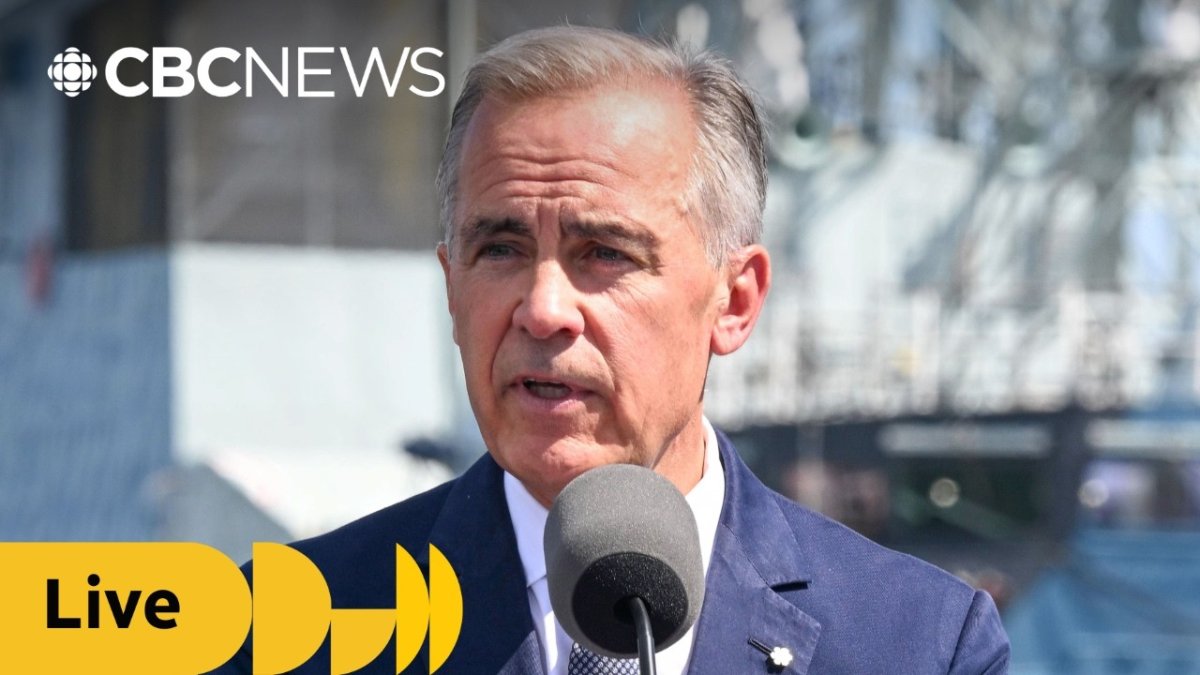
Ottawa, Ontario – Tuesday — Prime Minister Mark Carney suspended bilateral trade negotiations with the United States on Friday evening after three days of talks in Washington, instructing Canada's negotiating team to return to Ottawa. Carney said the U.S. had introduced last-minute changes to the proposed deal that compromised Canada's sovereignty, and he sent a last-minute email rejecting the agreement. The collapse set the stage for a weekend of escalating economic hostilities, with the United States imposing 50 per cent tariffs on roughly $20 billion worth of Canadian goods.
The Story — A Weekend of Escalation
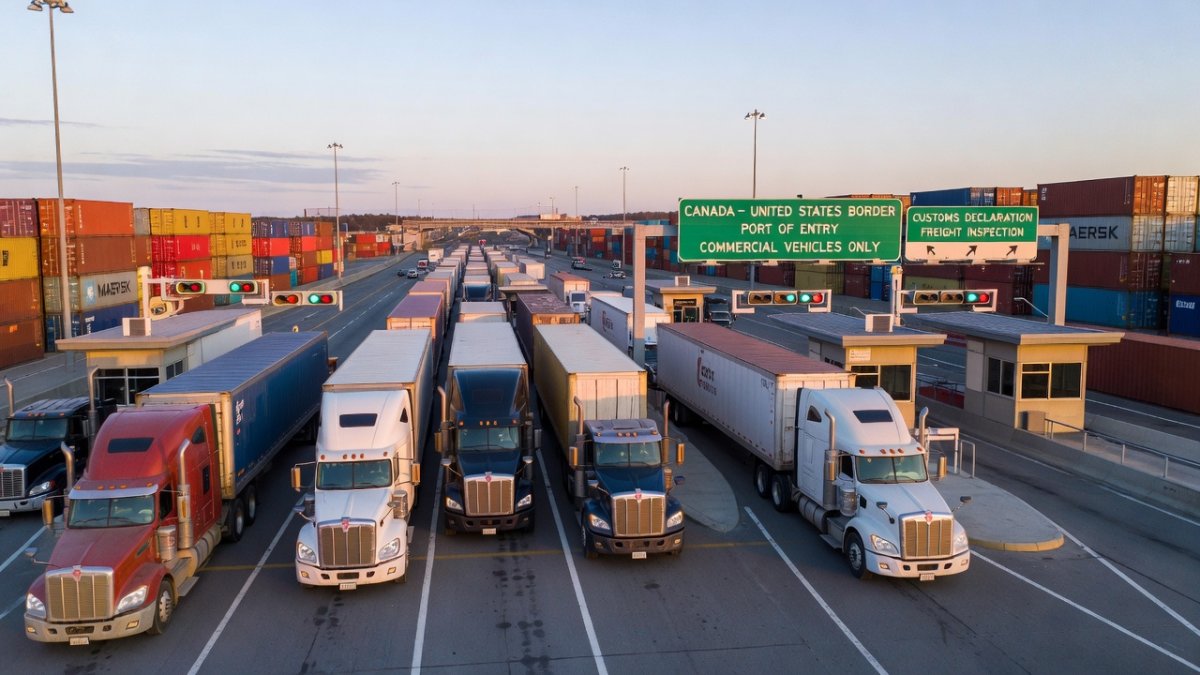
The U.S. tariffs, which took effect over the weekend, target a broad swath of Canadian exports ranging from hockey sticks, honey, essential oils and dairy products to alcoholic beverages, cement and hockey equipment. Notably, the U.S. administration carved out key Canadian exports — energy, potash and critical minerals — from the new tariffs, a move economists say reflects the deep integration of North American supply chains in those sectors. The carve-outs, however, did little to soften the blow for industries like agriculture and manufacturing, which now face a 50 per cent cost disadvantage in the U.S. market.
On Saturday, Carney held a news conference on Parliament Hill and vowed Canada would retaliate "dollar for dollar." He announced Canada will apply counter-tariffs on $20 billion of U.S. products effective September 8. The Canadian counter-tariffs will target U.S. goods across sectors including dairy, steel, household appliances, farming equipment, electronics, and pulp and paper. The government said it will introduce measures to support Canadian workers and businesses in the coming days, with Finance Minister François-Philippe Champagne expected to announce the full package today.
Canadian Context — Sovereignty and the Negotiating Table
The collapse of talks is not merely a trade dispute; it is a fundamental test of Canadian sovereignty and the federal government's ability to protect national interests. Carney's decision to reject the deal over last-minute changes that "compromised Canada's sovereignty" echoes a long-standing Canadian concern about the asymmetry of power in the bilateral relationship. Political scientists point out that Canada has historically navigated U.S. trade disputes through a combination of diplomatic engagement and legal mechanisms, such as the dispute resolution panels under the Canada-United States-Mexico Agreement (CUSMA). The current situation, however, has moved beyond those frameworks, with the U.S. administration imposing tariffs unilaterally and threatening further escalation.
Minister Dominic LeBlanc said Canada won't "rush back to Washington" unless there's a "viable" deal, signalling that Ottawa is prepared to hold the line despite pressure from the White House. President Trump, for his part, told Canada to "fall in line" — or face consequences that would be "far WORSE" than the tariffs already imposed. He has threatened new 50 per cent tariffs on Canada's car industry starting January 1, a move that would devastate the automotive sector in Ontario, where plants in Windsor, Oshawa and Oakville employ tens of thousands of workers.
Impact on Canadians — Jobs, Prices and Everyday Life
The economic consequences of the tariffs are already being felt. Economists warn that the 50 per cent tariffs could price Canadian companies out of the U.S. market and lead to the loss of tens of thousands of jobs. The affected sectors — agriculture, manufacturing, and food processing — are concentrated in regions that are already grappling with housing affordability and cost-of-living pressures. For example, dairy farmers in Quebec and Ontario, who rely heavily on cross-border exports, face an immediate hit to their bottom line. Similarly, Canadian breweries and distilleries, which have carved out a niche in the U.S. market, now face a tariff wall that could make their products uncompetitive.
The tariffs are also expected to raise prices for products on both sides of the border. Canadian consumers will see higher costs for U.S. goods targeted by Ottawa's counter-tariffs, including household appliances, electronics and steel products. Meanwhile, American consumers will pay more for Canadian goods like honey, maple syrup and hockey equipment — a reminder that trade wars rarely have winners. The Bank of Canada will be watching closely, as the combined effect of tariffs and counter-tariffs could add upward pressure on inflation, complicating the central bank's efforts to manage interest rates and maintain economic stability.
Reactions and Analysis — Provinces, Business and the Public
The political response has been anything but uniform. Ontario Premier Doug Ford traded insults with Trump and told him to "kiss my ass," and has threatened to cut off electricity to the U.S. While Ford's rhetoric has galvanized some Canadians, political scientists say the emotional response does not help Canada's negotiating position. "The United States holds the structural advantage in this relationship," said one analyst. "A measured, strategic approach is more likely to yield results than inflammatory language." The federal government appears to be taking that advice, with Champagne and other ministers coordinating with provincial counterparts on the input for countermeasures.
Meanwhile, the public is mobilizing in its own way. A "Buy Canadian" website saw traffic surge 300 per cent after the trade talks collapsed, reflecting a growing consumer movement to support domestic products. The website, which lists Canadian-made alternatives to U.S. goods, has become a symbol of grassroots resistance to the tariffs. U.S. Trade Representative Jamieson Greer, for his part, said the U.S. was offering Canada the "best treatment" of any major U.S. trading partner — a claim that rings hollow to Canadian businesses facing a 50 per cent tariff on their exports.
What Happens Next
Finance Minister François-Philippe Champagne is expected to announce Canada's countermeasures and a support package today, aimed at maintaining business liquidity, supporting workers and boosting Canadian economic resilience. The package is likely to include loan guarantees, wage subsidies and targeted relief for the hardest-hit sectors. Federal and provincial ministers are coordinating on the input for countermeasures, with a focus on ensuring that support reaches workers and businesses quickly.
The coming weeks will be critical. With the September 8 deadline for Canadian counter-tariffs approaching, and the threat of new U.S. tariffs on the car industry looming, the pressure is on both governments to find a path forward. However, Carney's firm stance on sovereignty suggests that Ottawa will not accept a deal that undermines Canadian interests, even if it means prolonged economic pain. For Canadians, the message is clear: the government is prepared to fight, but the cost of this fight will be borne by workers, businesses and consumers on both sides of the border.
As the situation evolves, Canadians are watching closely — not just for the details of the support package, but for a signal that the federal government has a long-term strategy to navigate this unprecedented challenge. The suspension of talks was a bold move, but it is only the beginning. The true test will be whether Canada can turn this moment of crisis into an opportunity to diversify its trade relationships and strengthen its economic resilience for the future.
By Alex Thompson, Staff Writer
This article was produced with AI-assisted research and editorial support. Reporting is based on sources cited in the article.
What's Your Reaction?
 Like
0
Like
0
 Dislike
0
Dislike
0
 Love
0
Love
0
 Funny
0
Funny
0
 Wow
0
Wow
0
 Sad
0
Sad
0
 Angry
0
Angry
0

Canada Correspondent at Global1.News. Based in Toronto, covering Canadian politics, energy, trade, and US-Canada relations. Provides the Canadian perspective on North American and global affairs.















Comments (0)