
Burnham attacks water firms for treating public like 'a blank cheque' as bills set to rise
Burnham attacks water firms for treating public like 'a blank cheque' as bills set to rise Andy Burnham has launched a blistering attack on water companies for treating customers as a "bottomless source of funding for other people's failures", after the regulator Ofwat provisionally approved bill increases for five suppliers to fund an extra £3.4bn of investment by 2030.
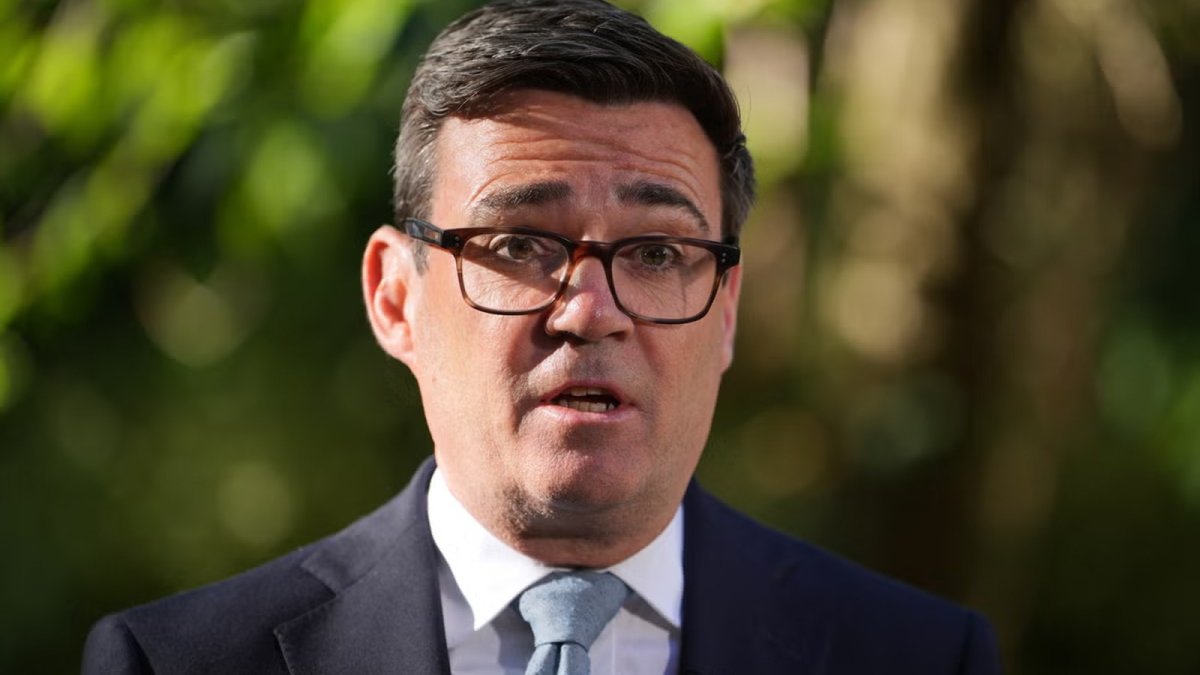
Burnham attacks water firms for treating public like 'a blank cheque' as bills set to rise
Andy Burnham has launched a blistering attack on water companies for treating customers as a "bottomless source of funding for other people's failures", after the regulator Ofwat provisionally approved bill increases for five suppliers to fund an extra £3.4bn of investment by 2030. The Greater Manchester mayor's intervention came as the Prime Minister said he was "angry" at the proposals, which land at a time when 26 million people are under hosepipe bans due to a near-nationwide drought. The decision will stoke further fury from households already grappling with a 36 per cent rise in bills approved between 2025 and 2030, with another 5.4 per cent average increase landing from April this year.
Ofwat's provisional ruling: who is affected and by how much
Ofwat has given provisional approval to five of the 13 water suppliers in England and Wales to raise household charges, enabling them to spend an additional £3.4bn on infrastructure upgrades before the end of the decade. Thames Water, Britain's biggest supplier with around 16 million customers, is among those set to benefit from the increased headroom, alongside South East Water, which has faced intense criticism following a series of supply interruptions that left thousands of households, businesses and schools without water.
The extra funding is intended to modernise infrastructure to cope with new housing developments and data centres, as well as targeting PFAS and other "forever chemicals" to safeguard drinking water supplies. Helen Campbell, executive director for delivery at Ofwat, said the newly agreed funding would "help unlock much-needed new housing development and boost business growth across a range of sectors, as well as improving drinking water quality and the removal of PFAS and forever chemicals". She added that the regulator would "track performance to ensure companies are delivering the expected improvements for customers and the environment", warning that "if they don't, expenditure can be clawed back".
Burnham and the PM: 'Customers cannot be treated as a blank cheque'
Mr Burnham hit out at the plans, saying customers could not be treated as a "blank cheque" for industry failures. His comments were echoed by the Prime Minister, who said: "I understand why people are angry – I am too. The truth is customers have been asked to pay more for years, yet serious pollution incidents are at record levels and the pipes are still leaking."
"None of which is the billpayer's fault, who should not be treated as a bottomless source of funding for other people's failures," the PM added. "Customers cannot be treated as a blank cheque. Where water companies seek to pass unnecessary costs onto households, they will be challenged. Our water industry has clearly not been working for people for far too long. That's why this government will be looking at how we can give the public more control and help keep bills as low as possible."
The remarks signal a hardening of the government's stance towards the sector, which has been under sustained political pressure over sewage spills, leaks, water quality and supply failures. The water industry has repeatedly defended its record, pointing to the scale of investment required to upgrade Victorian-era infrastructure, but the political mood music has shifted decisively in recent months.
Thames Water's crisis: £20bn debt and a £1m CFO payment
The news comes as Thames Water faces fresh scrutiny after revelations that it paid £1m to a chief financial officer appointed just over a year ago. The beleaguered firm is struggling under almost £20bn in debt, with cash running out to see the company through beyond the end of this year and widespread concern about which direction is best for the future of the business.
The company hired Steve Buck in April 2025 as CFO, who previously worked at water utility companies Pennon Group and Anglian Water. The £1m fee paid to Mr Buck was a delayed signing-on fee, as first reported by Sky News. Among the other 14 executives to have seen retention payments agreed, two are with workers no longer at the firm and others are for smaller amounts than originally agreed or on more favourable terms.
The Independent understands the water firm took legal counsel prior to payments being agreed and made, in line with fulfilling its current financial obligations, while the Environment, Food and Rural Affairs Committee (Efra) were informed last week about the payment to Mr Buck. Mr Buck's joining fee was agreed to be deferred when he joined, but his contractual rights ultimately dictated he was to be paid the full sum. Thames Water also paid chief executive Chris Weston over £1m last year, as shown in their own financial records released last month.
Creditors are currently looking to secure a rescue deal to stave off temporary nationalisation by the government, with the company's future hanging in the balance. The payment to Mr Buck will do little to assuage public anger at a company that has become a byword for the sector's failings, even as it seeks permission to raise bills further.
The billpayer squeeze: 36 per cent rises, hosepipe bans and energy costs
Simon Francis, from the End Fuel Poverty Coalition, criticised the move, saying it would leave low-income families with "impossible choices". He said: "The households facing higher water bills are also the same households already pushed to breaking point by years of high energy costs and watching in horror as utilities firms continue to post big profits. When the price of every essential keeps climbing, low income families are left with impossible choices."
Mr Francis called for ministers to come up with a "joined up plan" to protect the people most exposed to rising costs, adding: "The government cannot keep leaving struggling households to absorb rise after rise. The priority has to be affordable bills, warm homes and an end to the cycle of price shocks that hits the poorest hardest."
The context is stark. Ofwat has already allowed water firms to put up bills by 36 per cent between 2025 and 2030, with eye-watering increases seen in 2025 and another 5.4 per cent on average from April this year. The additional increases now provisionally approved for the five suppliers will compound the pressure on household budgets already stretched by high energy costs and broader inflation. The near-nationwide drought and associated hosepipe bans have added insult to injury, with customers paying more while being told to conserve water.
What the new funding is for: housing, data centres and forever chemicals
Ofwat's Campbell framed the additional investment as essential for economic growth and public health. The funding is intended to modernise infrastructure to cope with new housing developments and data centres, as well as targeting PFAS and forever chemicals to safeguard drinking water supplies. The latter has become an increasing concern in recent years, with studies linking the chemicals to a range of health problems and water companies facing pressure to remove them from supplies.
A spokesman for Water UK, which represents suppliers, said this summer's drought had shown exactly why new investment is so vital. The argument is that without significant capital expenditure, the network will continue to fail customers through leaks, supply interruptions and pollution incidents. But the decision will stoke further anger from customers, with the water sector repeatedly under fire over rising bills at a time of poor performance for sewage spills, leaks, water quality and supply failures – and now hosepipe bans.
What happens next: reform pledges, clawback rules and campaigner demands
Environment Secretary Angela Eagle branded regulation of the water sector "toothless" and pledged to "fundamentally reform" it. She said: "I know that households across the country are watching every pound and I share their frustration that years of underinvestment and toothless regulation has led to this." The pledge suggests the government is preparing to take a more interventionist approach to the sector, though the details of any reform programme remain unclear.
Ofwat has insisted that the new funding comes with strings attached. "We will track performance to ensure companies are delivering the expected improvements for customers and the environment. If they don't, expenditure can be clawed back," Campbell said. The clawback mechanism is designed to ensure that companies only receive the additional funding if they deliver on their promises, but campaigners remain sceptical given the sector's track record.
The provisional ruling is not the final word. The five suppliers will need to submit final business plans, and Ofwat will make a definitive determination in due course. But the direction of travel is clear: bills are going up, and the political temperature is rising with them. For households already at breaking point, the question is how much more they can absorb before the system itself breaks.
By Erica Thornton, Staff Writer
This article was produced with AI-assisted research and editorial support. Reporting is based on sources cited in the article.
What's Your Reaction?
 Like
0
Like
0
 Dislike
0
Dislike
0
 Love
0
Love
0
 Funny
0
Funny
0
 Wow
0
Wow
0
 Sad
0
Sad
0
 Angry
0
Angry
0

US Politics and Policy Correspondent at Global1.News. Based in Washington DC, covering American politics, policy, elections, and the courts. Knows how the system works and tells you what it actually means.















Comments (0)