
B.C. housing minister says situation at single-tenant Granville SRO 'not ideal'
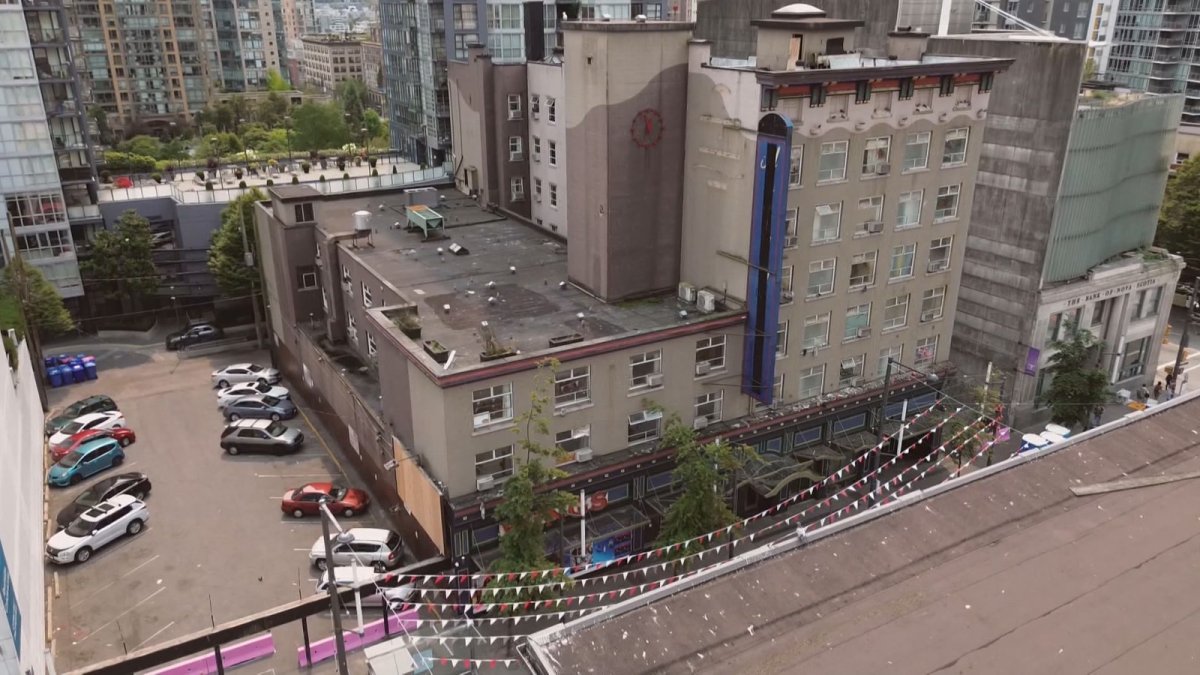
British Columbia's housing minister acknowledged Thursday that the province's continued operation of a downtown Vancouver single-room occupancy building for a single tenant is "not ideal," as the government works to shutter a property that was slated to close before the FIFA World Cup arrived in the city this summer. The Luugat Hotel at 1176 Granville St.
B.C. housing minister says situation at single-tenant Granville SRO 'not ideal'
British Columbia's housing minister acknowledged Thursday that the province's continued operation of a downtown Vancouver single-room occupancy building for a single tenant is "not ideal," as the government works to shutter a property that was slated to close before the FIFA World Cup arrived in the city this summer. The Luugat Hotel at 1176 Granville St. has remained staffed and operational for one resident, Ryan Donnelly, at a cost of roughly $101,000 for the month of July alone. The disclosure has intensified scrutiny of the province's approach to closing aging SROs while managing the needs of medically fragile tenants.
Tags: Luugat Hotel, Granville Street, SRO closures, Christine Boyle, Ken Sim, BC Housing, supportive housing, Vancouver housing, FIFA World Cup 2026, Ryan Donnelly, Granville Entertainment District
The Story
Vancouver, B.C. – Aug. 14, 2026 — More than a month after the province's self-imposed deadline to close the Luugat Hotel, the building remains open for exactly one person. Ryan Donnelly, a tenant with a seizure disorder who requires a larger room than most SRO units provide, has declined to move to alternative accommodations that the province has offered. The Ministry of Housing confirmed that keeping the building staffed, secure, and operational for Donnelly in July 2026 cost approximately $101,000 — a figure that includes security personnel, building maintenance, utilities, and case management support.
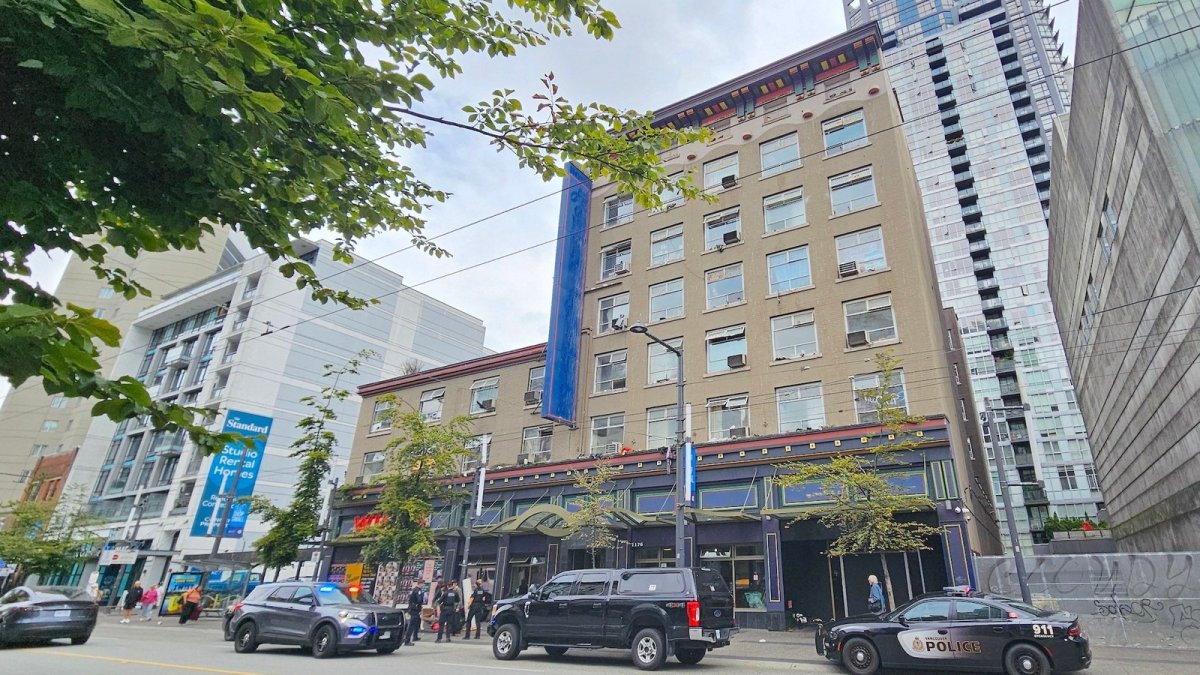
The Luugat, a former Howard Johnson hotel converted into an SRO, was slated to close by the end of June 2026, with the deadline tied to the arrival of the FIFA World Cup in Vancouver that summer. City officials and the province had agreed that the building's location in the heart of the Granville Entertainment District made it unsuitable for continued residential use during the international tournament. But the closure has been delayed by the practical challenge of relocating a tenant with specific medical needs.
On Thursday, Housing Minister Christine Boyle said she shares the public's frustration over the situation, describing the continued operation of a building for a single resident at that cost as "not ideal." She said the government is working to close the building down while ensuring Mr. Donnelly's health and safety are protected in the process, but did not provide a revised timeline for the closure.
Canadian Context
The Luugat situation sits at the intersection of several long-standing challenges in Canadian housing policy: the legacy of SROs as a last resort for low-income and vulnerable tenants, the jurisdictional divide between municipal and provincial responsibilities, and the pressures of a housing crisis that has left few affordable options for people with complex needs.
SROs — single-room occupancy buildings — have been a fixture of Vancouver's Downtown Eastside and surrounding areas for decades. Originally built as hotels, many were converted to residential use in the mid-20th century and have since become de facto housing for some of the city's most marginalized residents. The province, through BC Housing, has acquired a number of these buildings in recent years, including the Luugat, with the stated goal of improving conditions and providing supportive services. But the cost of operating aging buildings with few tenants has repeatedly raised questions about efficiency and accountability.
The precedent is well established. In May 2026, Global News reported that BC Housing paid $547,100 over two months to operate and wind down Vancouver's Colonial Hotel SRO while only two tenants remained. That disclosure prompted calls from opposition MLAs and housing advocates for a review of the province's SRO closure protocols. The Luugat situation now appears to be a similar case, albeit with a single occupant and a higher monthly cost.

The municipal-provincial dynamic adds another layer. Vancouver Mayor Ken Sim has been pushing to remove SROs from the Granville Entertainment District since at least November 2025, arguing that the concentration of social housing in the area has contributed to public safety concerns and hindered the district's revitalization. On Monday, Aug. 10, 2026, Sim and Boyle signed an agreement to close and replace three SROs in the district: the Luugat Hotel, St. Helen's Hotel at 1163 Granville St., and Granville Villa at 1025 Granville St. Under the agreement, replacement housing will be located outside the Granville Entertainment District, a departure from the previous practice of relocating tenants within the same neighbourhood.
Impact on Canadians
For tenants like Donnelly, the stakes are personal. A seizure disorder means he requires a room large enough to accommodate medical equipment and safe movement, and he has reportedly been reluctant to accept offers that do not meet those specifications. Housing advocates argue that the $101,000 monthly figure should not be read as waste, but as a reflection of how difficult it is to find appropriate housing for people with complex medical needs in a tight market.
For taxpayers, the cost is harder to justify. The province is spending more than $3,000 per day to house one person in a building that was supposed to be closed. That money, critics say, could have been used to secure a purpose-built unit or fund a more creative solution. The Ministry of Housing has not disclosed what alternative accommodations were offered to Donnelly or whether any met his stated requirements.
For the broader community, the situation underscores the tension between public safety and social responsibility. The Granville Entertainment District is a major tourist and nightlife hub, and the city has invested heavily in its cleanup ahead of the World Cup. But the presence of SROs and their tenants has been a flashpoint in local politics, with some residents and business owners calling for their removal and others warning against displacing vulnerable people without adequate supports.
Reactions and Analysis
City councillors and housing advocates say the $101,000 figure highlights systemic problems in the province's approach to SRO closures. Advocates working on housing files in Vancouver argue the case is less about one tenant than about a system that lacks clear plans for people with complex medical needs, and they say details of closure and replacement timelines have repeatedly been thin.
Mayor Sim, who has made SRO removal a priority, welcomed Monday's agreement as a step forward. In a statement, he said the buildings need to be closed and residents moved into appropriate housing, arguing the status quo is not working for tenants, the neighbourhood, or taxpayers footing the bill.
Minister Boyle defended the government's record while acknowledging the challenges, saying the province has moved more people into supportive housing in recent years than any previous government. She added that the government cannot force someone to move before they are ready, and cannot put a tenant in a situation that endangers their health, saying the ministry is working on the case specifically to resolve it.
Opposition critics have been less charitable. BC Conservative MLAs on the housing committee have called for a full accounting of SRO closure costs and every dollar spent, questioning how a government focused on affordability can justify six-figure monthly spending on a single room.
What Happens Next
The agreement signed Monday commits the province and the city to closing all three SROs in the Granville Entertainment District, with replacement housing to be developed outside the area. No specific timeline for the Luugat's closure has been announced, and the province has not said what will happen if Donnelly continues to decline relocation offers.
BC Housing is expected to continue engaging with Donnelly and his support network to find a suitable alternative. The ministry has said it is "committed to a resolution that prioritizes the tenant's health and safety," but has not offered details on what that might look like or when a decision might be reached.
The broader question of how to close SROs without leaving vulnerable tenants behind remains unresolved. The Colonial Hotel precedent and the Luugat case both suggest that the province's current approach — waiting for tenants to accept offers before closing a building — can lead to prolonged and costly operations. Housing policy experts say a more proactive strategy, including pre-securing appropriate units before announcing closures, could reduce both costs and delays.
For now, the Luugat Hotel remains open, staffed, and occupied by a single resident. The province says it is working to close the building. The public, the mayor, and the minister all agree the situation is not ideal. What remains to be seen is whether the government can find a resolution that is both fiscally responsible and humane — and whether the lessons from this case will inform how future SRO closures are handled.
By Alex Thompson, Staff Writer
This article was produced with AI-assisted research and editorial support. Reporting is based on sources cited in the article.
What's Your Reaction?
 Like
0
Like
0
 Dislike
0
Dislike
0
 Love
0
Love
0
 Funny
0
Funny
0
 Wow
0
Wow
0
 Sad
0
Sad
0
 Angry
0
Angry
0

Canada Correspondent at Global1.News. Based in Toronto, covering Canadian politics, energy, trade, and US-Canada relations. Provides the Canadian perspective on North American and global affairs.















Comments (0)