
Why the World's Richest Cricket Board Cannot Hire a Sports Medicine Chief
The Board of Control for Cricket in India (BCCI) is the richest cricketing body in the world, with annual revenues crossing ₹6,000 crore. Yet, for 17 months, it has failed to fill a single, critical position: the Head of Sports Science and Medicine (SSM) at its state-of-the-art Centre of Excellence (CoE) in Bengaluru.
The Board of Control for Cricket in India (BCCI) is the richest cricketing body in the world, with annual revenues crossing ₹6,000 crore. Yet, for 17 months, it has failed to fill a single, critical position: the Head of Sports Science and Medicine (SSM) at its state-of-the-art Centre of Excellence (CoE) in Bengaluru. This paradox — immense financial muscle meeting an acute human-resource vacuum — sits at the heart of India's worst cricket injury crisis in recent memory, with 13 players currently undergoing rehabilitation at the facility.
Why the World's Richest Cricket Board Cannot Hire a Sports Medicine Chief: The CoE Leadership Vacuum and India's Athlete Healthcare Crisis
New Delhi, India – August 18, 2026 — The vacancy at the BCCI's Centre of Excellence in Bengaluru is not a recruitment hiccup; it is a systemic failure of sports governance. Since Nitin Patel, the previous head of sports science, resigned in March 2025, the position has remained unfilled despite a global search that has seen at least three high-profile candidates — including a former New Zealand All Blacks sports science chief and a leading Australian expert — withdraw at the final stage. As 13 Indian cricketers, including Jasprit Bumrah and Hardik Pandya, undergo rehabilitation under an overworked team with no figurehead, the question is no longer about who will take the job, but why Indian sports infrastructure cannot attract the very talent it desperately needs.
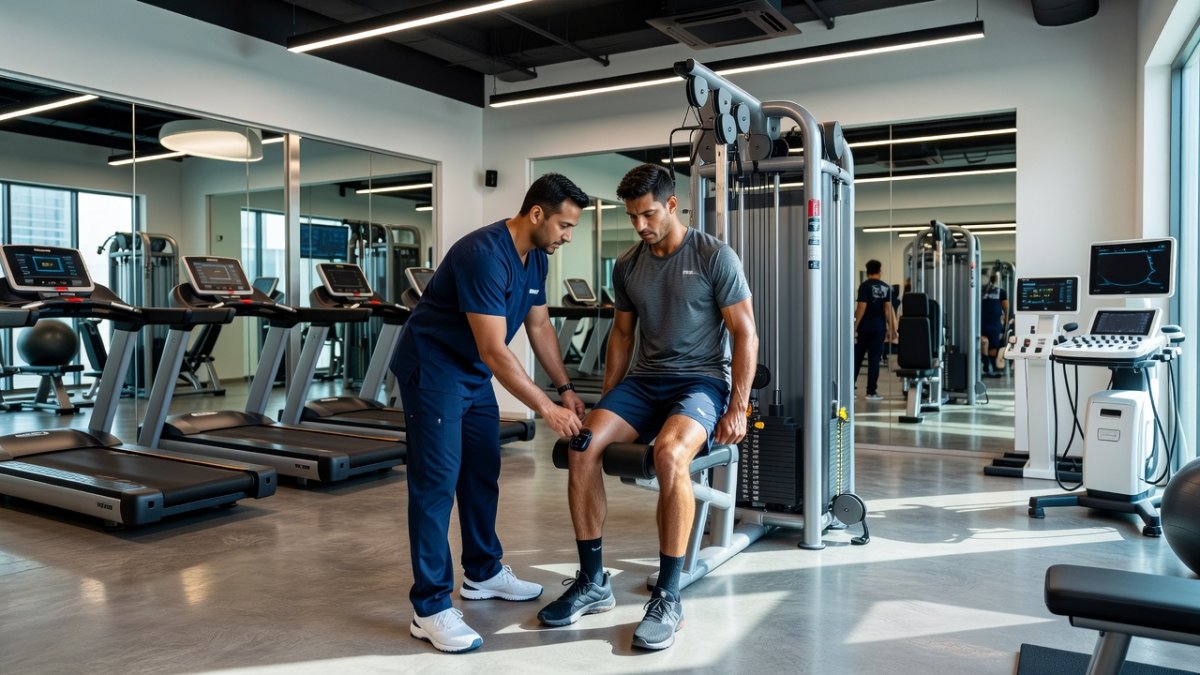
The Vacancy That Refuses to Be Filled
The timeline of failure is instructive. After Nitin Patel's departure in early 2025, the BCCI's search began with optimism. VVS Laxman, the CoE head, revealed at a media interaction at the centre that the board came closest to securing Andrew Leipus — Team India's physio from 1999 to 2005 and a familiar face at the National Cricket Academy between 2015 and 2017. BCCI secretary Devajit Saikia held two or three meetings with Leipus, and "everything was agreed upon." Then, at the last minute, Leipus backed off, citing family reasons. Leipus had been part of the interview panel that selected Nitin Patel in 2022, making his withdrawal particularly stinging.
The pattern repeated. A panel shortlisted five candidates. "The No.1 candidate was Australian. I don't want to name him, but after being selected, he suddenly backed out saying he can't move to Bengaluru," Laxman said. The BCCI then pivoted to the head of Sports Science of the All Blacks, New Zealand's rugby powerhouse. "He almost agreed and at the last moment, backed out (too)," Laxman added. The recurring dealbreaker, sources confirm, is the non-negotiable condition: a full-time, on-site role in Bengaluru under Laxman's "day-to-day monitoring." No consulting arrangements, no remote oversight, no part-time commitments.
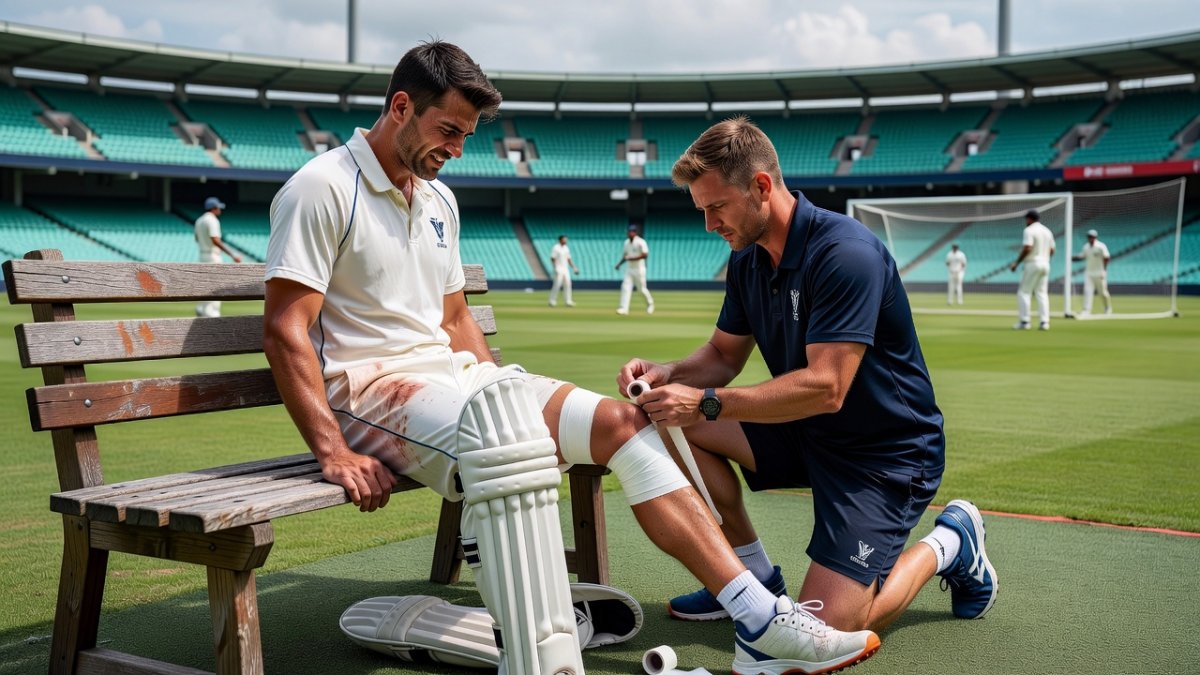
Thirteen Players, One Overworked Team
The vacancy is not an administrative inconvenience; it is a patient-safety issue. As of August 2026, 13 Team India players are undergoing rehabilitation at the CoE. The list reads like a casualty report from a prolonged campaign. Jasprit Bumrah, India's premier fast bowler, is battling left knee synovitis — fluid has been drained, joint injections administered, and he still reports discomfort while jogging, with no return timeline. Hardik Pandya's left-thigh quadriceps and calf issues have been compounded by a fresh right-calf flare-up, even after he had progressed to bowling at 80-90% intensity. Washington Sundar is nursing a right hamstring strain; Sai Sudharsan has a stress reaction in his right foot, batting up to 75 minutes a day with persistent toe pain, awaiting a final MRI.
The list extends: Nitish Kumar Reddy (left-thigh quadriceps, though he has bowled 16 overs at 60-70% intensity in the 'Return to Skills' phase), Harshit Rana (right hamstring strain), Riyan Parag (right shoulder, post-surgery), Yudhvir Singh Charak (right shoulder rotator cuff), Varun Chakravarthy (left hamstring strain), Akash Deep (lower-back stress fracture, out the longest since Bengal's Ranji Trophy semi-final defeat), Himanshu Singh (right knee), Suyash Sharma (knee), and Ashok Sharma (lower-back stress fracture plus an 11th-rib fracture). India Today and PTI reported on August 8, 2026, that "the Sports Science team is overworked without a figurehead since the resignation of Nitin Patel in early 2025."
What the Failed Searches Reveal About Indian Sports Medicine
The BCCI's struggle is a mirror into the broader Indian sports medicine ecosystem. Devajit Saikia's admission is telling: "There are very limited persons, not only in India but across the world... Because of acute shortage, I should say, we are not getting the person. But the process is on." This is not false modesty. Elite sports science talent is scarce globally, and the full-time Bengaluru condition — while administratively sound — is a recurring dealbreaker for international candidates who command premium consulting fees and prefer to work remotely across multiple leagues.
But the deeper problem is domestic. At the state level, the BCCI wanted a head of sports science for each of its 38 member associations to "standardise all fitness protocols and guidelines." Through the interview process, they "could only identify seven quality professionals." Seven. For 38 associations. Each zonal SSM head now covers five associations, with complex cases relayed from state level to the CoE rehab team. This is a triage system built on scarcity, not strategy. Laxman's caveat adds another layer: stature and experience alone are insufficient; the candidate must also have "knowledge and understanding of Indian cricketers." This dual requirement — world-class expertise plus local cultural fluency — narrows an already thin field to a handful of individuals globally.
The Calendar, the Workload, and the Breaking Point
The injury crisis is not random; it is structural. India's cricket calendar is a relentless treadmill of international series, IPL franchise commitments, and domestic tournaments, leaving minimal recovery windows. Bumrah's knee issue, in particular, has raised pointed questions about the CoE's effectiveness in player rehabilitation and workload management, as noted by Sportstar and The Hindu. The numbers are stark: India were missing Bumrah (knee swelling), Sudharsan (left foot big toe), Harshit Rana (hamstring), Nitish Kumar Reddy (hamstring), and Washington Sundar (quadriceps) for the England ODI series and Sri Lanka Tests in August 2026. White-ball specialists Hardik Pandya (quadriceps), Varun Chakravarthy (hamstring), and Prince Yadav (hamstring) are also at the CoE.
Friction between the CoE and the selection committee has compounded the problem. Reports indicate the two bodies are not always in sync on injury management timelines. Harshit Rana reaching England "distinctly overweight" did not go down well with the selection committee, a lapse that suggests fitness monitoring gaps at the state or franchise level. Nitish Reddy's attempt to increase his bowling pace by 7-8 kmph put additional toll on his hamstring and quadriceps — a classic overreach that a robust sports science department might have caught earlier. The BCCI's fitness benchmarks — players must complete physical tests and medical assessments including MRI evaluations before return-to-play clearance — are rigorous on paper, but without a head to enforce and refine them, they risk becoming bureaucratic checkboxes rather than clinical safeguards.
Expert Perspectives
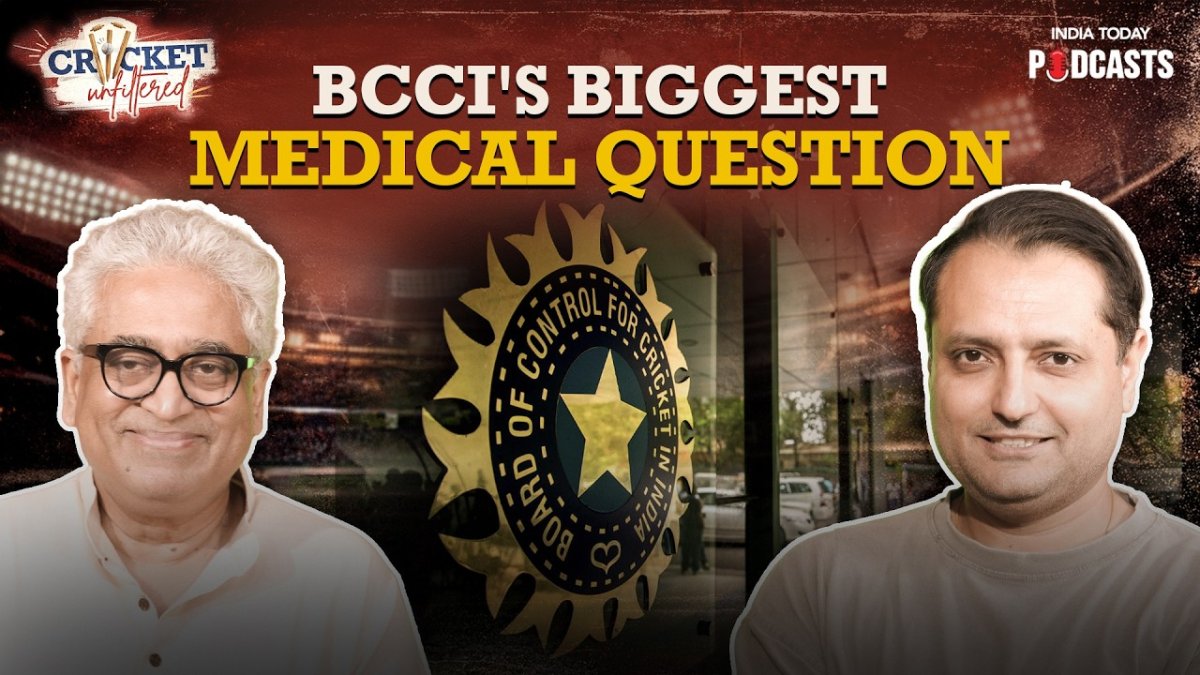
The public discourse has been sharp. In the India Today video "Why Can't BCCI Find A Top Sports Medicine Expert?" — a 44-minute Cricket Unfiltered episode published August 17, 2026 — Rajdeep Sardesai and Nikhil Naz dissected the governance failure with characteristic urgency. VVS Laxman's frustration is palpable: "There are very limited persons, not only in India but across the world." Devajit Saikia, who scheduled a Sunday meeting on August 9, 2026, with Laxman in Bengaluru to review rehabilitation management, acknowledged the mounting concern over recovery timelines and selection communication. Critics, including former cricketer Mohammad Kaif, have been less diplomatic, questioning whether the CoE's injury management has kept pace with the demands of modern cricket. The BCCI secretary's own admission — that the process is ongoing but the shortage is acute — is a tacit acknowledgment that the board's financial heft cannot manufacture expertise overnight.
The Road Ahead for India's Athlete Healthcare
Filling this position is not merely about cricket; it is about the future of Indian sports medicine as a profession. The CoE in Bengaluru is meant to be the gold standard — a facility where sports science, physiotherapy, and medical care converge. Without a head, it is a ship with a crew but no captain. The implications extend beyond the 13 injured players. For Indian athletes across sports — from athletics to hockey to badminton — the CoE's model could set a precedent for how elite sports medicine is delivered in India. The current crisis underscores a broader truth: India produces world-class athletes but lacks the sports science infrastructure to keep them healthy. The BCCI's struggle is a microcosm of a national challenge, where the demand for high-performance expertise far outstrips the supply of qualified professionals.
The BCCI's response — standardising fitness protocols across 38 associations, identifying seven quality professionals, and insisting on full-time, on-site leadership — is directionally correct. But the execution has been slow, and the cost is being borne by players whose careers hang in the balance. The board must consider whether the full-time Bengaluru condition is sacrosanct or whether a hybrid model — a global head with periodic on-site presence and a strong deputy in Bengaluru — might unlock the talent pool. It must also invest in building domestic sports science capacity, perhaps through partnerships with institutions like AIIMS or the ICMR, to create a pipeline of Indian sports medicine professionals who understand local cricketing culture.
The Bottom Line
The BCCI's inability to fill the SSM head position is a governance failure with clinical consequences. Seventeen months without a leader, 13 players in rehabilitation, and a sports science team stretched thin — these are not coincidences; they are symptoms of a systemic shortage that money alone cannot solve. The board's insistence on full-time, on-site leadership is commendable in principle, but it has proven impractical in a global market where elite sports scientists are scarce and in demand. For Indian cricket, the immediate priority is clear: secure a qualified head, even if it requires flexibility on the employment model, and simultaneously invest in developing domestic expertise. For Indian sports medicine, the lesson is broader: athlete healthcare cannot be outsourced to a single hire; it requires a systemic commitment to building the profession from the ground up. The richest cricket board in the world can afford many things, but it cannot afford to keep losing the race for the people who keep its players healthy.
— By Dr. Raj Patel, Staff Writer
This article was produced with AI-assisted research and editorial support. Reporting is based on sources cited in the article.
What's Your Reaction?
 Like
0
Like
0
 Dislike
0
Dislike
0
 Love
0
Love
0
 Funny
0
Funny
0
 Wow
0
Wow
0
 Sad
0
Sad
0
 Angry
0
Angry
0
India/South Asia Correspondent at Global1.News. Analytical voice with a background in science and health journalism. Based in New Delhi, covering Indian politics, education, healthcare, technology, and policy. Breaks down complex data into clear, actionable reporting.









Comments (0)