
Ethnic minorities in England less likely to get breast cancer diagnosis from routine screening
New research from the University of Surrey, funded by Breast Cancer Now, has uncovered stark disparities in how breast cancer is diagnosed across England.
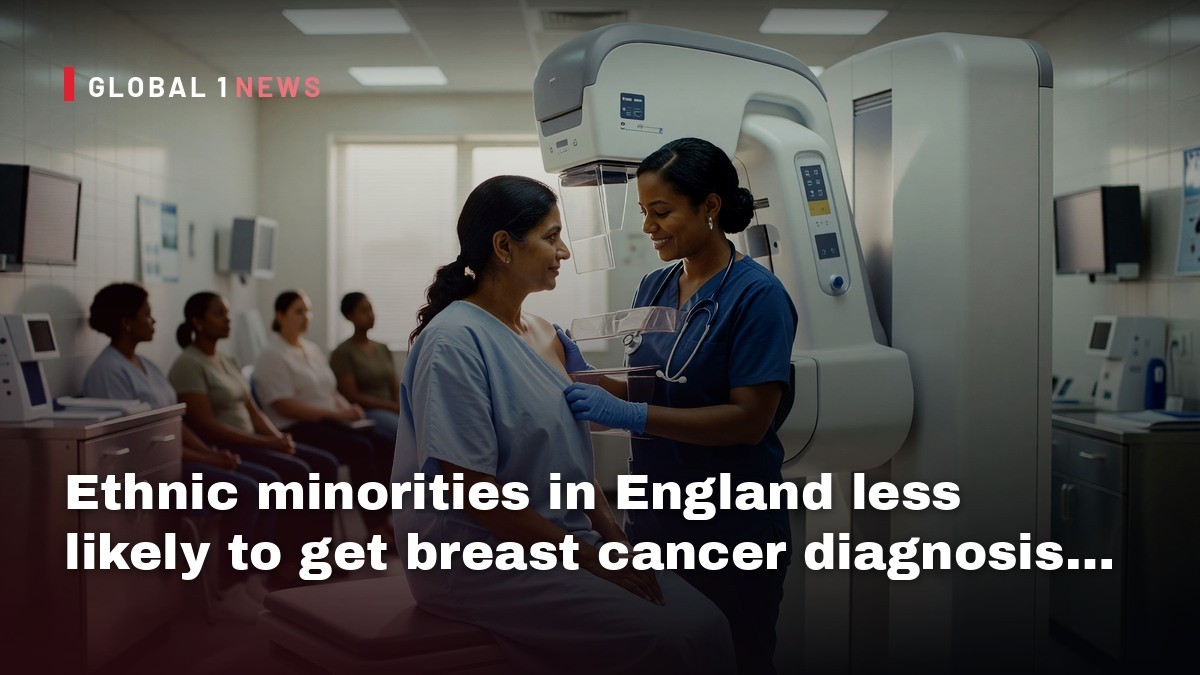
New research from the University of Surrey, funded by Breast Cancer Now, has uncovered stark disparities in how breast cancer is diagnosed across England. Analysing more than 86,000 adult cases diagnosed between 2009 and 2019, the study found that people from Black, Asian and mixed‑ethnicity backgrounds – as well as those living in deprived areas – are considerably less likely to receive a diagnosis through routine screening. Instead, they are more often identified via urgent referrals or, alarmingly, through emergency presentations. These gaps in early detection have profound implications for survival, echoing long‑standing concerns about inequitable access to cancer services.
Screening gaps for marginalised groups
The core finding of the analysis is that ethnic minority women are up to 33 % less likely to be diagnosed through the NHS breast‑screening programme. This shortfall is mirrored among people living in socio‑economically deprived neighbourhoods, suggesting that the barrier is not purely ethnic but also tied to broader social deprivation.
Routine screening is a cornerstone of the UK’s cancer‑control strategy, offering the chance to detect tumours at an early, more treatable stage. When women miss out on this pathway, they are forced into alternative routes that typically involve later‑stage disease, higher treatment intensity and poorer outcomes.
Urgent referrals and emergency diagnoses on the rise
For the same groups, the study recorded a rise of up to 31 % in diagnoses via urgent suspected‑cancer referrals. While an urgent referral is still a proactive step, it usually follows the presentation of symptoms that have already progressed beyond the earliest, asymptomatic stage that screening would catch.
Even more concerning is the increase in emergency presentations – up to 37 % more likely for ethnic minorities and deprived patients. An emergency diagnosis often means the tumour has grown large enough to cause acute symptoms, such as a painful breast lump or a sudden change in health, prompting an urgent hospital visit. This route is associated with the worst prognoses and the most aggressive treatment regimens.
Longer waits for those with learning disabilities
The research also highlighted a distinct disadvantage for people living with a learning disability. Their time from first symptom to diagnosis was 18 % longer than for those without such a disability, and they endured a further 10 % longer wait for treatment after diagnosis. These delays compound the already heightened risk of late‑stage detection, underscoring the need for tailored support pathways.
These figures sit alongside broader evidence that people with learning disabilities often face barriers to accessing primary‑care services, from communication challenges to inadequate accommodation of their needs within standard appointment structures.
Underlying causes: GP interactions and systemic bias
Previous research cited in the Guardian article points to a pattern of repeated general‑practice visits before a cancer diagnosis is made. On average, one in five patients across England required three or more GP appointments before receiving a cancer diagnosis. For ethnic minority patients, this proportion rose to one in three, indicating that they are more likely to encounter diagnostic delays at the primary‑care level.
Such a disparity suggests that systemic bias, cultural misunderstandings, or a lack of targeted outreach may be at play. The NHS’s own patient‑experience surveys have flagged these gaps, but the Surrey study adds a quantitative dimension that links the extra GP visits directly to later detection routes.
Implications for survival and mortality
Breast cancer remains the most common cancer among women worldwide, accounting for roughly one in four cancer cases and representing a leading cause of death for women under 50. Early detection through screening is directly linked to higher survival rates, as tumours identified at an early stage are more amenable to less invasive treatment and have a lower likelihood of metastasis.
When marginalised groups are disproportionately funneled into urgent or emergency pathways, they inevitably face poorer survival prospects. Manveet Basra, associate director of public health, inclusion and awareness at Breast Cancer Now, warned that these inequities “impact their survival rates”. The study’s findings therefore provide a concrete explanation for the previously observed survival gaps between ethnic groups.
Calls for policy action and targeted interventions
Both researchers and advocacy groups are urging swift policy responses. Dr Rob Kerrison, lead investigator, stressed that “if we are serious about improving breast cancer outcomes, we need to ensure that everyone can access screening and receive prompt treatment, regardless of their background or circumstances.” He called for a national review of screening outreach, culturally sensitive communication, and the removal of logistical barriers that prevent attendance.
Breast Cancer Now, the charity funding the research, has pledged to work with policymakers to improve equal access to screening. Their strategy includes aligning information campaigns with the diverse needs of affected communities, ensuring that support services are inclusive, and funding further research to pinpoint and dismantle the specific obstacles faced by marginalised groups.
Looking ahead: bridging the gap
Addressing these disparities will require a multi‑pronged approach. First, increasing awareness among primary‑care providers about the heightened risk of delayed diagnosis in ethnic minority and deprived patients could prompt earlier referrals. Second, community‑level outreach – such as mobile screening units in underserved areas and culturally tailored health education – may boost participation in routine programmes.
Finally, the data on learning disabilities highlights the necessity of bespoke pathways that accommodate communication needs and provide additional support throughout the diagnostic journey. By translating the Surrey study’s insights into concrete service redesign, the NHS can move towards a more equitable breast‑cancer landscape, where a woman’s ethnicity or socioeconomic status no longer dictates the timeliness of her diagnosis.
This article was produced with AI-assisted research and editorial support. Reporting is based on the source material cited below. Sources: The Guardian UK; theguardian.com; Global1.News (29 October 2026).
By Erica Thornton, Staff Writer
What's Your Reaction?
 Like
0
 Dislike
0
 Love
0
 Funny
0
 Wow
0
 Sad
0
 Angry
0

US Politics and Policy Correspondent at Global1.News. Based in Washington DC, covering American politics, policy, elections, and the courts. Knows how the system works and tells you what it actually means.














Comments (0)