
WestJet Flight Attendants Strike Halts Flights on Long Weekend
WestJet's 4,400 flight attendants walked off the job early Sunday, grounding more than 300 flights on the August long weekend after contract talks failed. CUPE Local 8125 and the airline remain at odds over pay for ground duties as travellers face widespread disruption.
In a recent CBC News report titled "WestJet flight attendants are now on strike. What comes next?", the work stoppage that began early Sunday morning is laid out in detail. More than 4,400 flight attendants represented by CUPE Local 8125 walked off the job after the strike deadline passed at 12:01 a.m. Mountain Time on the August long weekend, halting operations at Canada's second-largest airline. This directly disrupts travel plans for thousands of Canadians during one of the busiest periods of the summer.
WestJet Strike Halts Flights on Long Weekend
Calgary, Alberta – Sunday — WestJet's flight attendants began their strike early Sunday morning after contract talks in Calgary collapsed. The carrier cancelled more than 300 flights as of early Sunday, stranding passengers across the country on the Civic Holiday weekend. WestJet stated it could not operate any scheduled Boeing 737 and 787 flights, while WestJet Encore Q400 flights and partner code-shares continued.
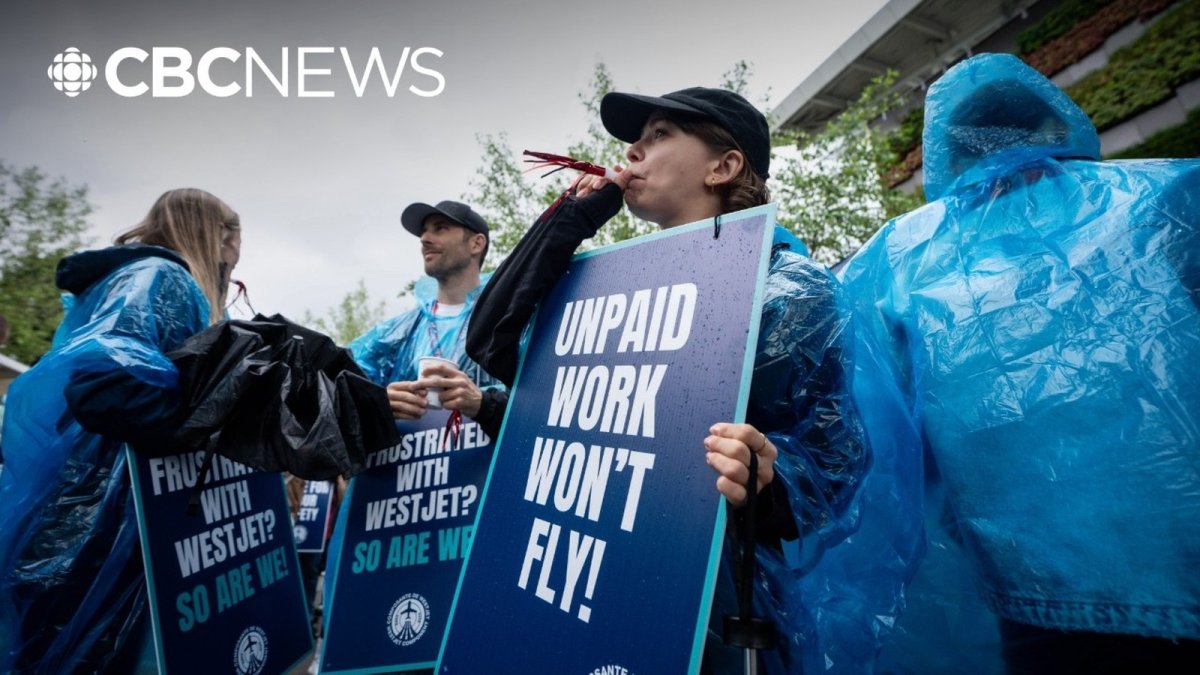
The Strike Begins
The strike deadline of 12:01 a.m. Mountain Time Sunday followed 72-hour notices issued by both CUPE Local 8125 and WestJet on Thursday July 30. The previous collective agreement expired December 31, 2025, and negotiations had continued without resolution on wages and ground-duty compensation. WestJet immediately grounded its mainline fleet, affecting more than 70,000 daily passengers on a typical summer schedule of over 600 flights. The timing coincides with peak travel across Canada, when families and businesses rely on reliable air service for holiday plans and supply chains. Federal labour rules under the Canada Labour Code govern the dispute, leaving open the possibility of intervention by Jobs Minister Patty Hajdu or Prime Minister Mark Carney's government. This stoppage marks the second major airline labour action in a year, following the Air Canada flight attendants' strike last August.
The Core Dispute Over Ground Work Pay
Union members argue that flight attendants perform substantial unpaid work on the ground, including boarding, delays, and pre-flight duties. WestJet's credit-hour system combines flight time and ground duties into a single rate ranging from $28.88 to $53.61 per credit hour, yielding annual earnings of $27,700 to $51,500 at 80 credit hours per month. The union maintains this structure fails to compensate all hours worked before and after flights. In contrast, the airline describes the system as providing a higher blended rate that covers the full workday. Similar ground-pay issues led to the Air Canada flight attendants' three-day strike last August, which stranded more than 100,000 travellers before a tentative deal was reached. Delta Air Lines introduced boarding pay in 2022, followed by American Airlines and Alaska Airlines at 50 per cent of regular rates. Air Canada flight attendants later secured ground-work compensation reaching 70 per cent of their hourly rate for the hour before takeoff in February 2026.
WestJet's Position and Latest Offer
CEO Alexis von Hoensbroech expressed disappointment that the company's proposal was rejected, noting it would have introduced an hourly rate for all time before and after flights plus a double-digit wage increase in year one. Hours after the strike began, WestJet released an updated offer that includes a 13 per cent wage boost effective October 2026 with retroactive pay to January 1, a new duty pay premium equivalent to an additional 12 per cent of salary, and an immediate 13 per cent increase in per diems. Additional elements cover annual $300 health-care spending accounts, expanded vacation entitlements, a 17-week postpartum maternity leave top-up, reduced maximum duty days, extra rest hours, and additional pay for reassignments or layover hotel delays. The airline emphasised that the offer would set a new standard for cabin crew in Canada. WestJet operates as a federally regulated employer and belongs to FETCO, the transportation employers' association.
The Union's Position
CUPE Local 8125 president Alia Hussain stated that members are on strike because they deserve better compensation and are prepared to return to the bargaining table immediately. The union seeks a comprehensive contract that addresses unpaid ground work while preserving the right to free collective bargaining without federal interference. Hussain noted that while unpaid work remains a central priority, the full package of issues must be resolved. The union served its 72-hour strike notice on the same day WestJet issued its lockout notice, underscoring the breakdown in talks. This approach echoes the Air Canada flight attendants' decision last August to defy a Canada Industrial Relations Board order, which ultimately forced further negotiations and produced a settlement. Members continue to emphasise that fair pay for all hours worked strengthens the profession across the Canadian aviation sector.
Impact on Travellers Across Canada
More than 300 WestJet flights were cancelled by early Sunday, leaving passengers at major hubs including Toronto Pearson International Airport without clear alternatives during the August long weekend. Travellers Carissa Fontaine and Karissa Sehn from Saskatoon slept overnight at Pearson after returning from Amsterdam, describing unhelpful service and uncertainty lasting several days. Lindsay Williams from the UK, on a once-in-a-lifetime trip to Cancun, faced multi-day losses after rebooking with another carrier and encountered a seven-hour queue at customer service. WestJet's direct check-in assistance line at Pearson remained empty Sunday morning, while the airline directed passengers booked directly to email notifications for refunds or reaccommodation and advised those using travel agents to contact their agents. The disruption affects time-sensitive cargo and business travel across provinces during peak summer demand.
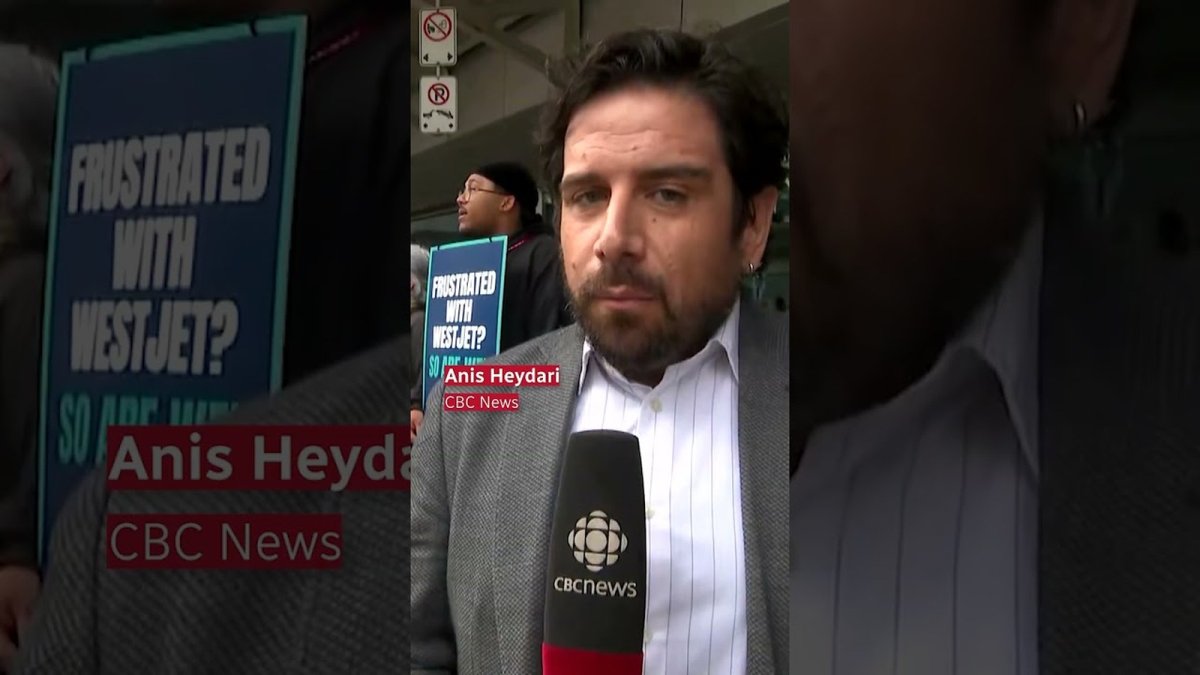
The disruption extends beyond leisure passengers to cargo shipments and business travel, with particular consequences for connectivity in Western Canada, where WestJet maintains a significant share of routes. Peak August demand has amplified the number of stranded travellers across the network, and the Civic Holiday timing means many families are away from home with limited flexibility to rebook.
Canadian Context and Federal Labour Law
The dispute falls under the Canada Labour Code, which covers federally regulated industries including airlines. Jobs Minister Patty Hajdu expressed disappointment that no deal was reached and reiterated that the strongest agreements are reached at the bargaining table, without confirming whether back-to-work legislation or a board order would follow. Prime Minister Mark Carney's government now faces the decision of whether to intervene, a question that carries implications for future labour relations in transportation. The Air Canada precedent last August demonstrated that defiance of a labour board order can pressure parties back to negotiations. FETCO has argued that frequent work stoppages in the federally regulated private sector require changes to the Canada Labour Code to prevent catastrophic disruptions. The outcome will influence how similar disputes at other carriers are handled under federal jurisdiction.
Under the Canada Labour Code, the Carney government retains several options: federal conciliation and mediation, a referral to the Canada Industrial Relations Board, or, in rare cases, back-to-work legislation that would require Parliament to sit. Minister Hajdu stopped short of signalling which path, if any, the government might take, noting only that the strongest agreements are reached at the table.
Reactions from Business Groups
Pascal Chan, vice-president of strategic policy and supply chains at the Canadian Chamber of Commerce, stated that Canadians are paying the price through stranded travellers, grounded goods, and widespread business disruption during peak travel season. FETCO warned that the strike signals the need for reforms to collective bargaining rules to maintain Canada's reputation as a reliable place to do business. Both organisations highlighted the economic ripple effects on communities that depend on WestJet connectivity, particularly in Western Canada where the carrier maintains its largest presence. The August long weekend amplifies these costs, as families, tourism operators, and supply chains face immediate losses. These reactions reflect broader concerns about labour stability in Canada's aviation and transportation sectors.
What Happens Next
WestJet and CUPE Local 8125 have both indicated willingness to resume talks, yet the federal government's response remains the key variable. A brief shutdown already costs the airline millions during peak summer operations. The precedent from last year's Air Canada strike suggests that sustained pressure can produce settlements without prolonged government intervention, though the current timing on a major holiday weekend increases political stakes. Passengers are advised to monitor direct communications from WestJet or their booking agents for reaccommodation options. The resolution will shape expectations for ground-pay reforms across Canadian airlines and test the limits of the current federal labour framework. Observers will watch closely for any direction from Minister Hajdu or further movement at the bargaining table in Calgary.
Possible paths include an early return to negotiations, federal intervention through mediation or legislation, or a prolonged stoppage that extends beyond the August long weekend. Each scenario carries different implications for the roughly 600 daily flights WestJet normally operates and for the more than 70,000 passengers who move through its network on a typical summer day.
Extended disruption would increase costs for the airline through lost revenue and reaccommodation expenses while testing its position as Canada's second-largest carrier. Passengers are advised to monitor direct communications from WestJet or their booking agents, to check reaccommodation options, and to consider alternative carriers where available, including WestJet Encore and partner code-share flights that remain in service.
The outcome will likely influence future bargaining at other Canadian airlines by demonstrating whether ground-work compensation can be resolved through direct talks or requires government involvement, following the precedent set in the Air Canada dispute last summer.
By Alex Thompson, Staff Writer
This article was produced with AI-assisted research and editorial support. Reporting is based on sources cited in the article.
What's Your Reaction?
 Like
0
Like
0
 Dislike
0
Dislike
0
 Love
0
Love
0
 Funny
0
Funny
0
 Wow
0
Wow
0
 Sad
0
Sad
0
 Angry
0
Angry
0

Canada Correspondent at Global1.News. Based in Toronto, covering Canadian politics, energy, trade, and US-Canada relations. Provides the Canadian perspective on North American and global affairs.















Comments (0)