
Nigeria Removed from Tyla World Tour List as Diplomatic Strains with South Africa Deepen
Nigeria Removed from Tyla World Tour List as Diplomatic Strains with South Africa Deepen South African singer Tyla has removed Lagos from her world tour schedule after the release of her second album A*POP.
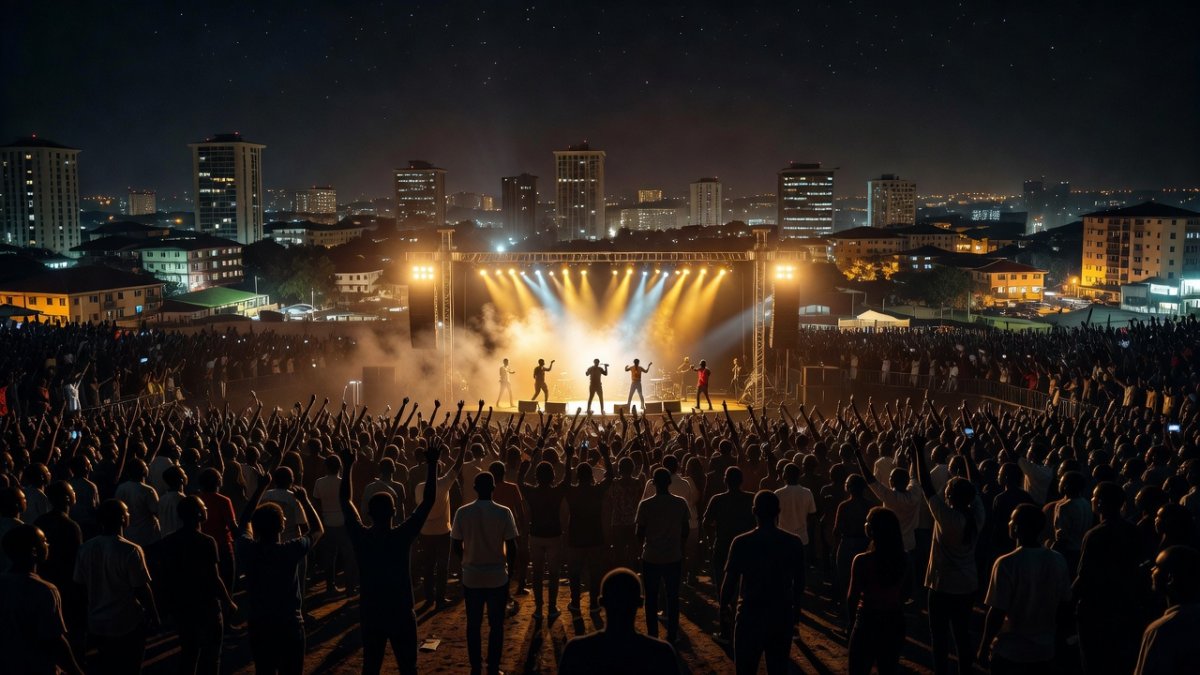
South African singer Tyla has removed Lagos from her world tour schedule after the release of her second album A*POP. The decision follows mounting pressure from Nigerian fans and activists over anti-migrant protests in South Africa that have strained relations between the two countries. The change highlights how quickly cultural events can become entangled in regional political tensions.
Tyla Removes Lagos Stop as SA-Nigeria Tensions Rise
Lagos, Nigeria — South African singer Tyla announced her world tour dates on Monday following the release of her second album A*POP. The initial list on her official website included 34 cities across multiple continents, with Lagos, Johannesburg and Cape Town among the African stops. By Friday an updated version appeared online that no longer featured the Nigerian capital. No official explanation accompanied the revision, yet the change coincided with mounting public pressure inside Nigeria for the 24-year-old artist to reconsider any performance there.
The adjustment highlights how quickly cultural plans can shift when political tensions rise between two of Africa’s largest economies. Fans and commentators in Lagos had already begun questioning whether the concert should proceed, given recent events in South Africa. The removal of the date therefore reflects both commercial caution and the broader climate of uncertainty affecting cross-border artistic exchanges on the continent.
Diplomatic Friction Over Anti-Migrant Protests and Repatriation
Relations between Nigeria and South Africa have deteriorated amid allegations that Nigerians have faced targeted violence during recent protests in South African cities. Nigeria and several other African nations have criticised South African authorities for what they describe as insufficient action against attacks on foreign nationals. At the same time, demonstrations calling for the departure of undocumented migrants have taken place, prompting tens of thousands of foreigners, including many Nigerians, to leave the country on specially arranged repatriation flights.
Across the continent, voices from Nigeria and neighbouring countries have raised concerns about the impact of anti-migrant tensions in South Africa on everyday relations between African nations. These reactions highlight how incidents involving foreign nationals quickly ripple outward, affecting families and communities that have long contributed to South Africa's economy through trade, labour and cultural exchange. Diplomatic efforts to ease the situation included a recent meeting between foreign affairs officials from both countries held in Abuja. Despite these talks, the underlying grievances have continued to influence public sentiment and cultural decisions.
Repatriation efforts carry a human dimension that stretches beyond official announcements. Families separated by sudden returns, workers leaving behind years of established lives, and the quiet strain on transport and support systems all point to the personal costs involved. Such movements echo earlier episodes of anti-foreigner unrest in South Africa, where periodic outbreaks have tested the country's image as a regional hub. The episode underscores how migration disputes can quickly move from government offices into everyday conversations about travel, work and entertainment across the region. At stake is the broader promise of African economic integration. Free movement of people under continental frameworks becomes harder to realise when political friction interrupts the daily connections that artists, traders and families rely upon.
Online Petition and Direct Appeals to Tyla
On Wednesday an online petition titled “Ban Tyla from entering Nigeria until xenophobic attacks stop in South Africa” was launched and quickly gathered thousands of signatures. On the singer’s social media pages, where the original tour dates remain visible, Nigerian users urged her to cancel the Lagos show and criticised her for not publicly addressing the protests in South Africa. Tyla has not responded to requests for comment from BBC Africa.
Lagos stands at the heart of Afrobeats, a scene that draws talent and audiences from across West Africa and beyond. Its venues, studios and street-level energy have turned the city into a gathering point where musicians test new sounds and build cross-border audiences. When an artist cancels a date there, the absence is felt not only by ticket holders but by a wider network that sees live shows as vital links between distant music communities. The petition illustrates how social media has become a direct channel for citizens to voice concerns about regional politics through cultural figures.
Pan-African tours often function as quiet diplomacy, carrying rhythms and stories from one capital to another. South African amapiano and Nigerian Afrobeats have travelled these routes for years, creating shared playlists and collaborative stages that fans treat as evidence of continental closeness. Nigerian listeners therefore view an artist's choice to remain silent during tensions as more than a scheduling decision; it touches the sense of mutual recognition that music tours are meant to strengthen. Supporters of the campaign argue that silence from prominent artists can be interpreted as indifference, while others maintain that musicians should not be expected to resolve diplomatic disputes. From a Senegalese perspective, this attachment makes sense. Music has long served as a thread tying Senegal to Nigeria, Ghana and South Africa through radio waves, festival line-ups and personal playlists. Fans expect artists to acknowledge that bond, especially when political strains threaten to loosen it.
Trevor Noah Faces Similar Criticism Over Tourism Campaign
Comedian Trevor Noah encountered comparable backlash after appearing in an advertisement for the Tourism Business Council of South Africa. Viewers posted comments accusing him of promoting the country while remaining silent on xenophobic attitudes. Some users added context notes beneath the video describing South Africa as unwelcoming to migrants. Reports indicate that several South African artists have already lost performance opportunities elsewhere on the continent as a result of the wider sentiment.
South Africa’s Justice Minister Mmamoloko Kubayi noted in June that one local artist informed her all upcoming gigs had been cancelled. The minister did not name the performer but observed that the national brand suffers when such cancellations occur. The parallel experiences of Tyla and Noah show how quickly public frustration can extend from political leaders to cultural ambassadors.
South African Government Defends Its Record on Arrests
Officials in Pretoria have emphasised that more than 900 people were arrested following the recent protests and that anyone breaking the law faces consequences. They also assert the country’s right to regulate migration. The government maintains that it addresses unlawful actions while balancing domestic concerns over undocumented arrivals.
These statements have done little to calm criticism from neighbouring states. For ordinary citizens in Nigeria and elsewhere, the arrests represent only one part of a larger conversation about safety and belonging. The situation continues to affect daily decisions about travel, business and artistic collaboration between the two nations.
Debate Over Holding Artists Accountable for Political Tensions
Nigerian activist and former presidential candidate Omoyele Sowore argued on social media that anger over the attacks should target political leaders in both countries rather than musicians. He stated that no one should hold a talented artist like Tyla vicariously liable for xenophobic crimes and that performers are not responsible for politicians’ failures unless clear evidence shows they acted as enablers.
African musical traditions have long positioned artists as commentators on public life. In Nigeria, Fela Kuti used his platform to confront authority and document social realities, turning performances into spaces for collective reflection. Similar expectations appear in the griot lineages of Senegal and other West African societies, where musicians carry the responsibility of naming truths and mediating between rulers and communities. Culture journalist Mayowa Idowu told BBC Africa that while the desire for accountability is understandable, directing pressure at artists risks missing the broader issue. He noted that many people have lost faith in governments and are therefore seeking answers elsewhere, yet he described the approach as misguided and potentially hypocritical. Idowu pointed out that the artist in question has previously worked with Nigerian musicians and performed in the country.
These historical roles continue to shape how audiences interpret an artist's response to current events. When tensions rise between countries, listeners often look to musicians for signals of solidarity or distance. The expectation is not new; it grows from generations of practice in which songs served as records of hardship, resistance and shared identity. Today this legacy influences debates about accountability. Fans and observers weigh an artist's silence against the precedent set by earlier generations who treated performance as a form of civic engagement. The discussion reveals how deeply music remains woven into conversations about belonging and responsibility across the continent.
Grammy Success Adds Another Layer to Nigeria-South Africa Rivalry
Tyla’s position at the centre of this discussion follows her earlier Grammy achievements. Earlier this year she won the Best African Music Performance award, defeating four other African artists including three from Nigeria. She had also claimed the inaugural version of the category two years previously. These victories have intensified friendly yet pointed competition between music industries in the two countries.
The creative exchange between Afrobeats and amapiano has driven much of African pop's recent global visibility. Nigerian producers and vocalists have shaped one dominant sound, while South African amapiano collectives have supplied another, each scene pushing the other toward new textures and wider audiences. This competition has largely remained friendly, centred on charts, collaborations and festival bookings rather than outright hostility. The current tour controversy therefore sits within an existing pattern of cultural comparison. Fans on both sides closely track awards, streaming numbers and international bookings. When political tensions rise, these artistic rivalries can quickly become entangled with questions of national pride and regional solidarity.
Tyla's Grammy recognition brought fresh attention to amapiano's reach, placing South African production alongside established Nigerian exports on international stages. The milestone underscored how both genres now function as ambassadors for their countries, carrying distinct rhythms that fans in Lagos, Johannesburg and Dakar recognise as part of a shared modern soundtrack. Even so, moments of political strain can turn this cultural rivalry into something sharper. What usually appears as healthy competition over dance floors and streaming numbers risks being read through the lens of national grievances. The underlying affection between the two scenes, however, suggests that music itself retains the capacity to ease such pressures when artists and audiences choose to keep the conversation open. The outcome of the Lagos date removal may influence how future tours by African artists are planned and promoted across borders.
By Amara Diop, Staff WriterThis article was produced with AI-assisted research and editorial support. Reporting is based on sources cited in the article.
What's Your Reaction?
 Like
0
Like
0
 Dislike
0
Dislike
0
 Love
0
Love
0
 Funny
0
Funny
0
 Wow
0
Wow
0
 Sad
0
Sad
0
 Angry
0
Angry
0
West Africa/Sahel Correspondent at Global1.News. Dakar-based journalist covering politics, security, climate, and development across Francophone and Anglophone West Africa. Tells the stories of a region undergoing profound transformation.










Comments (0)