
US Treasury Vows Unprecedented Economic Measures Against Iran
Treasury Secretary Bessent vows unprecedented economic isolation measures against Iran next week as the Strait of Hormuz closure enters its sixth month. The IEA cut 2026 oil demand by 1.6 million barrels a day, Brent nears $90, and the USS Lincoln crew shows mounting strain.
ATLANTA — The United States is preparing to unleash economic measures against Iran "like have never been seen in the history of economic isolation on a country," Treasury Secretary Scott Bessent said Thursday in a Newsmax interview, signaling a dramatic escalation in the nearly six-month-old conflict that has paralyzed global energy markets.
"Watch this space for more announcements coming next week because we are going to apply measures like have never been seen in the history of economic isolation on a country," Bessent said, according to Reuters, Bloomberg, and Al Arabiya. The Treasury chief framed the coming actions as part of a "one-two punch" that also includes the continued naval blockade of Iran's ports — a blockade that has sealed off the Islamic Republic from seaborne trade since the war began.
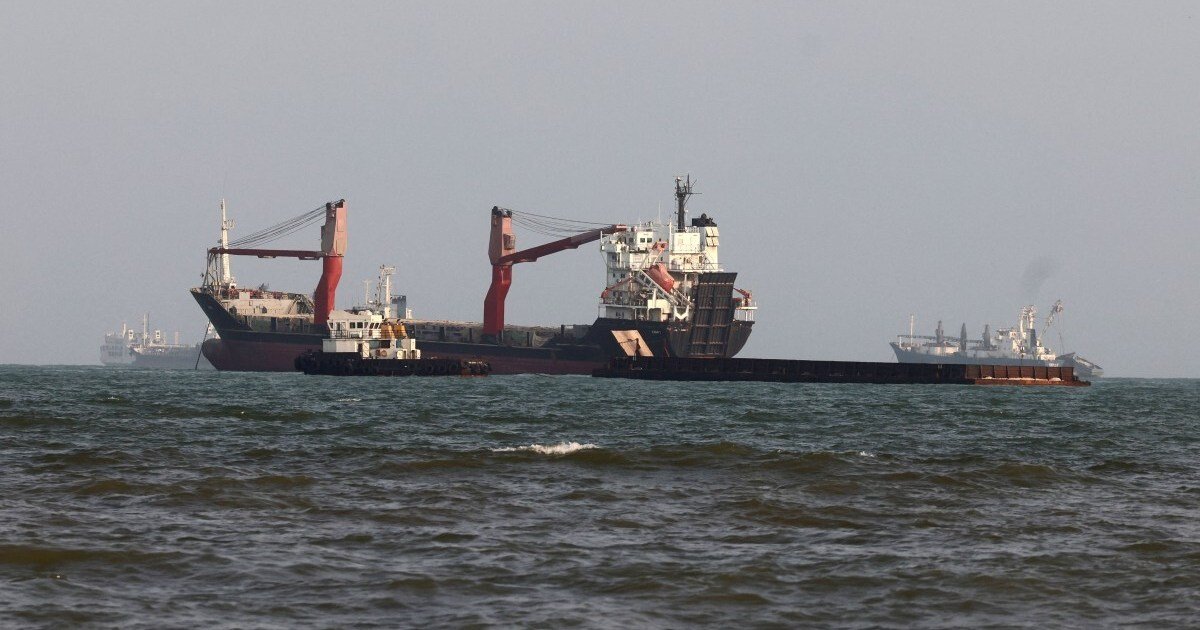
The announcement lands as the Strait of Hormuz — the conduit for roughly 20% of the world's energy supplies and about 25% of global seaborne oil trade — remains effectively closed to Iranian traffic, with just six crude oil tankers exiting the waterway this week, according to Kpler data cited by Al-Monitor. The war, which began with surprise US and Israeli airstrikes on February 28, 2026, is now in its sixth month, and the fallout is rippling through the global economy.
What Bessent's 'Unprecedented' Threat Actually Means
Bessent's language is striking even by the standards of a conflict that has seen the US Navy blockade vessels entering or departing Iranian ports. He did not specify which measures are coming, but "economic isolation" suggests a comprehensive crackdown targeting Iran's remaining revenue streams, its banking sector, and third-party entities still doing business with Tehran.
The "one-two punch" framing is significant: the naval blockade has already strangled Iran's maritime trade, and the new measures appear designed to close off every remaining avenue of financial survival. CENTCOM maintains the blockade does not impede transit to and from non-Iranian ports, but the practical effect has been to isolate Iran from global commerce entirely.
The United States has imposed sanctions on Iran for decades, but Bessent's promise of measures "like have never been seen" suggests something far beyond the existing architecture. Analysts are watching whether the coming announcements target Chinese or Turkish buyers of Iranian oil, or extend to secondary sanctions on financial institutions facilitating remaining trade.
The IEA's Dire Warning: Demand Slashed by 1.6 Million Barrels
The economic stakes became clearer Wednesday, when the International Energy Agency cut its 2026 global oil demand forecast by 1.6 million barrels per day — a downgrade of 510,000 barrels per day from July — citing the continued closure of the Strait of Hormuz and elevated fuel prices deterring buyers, according to Euronews, ChannelsTV, and Xinhua.
The agency also warned that global oil stockpiles are diminishing at a rapid clip, a CNN report confirmed Thursday. That combination — falling demand forecasts alongside shrinking inventories — paints a picture of a market in profound dislocation, with supply constrained by the blockade while high prices destroy demand at the margins.
Brent crude rose more than 2% overnight into Wednesday, taking the international benchmark to close to $90 a barrel, according to Al Jazeera. The price movement came as attacks on shipping dented hopes for a reopening, and Bessent's announcement Thursday could push prices higher still when markets open next week.
Hormuz Tanker Traffic Collapses to a Trickle
The numbers from the strait tell the story of a waterway in near-paralysis. Just six crude oil tankers exited it this week, while 21 vessels entered, mostly via the Iranian route, according to Kpler data cited by Al-Monitor. For a waterway that normally sees dozens of transits daily, those figures represent a catastrophic decline.
The blockade has left the strait physically open for non-Iranian traffic but commercially unviable for many shippers. Insurance rates have soared, and the risk of attack — Iran targeted an Abu Dhabi National Oil Company (ADNOC) tanker on August 8, according to the New Indian Express — has made the passage a high-stakes gamble.
Attacks on ships in both Hormuz and the Bab el-Mandeb strait have continued, according to Asharq Al-Awsat, extending the crisis into the Red Sea approaches — leaving two of the world's most critical maritime chokepoints simultaneously compromised.
Iran-Oman Talks: 'Advanced' But Not a Reopening
Amid the military and economic pressure, diplomatic channels have opened — with significant caveats. Talks between Oman and Iran on the future of shipping in the Strait of Hormuz are at an "advanced stage," Qatar's foreign ministry spokesperson said Tuesday. Iranian Foreign Minister Abbas Araghchi said Saturday the talks were "approaching the final stages" but cautioned "this is not a sign of the reopening of the Strait of Hormuz."
Iran's Foreign Ministry said August 5 it had agreed route coordinates through the strait with Oman, though the joint statement is still being finalized and Oman has not confirmed the agreement, according to LEAP. The distinction matters: Iran appears willing to discuss technical arrangements for limited shipping, but it is not offering to reopen the waterway to normal traffic.
Iran said Monday, according to the New York Times, that any deal with Oman on shipping would not lead to the waterway being fully reopened and that the route would remain closed until the United States agreed to demands including lifting the naval blockade. That puts the two sides on a collision course: Washington's new measures are unlikely to include any concession on the blockade, which Tehran calls the central issue.
The USS Abraham Lincoln: A Carrier at Its Limits
The human cost of the prolonged crisis is becoming impossible to ignore. The USS Abraham Lincoln, an aircraft carrier with a crew of about 5,000 sailors, has been at sea for more than eight and a half months — it sailed from San Diego on November 21, 2025 — and concerns have grown over crew conditions. President Trump has dismissed mental health concerns on board, according to Al Jazeera and Bloomberg, but reports have emerged of a sailor jumping overboard in an apparent suicide attempt, as detailed by WSWS on August 15.
Snopes noted that rumors of numerous sailors attempting to jump overboard were circulating online and being investigated. The carrier, central to enforcing the blockade, is now operating far beyond its normal deployment cycle — and the strain is showing.
The situation raises uncomfortable questions about the sustainability of the US posture. A carrier strike group depends on a crew that is rested, trained, and mentally fit. At more than eight and a half months at sea with no end in sight, the Lincoln's crew is being asked to sustain an unprecedented tempo in one of the world's most dangerous environments.
Global Economic Ripple Effects: Beyond Oil
The crisis is not confined to energy markets. The IEA's downgrade reflects a broader reality: elevated fuel prices are deterring buyers across aviation, manufacturing, and consumer transportation. Every barrel that fails to transit Hormuz represents a cost increase somewhere in the global supply chain.
The closure has also forced nations dependent on Gulf energy — particularly in Asia — to seek alternative sources or pay premium prices. The 1.6 million barrel-per-day demand cut is a direct consequence, and the IEA's warning about shrinking stockpiles suggests the buffer against further disruptions is eroding.
For the United States, the economic measures Bessent promised are a double-edged sword. They may tighten the noose on Iran, but they also risk further destabilizing markets already reeling from the blockade. The "unprecedented" nature of the coming announcements suggests Washington is willing to accept that risk — but the consequences will be felt far beyond Tehran.
What to Watch Next Week
Bessent's promise of announcements "coming next week" sets up a critical period in the crisis. Markets will be watching the specifics — whether the measures target sectors, countries, or financial institutions. Iran's reaction matters equally: Tehran has already shown it will retaliate against shipping, and further economic pressure could provoke a military response.
The Iran-Oman talks could produce a joint statement clarifying the route coordinates agreement — or collapse if Iran insists on the blockade's lifting as a precondition. The IEA's next monthly report will provide fresh data on demand destruction, and oil prices will react to every headline.
And the USS Abraham Lincoln remains at sea, its crew approaching nine months of continuous deployment, with no relief schedule announced. The carrier's condition is not just a humanitarian concern — it is a strategic vulnerability that could shape the next phase of the conflict.
The coming week will test whether Bessent's "unprecedented" rhetoric translates into action, whether the Hormuz closure can be resolved through diplomacy, and whether the global economy can absorb another shock. The stakes could not be higher: 20% of the world's energy supplies, 25% of its seaborne oil trade, and a region on the brink for six months. Watch this space.
By Jessica Ali, Staff Writer
This article was produced with AI-assisted research and editorial support. Reporting is based on sources cited in the article.
What's Your Reaction?
 Like
0
Like
0
 Dislike
0
Dislike
0
 Love
0
Love
0
 Funny
0
Funny
0
 Wow
0
Wow
0
 Sad
0
Sad
0
 Angry
0
Angry
0

Editor-in-Chief at Global1.News. Atlanta-based journalist who cuts through the BS and tells it like it is. Lead anchor, host, and the voice you hear when the spin stops and the truth starts.














Comments (0)