
US Suspends Michoacán Avocado Exports Over Security Alert
US Embassy Issues Level 4 Travel Warning for Michoacán The United States government suspended avocado inspections and shipments from Michoacán on August 5, 2026, after the US Embassy issued a security alert citing a threat against US interests. This action halted all activities by USDA inspectors who certify avocado shipments for export under phytosanitary rules. Without certification, shipments cannot legally enter the United States.
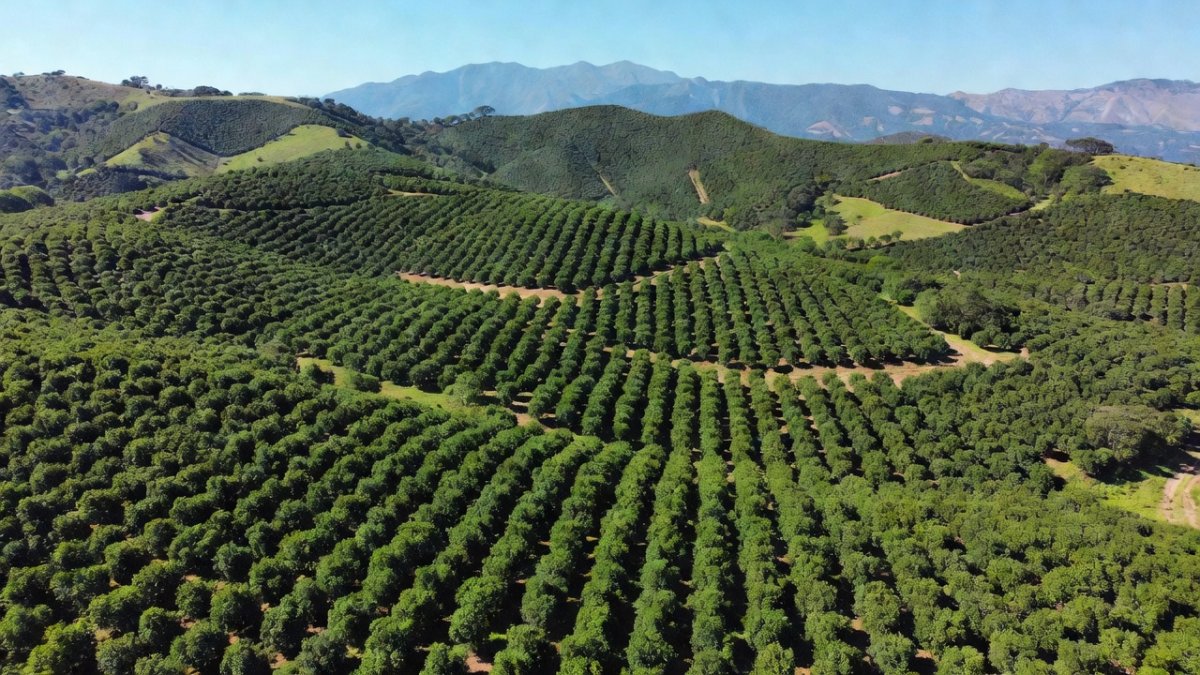
US Embassy Issues Level 4 Travel Warning for Michoacán
The United States government suspended avocado inspections and shipments from Michoacán on August 5, 2026, after the US Embassy issued a security alert citing a threat against US interests. This action halted all activities by USDA inspectors who certify avocado shipments for export under phytosanitary rules. Without certification, shipments cannot legally enter the United States.
The embassy also raised its advisory to Level 4 "Do not travel" for Michoacán, matching warnings for nations such as Afghanistan, Iran, and Lebanon. The State Department pointed to risks of violence from cartels, gangs, and criminal organizations. Avocados already inspected on August 4 continued to ship while fruit processed from August 5 onward must remain at authorized packing facilities.
A USDA spokesperson confirmed that any produce needing on-site APHIS approval in Michoacán without completed approval cannot enter the US at this time. Other shipments from compliant areas continue. Produce Alliance noted enough product in transit to avoid immediate US shortages, though prolonged suspension risks delays.
APEAM, the Association of Avocado Producers and Exporting Packers of Mexico based in Uruapan, shared the suspension notice on its LinkedIn page. Board members and the general director prepared to travel to Mexico City for talks with US officials.
Scale of Michoacán Avocado Trade With the United States
Michoacán supplies 75 to 80 percent of Mexican avocados imported by the United States. In 2025, Mexico exported 1.28 million tons of avocados worth $3.696 billion, with the US taking 87 percent of the total. The first four months of 2026 alone saw 501,824 tons shipped, according to SADER data. These figures highlight how central the state's orchards remain to the entire bilateral supply chain.
Market analysts at Produce Alliance issued alerts noting stable short-term inventories in US distribution centers. They cautioned that extended pauses could affect pricing if volumes from Michoacán do not resume at prior rates. A prolonged halt would force US buyers to seek alternative sources, raising costs for retailers and consumers during peak demand periods.
USDA APHIS officials emphasized that certification remains mandatory for entry. Shipments from other Mexican regions without similar restrictions continued without interruption during the initial days of the alert. Mexican growers in Michoacán watched stored fruit accumulate at packing houses, knowing each lost week reduces revenue for families dependent on timely exports.
The 2025 export value of $3.696 billion demonstrates the economic weight carried by these shipments. Any sustained disruption threatens not only immediate cash flow but also long-term contracts between APEAM members and US distributors who rely on consistent Michoacán supply.
Local Government Response and Job Impacts
Michoacán Governor Alfredo Ramírez Bedolla stated he is coordinating with the US Embassy security team and federal and state agencies to restore operations quickly. The avocado trade supports more than 200,000 jobs across the state. These positions range from orchard workers to packing plant staff and transport drivers who move fruit daily to border crossings.
In a video statement, the governor linked the suspension to recent law enforcement actions that included major arrests, such as the detention of Alfonso N, known as "La Quiringua," a key figure in several municipalities. These operations aim to improve security conditions for export activities. State officials stress that restoring confidence requires visible progress on safety.
APEAM representatives prepared to join the governor's team in Mexico City for direct discussions with US authorities. Their presence underscores the industry's need for swift resolution, as packing houses hold fruit that cannot move without renewed inspector approvals. Federal agencies including SADER have joined these coordination efforts.
Governor Ramírez Bedolla scheduled direct discussions with US Embassy representatives for the morning of August 7 to address remaining concerns and outline security enhancements. Local producers hope these meetings will produce concrete steps that allow inspectors to return without further delays.
Partial Resumption and Diplomatic Developments at August 7 Mañanera
On August 7, the US Embassy announced that official activities would partially resume August 8 in four producing zones: Tancítaro, Tacámbaro, Uruapan municipalities, and the area between Morelia and Pátzcuaro. Ambassador Ronald D. Johnson cited commitments from the Mexican government and deployed security measures. The ambassador described the step as gradual, with continued evaluation of conditions.
This measured approach reflects ongoing dialogue between Washington and Mexico City to balance trade needs with safety concerns for inspectors. Ambassador Ronald D. Johnson stated, "We will continue to evaluate conditions and adjust our operations as appropriate." The phased restart covers only designated municipalities pending further assessments.
The same August 7 mañanera at Palacio Nacional also covered Mexico's resumption of diplomatic relations with Peru. President Claudia Sheinbaum announced that former Peruvian Prime Minister Betssy Chávez would arrive in Mexico that morning under safe conduct, describing the gesture as goodwill from President Fujimori's government while reaffirming Mexico's stance on defending former President Castillo.
Betssy Chávez had remained under protection inside Mexico's embassy before relations broke, later sheltered by Brazil. The restoration allows both nations to refocus on shared cooperation as part of the same diplomatic week that included avocado certification talks. SRE highlighted historic bonds of brotherhood, friendship, and cooperation during the announcement.
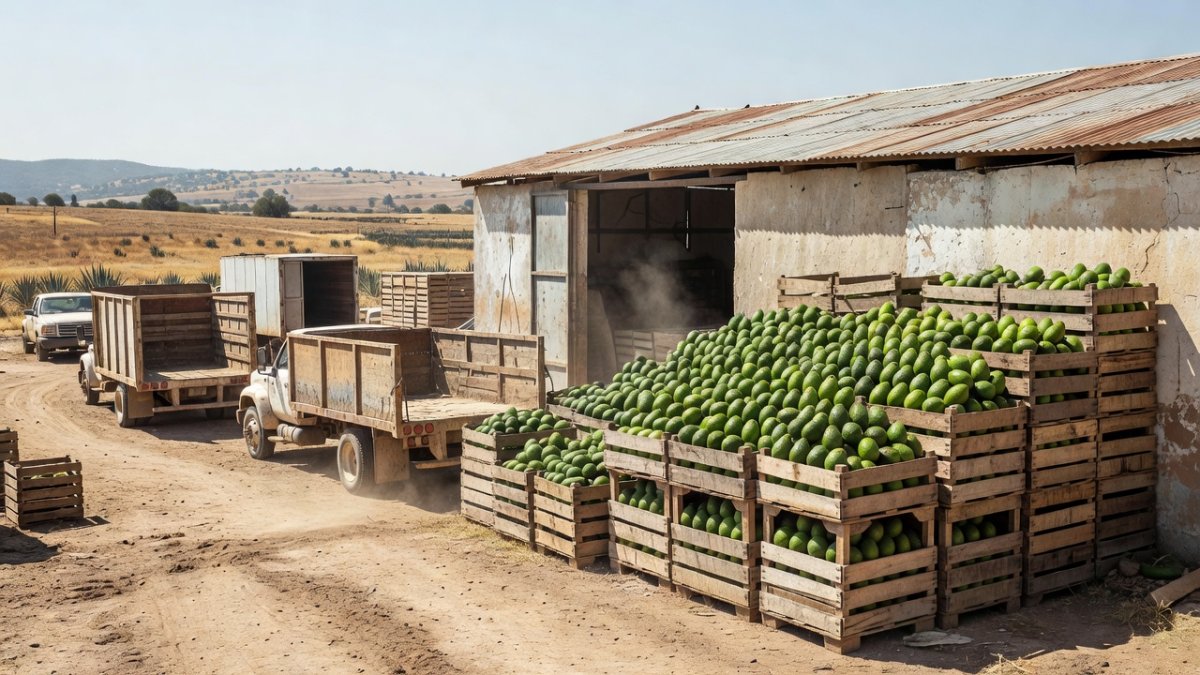
Previous Suspensions Highlight Recurring Security Challenges
This marks the second suspension in two years. In June 2024, operations paused after USDA personnel faced blocked access during protests by indigenous Purépecha communities. Later that year, imports halted for more than a week following assaults on two US inspectors. Each incident underscores the delicate balance between protecting US personnel and maintaining the flow of a crop vital to both economies.
Mexican officials continue to stress cooperation through SEDENA and Guardia Nacional to address root causes of violence in the region. Local authorities in the affected zones have increased coordination with municipal police to support the return of inspectors. Residents in the partial resumption areas noted the phased approach as a step toward stabilizing export schedules.
The June 2024 Purépecha protest suspension left many small growers with ripe fruit that could not reach US markets in time. The later 2024 halt after the assaults on inspectors similarly disrupted weekly payments to ejido families who depend on consistent harvest cycles. State and federal agencies continue to review security protocols ahead of full-scale operations.
These past events show how quickly certification pauses can ripple through Michoacán's economy. Growers recall lost income and delayed school payments during those earlier stops, making the current August 2026 alert a familiar source of anxiety for communities tied to the avocado trade.
Community Impact and Path Forward for Exports
Small-scale growers in Michoacán's ejidos face immediate pressure as fruit remains stored without export certification. Many families rely on weekly payments from packing houses to cover basic needs during the height of the season. Indigenous Purépecha communities that have long participated in the avocado economy now watch their orchards with concern.
Women who work in sorting and packing plants describe the uncertainty as especially difficult for households with children in school. Steady wages from the trade have helped many families move beyond subsistence farming toward greater stability. Officials from both countries continue to meet in Mexico City to address remaining security concerns and restore full inspection capacity.
APEAM representatives stress the importance of clear communication to prevent further market volatility while communities monitor developments from the August 7 mañanera announcements. Growers are watching for updates on expanded zones beyond the initial four municipalities and for any new security commitments that could speed full resumption.
Federal and state agencies on both sides of the border are reviewing protocols to protect inspectors while keeping the supply chain moving. Mexican producers hope the gradual process outlined by Ambassador Ronald D. Johnson will lead to complete operations soon, allowing the 200,000-plus jobs supported by the trade to stabilize once again.
Tags: Michoacán avocado, US Mexico trade, security alert, SADER, APEAM, Sheinbaum, Peru relations, mañanera, USDA APHIS
By Rosa Martinez, Staff Writer
This article was produced with AI-assisted research and editorial support. Reporting is based on sources cited in the article.
What's Your Reaction?
 Like
1
Like
1
 Dislike
0
Dislike
0
 Love
0
Love
0
 Funny
0
Funny
0
 Wow
0
Wow
0
 Sad
0
Sad
0
 Angry
0
Angry
0

Latin America/Andes Correspondent at Global1.News. Based in Bogota, covering politics, environment, energy, and social movements across the Andean region. Passionate about environmental journalism and communities protecting their land.















Comments (0)