
VW, Gotion ramp up battery production in Europe, Morocco amid rising EV demand
Volkswagen Group and Chinese battery specialist Gotion High‑tech have announced a coordinated expansion that will see three new lithium‑ion battery factories rise in Europe and North Africa.
Volkswagen Group and Chinese battery specialist Gotion High‑tech have announced a coordinated expansion that will see three new lithium‑ion battery factories rise in Europe and North Africa. The joint venture, outlined in a recent exchange filing, earmarks a combined investment of €3.22 billion to deliver 37.5 gigawatt‑hours of battery capacity and 100,000 metric tons of cathode material each year. The move reflects both companies’ response to accelerating electric‑vehicle (EV) demand and signals a deepening strategic partnership that could reshape regional supply chains.
Scope of the joint investment
The partnership splits the €3.22 billion outlay evenly, with Gotion committing roughly €1.6 billion and Volkswagen matching that amount. The funds will be allocated to three production sites: one in Spain, one in Slovakia, and a third in Morocco. By sharing the financial burden, both parties aim to mitigate risk while accelerating the rollout of capacity that aligns with projected market growth.
According to the filing, the three plants will be jointly owned, ensuring that both the German automaker and the Chinese battery maker retain equal stakes in the operational outcomes. This joint‑ownership model is intended to harmonise technology transfer, quality standards, and supply‑chain coordination across the disparate locations.
Geographic distribution and strategic rationale
Locating facilities in Spain and Slovakia positions the venture within the European Union, granting direct access to a market that is rapidly tightening emissions standards and expanding EV incentives. The European sites also benefit from established automotive clusters, skilled labour pools, and logistics networks that can feed battery packs to Volkswagen’s assembly plants across the continent.
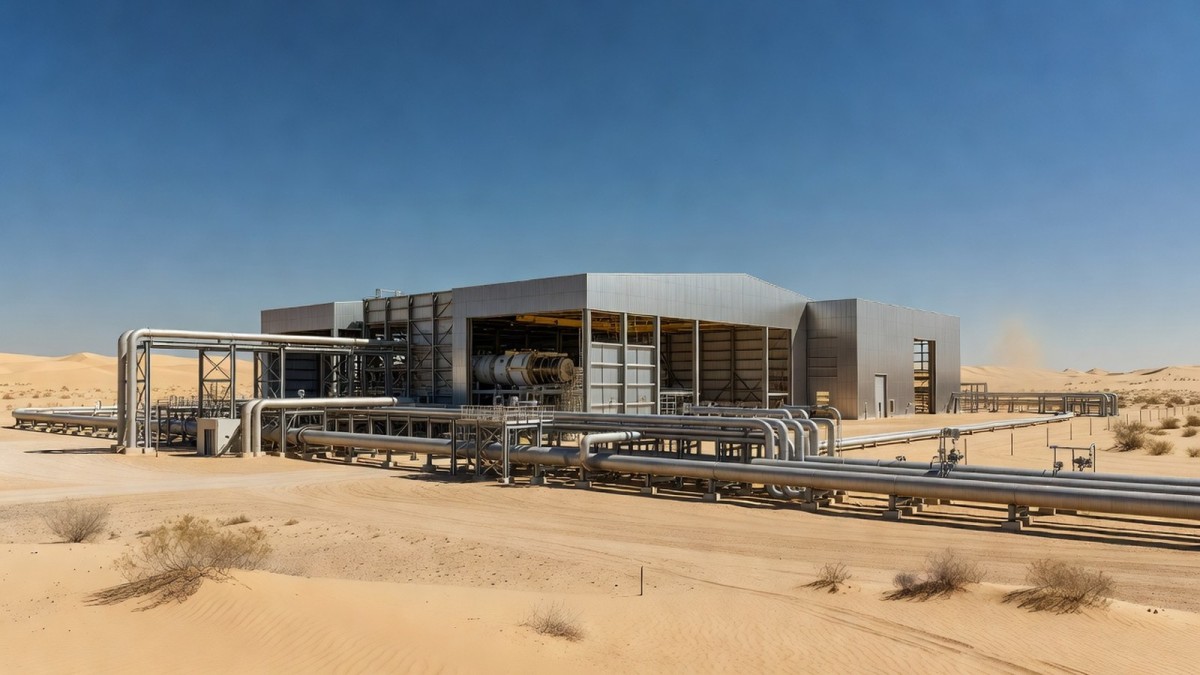
The Moroccan plant, by contrast, taps into North Africa’s growing role as a low‑cost manufacturing hub. Proximity to both European ports and emerging African markets offers a logistical advantage, while the location may also provide a buffer against potential trade disruptions that could affect intra‑EU supply chains.
Production capacity and output expectations
Collectively, the three factories are designed to generate 37.5 GWh of lithium‑ion battery capacity per year. In practical terms, this volume is sufficient to power a substantial number of electric vehicles, reinforcing Volkswagen’s ambition to increase the share of EVs in its global sales mix. The capacity figure also underscores Gotion’s scaling ambitions beyond its domestic market.
In addition to battery cells, the plants will produce 100,000 metric tons of cathode material annually. Cathodes, being a critical and cost‑intensive component of lithium‑ion batteries, represent a strategic choke point in the supply chain. By co‑producing cathodes, the joint venture seeks to secure a reliable feedstock pipeline, reduce exposure to price volatility, and potentially lower the overall cost of battery packs.
Implications for the European EV battery market
The entry of a German‑Chinese joint venture adds a new competitive dimension to an arena already populated by Korean, Japanese, and domestic European players. Existing European battery projects, many backed by government subsidies, will now contend with a partner that brings Gotion’s manufacturing expertise and Volkswagen’s scale.
Because the plants will be situated within the EU, they are likely to qualify for regional incentives aimed at bolstering local battery production. This could give the joint venture a cost advantage relative to imports, while also aligning with European policy goals of reducing reliance on non‑EU battery sources.
Strategic depth of the Volkswagen‑Gotion partnership
Volkswagen’s decision to match Gotion’s €1.6 billion investment reflects a long‑term commitment to the partnership. The two firms have previously collaborated on battery development, and the current expansion is described by Gotion as “in line with … overseas expansion strategy to consolidate our footprint in the global EV battery market while further deepening our long‑term strategic partnership with Volkswagen.” This language signals that the joint venture is not a one‑off transaction but part of a broader roadmap.
By sharing ownership, Volkswagen gains direct insight into battery chemistry and production processes, while Gotion secures a guaranteed off‑take of its output. The symbiotic arrangement could accelerate technology sharing, especially in cathode formulation, where Gotion’s expertise may complement Volkswagen’s push for higher‑energy‑density packs.
Potential challenges and risk factors
Despite the strategic fit, the venture faces several hurdles. Coordinating construction across three jurisdictions demands alignment of regulatory approvals, workforce training, and supply‑chain logistics. Any delay in one site could ripple through the overall production schedule, affecting Volkswagen’s vehicle rollout plans.
Moreover, the partnership must navigate geopolitical sensitivities surrounding Chinese involvement in critical technologies within Europe. While joint ownership may alleviate some concerns, public and political scrutiny could impose additional compliance requirements, particularly regarding technology transfer and data security.
Outlook for the partnership and the broader EV ecosystem
In the short term, the joint venture’s construction phase will dominate attention, with groundbreaking expected to commence later in 2026. Once operational, the combined 37.5 GWh capacity will contribute materially to Volkswagen’s target of delivering a higher proportion of electric models across its global portfolio.
Longer‑term, the collaboration sets a precedent for cross‑border alliances that blend automotive OEM strength with battery‑manufacturing expertise. As EV adoption accelerates, such partnerships may become essential for meeting demand while managing cost pressures. The Spain‑Slovakia‑Morocco trio thus represents both a concrete step toward meeting immediate market needs and a strategic template for future joint ventures in the evolving landscape of sustainable mobility.
This article was produced with AI-assisted research and editorial support. Reporting is based on the source material cited below. Sources: South China Morning Post; scmp.com; Global1.News (29 September 2026).
By Kenji Tanaka, Staff Writer
What's Your Reaction?
 Like
0
Like
0
 Dislike
0
Dislike
0
 Love
0
Love
0
 Funny
0
Funny
0
 Wow
0
Wow
0
 Sad
0
Sad
0
 Angry
0
Angry
0

Japan Correspondent at Global1.News. Tokyo-based voice covering Japanese politics, technology, economy, and culture. Tracks the intersection of tradition and innovation in one of the world's most dynamic societies.













Comments (0)