
US Military Sinks Three Boats Off Ecuador's Coast; Families in Manta Say Crews Were Fishermen
In a DW News report this week, the US military released footage of forces stopping and boarding a vessel in the international waters of the Eastern Pacific, claiming it served as a "floating refueling station" for drug traffickers linked to Ecuador's Los Choneros gang.
In a DW News report this week, the US military released footage of forces stopping and boarding a vessel in the international waters of the Eastern Pacific, claiming it served as a "floating refueling station" for drug traffickers linked to Ecuador's Los Choneros gang. The operation, conducted in coordination with Ecuador's government, was the third such sinking in a single week — but on the docks of Manta, Ecuador's main fishing port, the families of the 28 men brought ashore are telling a very different story.
US Military Sinks Three Boats Off Ecuador's Coast; Families in Manta Say Crews Were Fishermen
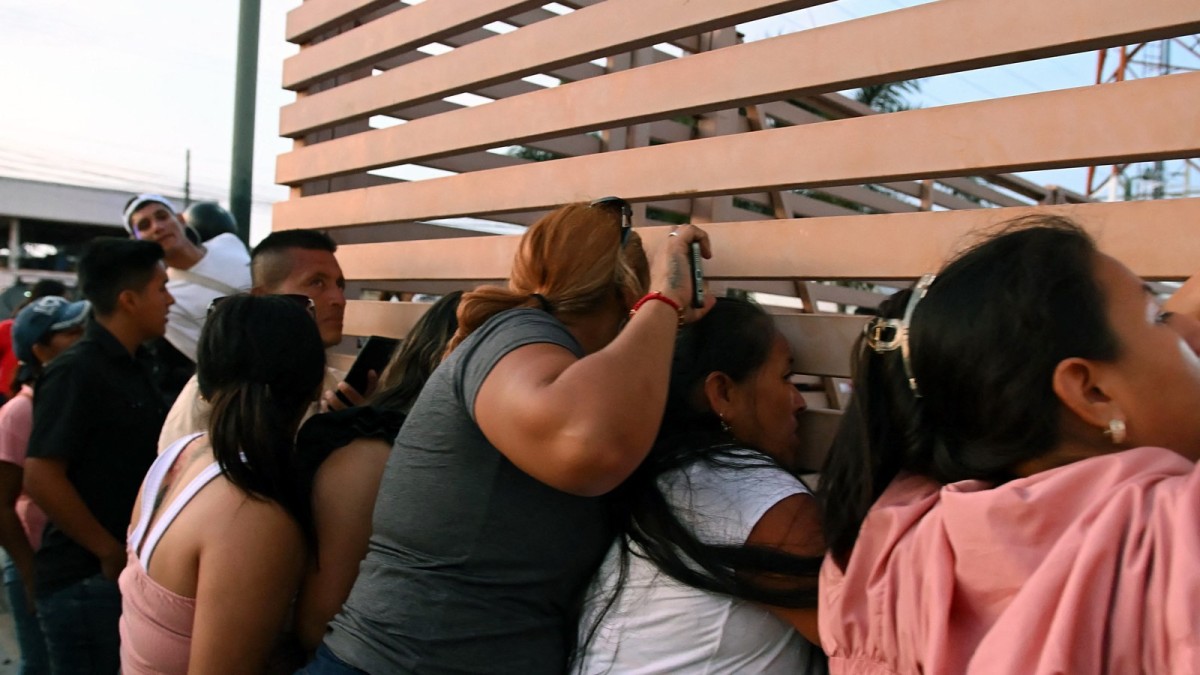
Manta, Ecuador — The United States military destroyed three vessels in the Eastern Pacific this week, saying they were floating gas stations for drug traffickers moving cocaine north toward Mexico and the United States. But as the 28 crew members arrived back in Manta aboard an Ecuadorian coastguard vessel, their wives, sisters, and mothers gathered at the port with a desperate plea: return our fishermen to us.
Three Vessels Sunk in One Week
US Southern Command (SOUTHCOM) said on Thursday, September 3, that it "successfully interdicted a vessel operating as a floating refueling station in support of illicit at-sea drug trafficking operations," in international waters and in coordination with the government of Ecuador. According to SOUTHCOM, US intelligence confirmed the vessel was working with Los Choneros, one of Ecuador's most powerful criminal gangs. "Individuals removed from the vessel will be safely transferred to Ecuadorian authorities. Once cleared, U.S. forces sank the vessel," the command posted on X, alongside video of the boarding that has not been independently verified.
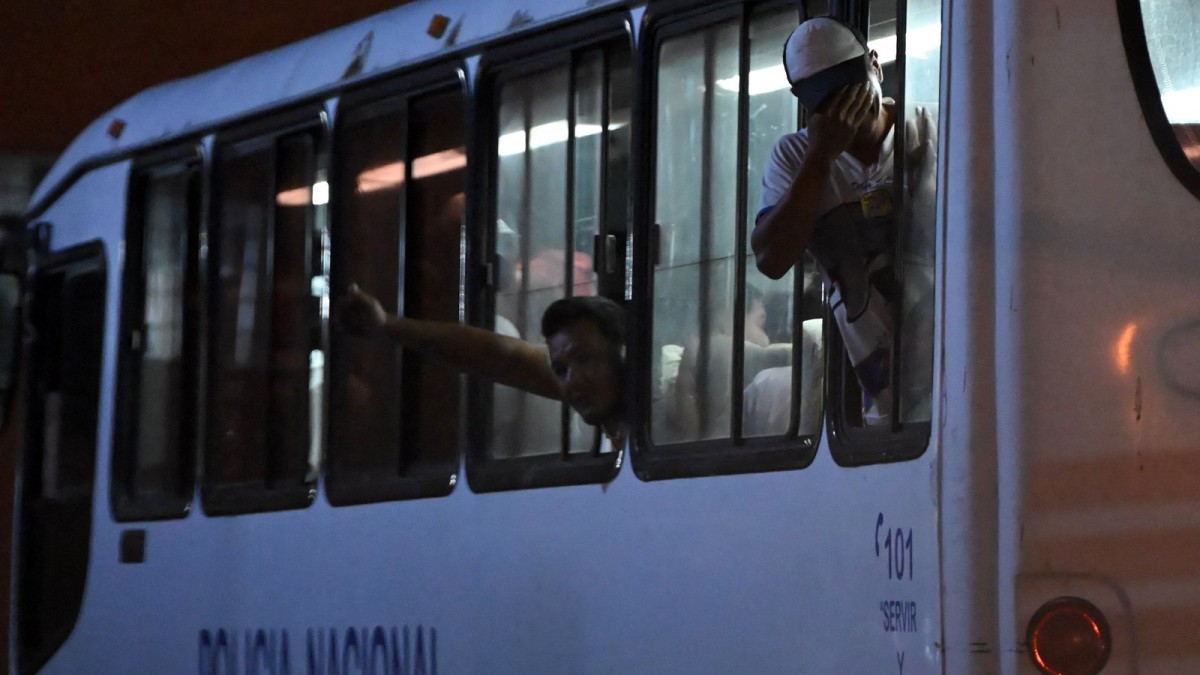
The Thursday interdiction followed two earlier sinkings: one on Friday, August 28, and another on Wednesday, September 2. In total, SOUTHCOM destroyed three boats in the area in a single week. Ecuador's Navy confirmed it received 28 crew members from the vessels sunk on September 2 and September 3, with the men arriving in Manta aboard a local coastguard vessel. The time and location of the video posted by SOUTHCOM have not been independently verified by news organizations.
Families Reject Drug Trafficking Claims
Relatives of some crew members are accusing the US military of acting without evidence, insisting the men on the boats were fishermen who had set out on routine trips. The wife of one crew member told Reuters in a phone interview that the men had been fishing when US forces boarded and that no drugs were found. Her account has not been independently verified, but it echoes a growing chorus of anguish in this coastal city.
Olivia Holguin, sister of one ship's captain, told AFP: "We want answers, we want to know about them, if they are OK." She said the boat had left on a fishing trip and the crew had reported seeing helicopters and military boats approaching. On Friday, September 4, a group of people in Manta waited at the port for news of relatives they said were traveling on the boats targeted in the past two days.
Joy and Despair at the Dock
The arrival of the 28 crew members brought relief to some families but left others still waiting. Ginger Reyes, 35, the wife of the captain of one of the vessels, told AFP: "The captain gathered us together to give us good news that our fishermen are coming back... they're alive, they're okay." For Reyes and others, the return of their loved ones was a moment of pure joy after days of uncertainty.
But for Maria Cueva, the wait continues. She wept as she held a photograph of her 25-year-old son, telling AFP: "I don't know what to do anymore... I can't eat, I can't sleep, thinking about my son. I want them to return him to me." Her son was not among those brought back to Manta this week, and she has received no information from either Ecuadorian or US authorities about his whereabouts.
Ecuador's Government Defends Joint Operations
Ecuador's government, led by right-wing President Daniel Noboa, has defended the interceptions and sinkings as part of joint investigations with Washington targeting drug-smuggling activities linked to criminal gangs. On Friday, Ecuadorian Interior Minister John Reimberg told broadcaster Teleamazonas that the vessels were refueling points for speedboats that move drugs north toward Mexico and the United States. "This is work carried out through international cooperation," Reimberg said.
SOUTHCOM framed the operations as a major victory in the regional drug war. In another post on X, the command wrote: "Working together with our Ecuadorian partners, our coalition dealt a decisive blow to a narco-terrorist operation responsible for moving significant amounts of drugs through the region." It added that "the Americas Counter Cartel Coalition will continue to apply total systemic friction on narco-terrorists."
A Region Caught in the Crossfire
Ecuador sits between Colombia and Peru, the world's two largest producers of cocaine, making it a key transit hub. An estimated 70 percent of cocaine produced in Colombia and Peru transits through Ecuadorian waters and territory before moving north toward Mexico and the United States. Los Choneros, the gang the US says was behind the refueling operation, has documented ties to Mexico's Sinaloa cartel, one of the most powerful trafficking organizations in the hemisphere.
Washington designated Los Choneros as a Foreign Terrorist Organization in September 2025, and in March 2026, Ecuador joined President Trump's "Shield of the Americas," a US-led coalition focused on combating drug trafficking across the region. The operations this week fall under Operation Southern Spear, the US military campaign against maritime drug trafficking launched in September 2025. According to press tallies, US strikes on alleged drug boats in the Pacific and Caribbean have left more than 200 people dead since last year, though no victims have been identified in the strikes.
Fear Grips Manta's Fishing Community
For the working fishermen of Manta, the distinction between a legitimate fishing vessel and an alleged drug boat is a matter of life and death. Fausto Soza, a local fisherman, told AFP: "We're all afraid something might happen to us." Soza said he has not gone out to sea for two months for fear of being targeted by US military forces operating in the region.
The fear is compounded by a series of unresolved disappearances. Dozens of people in Manta have also protested the disappearance of eight fishermen between January and March of this year, which family members and the NGO Human Rights Watch blame on US military personnel. Washington denies any involvement in the disappearance of the eight men. Human Rights Watch reported in July 2026 that civilians faced attacks and abuse in joint US-Ecuador operations, raising serious questions about the conduct of the counter-narcotics campaign.
Legal Questions and Missing Evidence
The US administration has not presented definitive evidence that the vessels targeted in this week's operations were carrying or transporting illegal drugs. The administration has claimed the US is in a "non-international armed conflict" with drug-trafficking organizations, according to an unreleased memo obtained by US media. Earlier DW reporting has noted legal experts' concerns that some US strikes on alleged drug boats could violate the laws of military warfare, which require clear distinctions between combatants and civilians.
SOUTHCOM maintains that its intelligence confirmed the vessels' links to Los Choneros, and that the crews were safely transferred to Ecuadorian authorities before the boats were sunk. But with no drugs found aboard the vessels, and with families insisting their loved ones were simple fishermen, the burden of proof remains a contentious issue. The US says the operations are coordinated with Ecuador's government, yet the families in Manta say they have received no answers from either side.
What to Watch For
The 28 crew members returned to Manta are now in the custody of Ecuadorian authorities, and their legal status remains unclear. Families are demanding transparency about the conditions of their detention and any evidence linking the vessels to drug trafficking. The US administration has not indicated whether it will release additional intelligence to support its claims about the boats' connections to Los Choneros.
Meanwhile, the broader Operation Southern Spear campaign continues, with the Americas Counter Cartel Coalition vowing to maintain pressure on alleged trafficking networks. For the fishing families of Manta, the question is whether their government and its US ally can distinguish between the drug war and the daily struggle of honest fishermen trying to make a living. As Maria Cueva clutched her son's photograph, her words captured the anguish of a community caught between two wars: "I want them to return him to me."
By Rosa Martinez, Staff Writer
This article was produced with AI-assisted research and editorial support. Sources: DW News, Reuters, AFP, Al Jazeera.
What's Your Reaction?
 Like
0
Like
0
 Dislike
0
Dislike
0
 Love
0
Love
0
 Funny
0
Funny
0
 Wow
0
Wow
0
 Sad
0
Sad
0
 Angry
0
Angry
0
Latin America/Andes Correspondent at Global1.News. Based in Bogota, covering politics, environment, energy, and social movements across the Andean region. Passionate about environmental journalism and communities protecting their land.












Comments (0)