
Russell Brand Convicted of Rape and Three Sexual Assaults
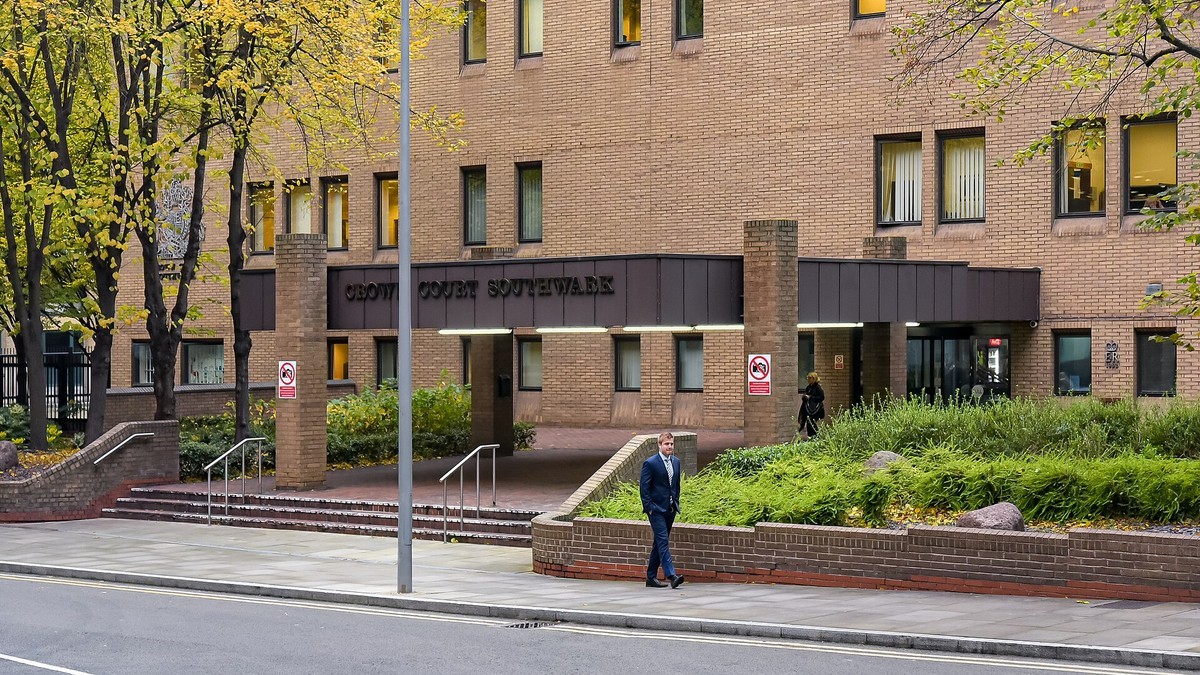
Russell Brand was convicted of one count of rape and three counts of sexual assault at Southwark Crown Court on 5 November 2026. He was acquitted of two rape counts and one attempted indecent assault, and was remanded in custody to be sentenced on Monday.

Russell Brand stood in the dock at Southwark Crown Court on Thursday and heard the word "guilty" four times. A jury convicted him of one count of rape and three counts of sexual assault. Folks, this is the moment the man who built a career on saying anything finally ran out of things to say.
Russell Brand Convicted of Rape and Three Sexual Assaults
LONDON, England — November 5 — The verdicts came after a four-week trial at Southwark Crown Court on seven charges spanning 1999 to 2009 and concerning six women. Brand, 51, had been free for the duration of it. By Thursday afternoon he was not. A jury of eight men and four women took more than eight hours across two days to reach its decisions, and when those decisions came, the man who once sang "I am the news, I am the news tonight" became the story in the worst way available. Four of the six women got convictions. Two did not. That distinction matters, and we will get to it.
The Verdict
Here is what the jury decided. Four guilty verdicts. Three not guilty. The split tells you this was not a rubber stamp. The convictions covered offences between 2004 and 2009 and concerned four women, according to the Crown Prosecution Service. Brand denied everything from the start and pleaded not guilty to every count. He had been free while the trial ran. He is free no longer. Mr Justice Joel Bennathan remanded him in custody after the verdicts, which means the man who spent two decades broadcasting from studios and stages was taken into custody from the dock. The judge has already made his thinking clear about what comes next, and we will get to that too.
Four Convictions, Four Women
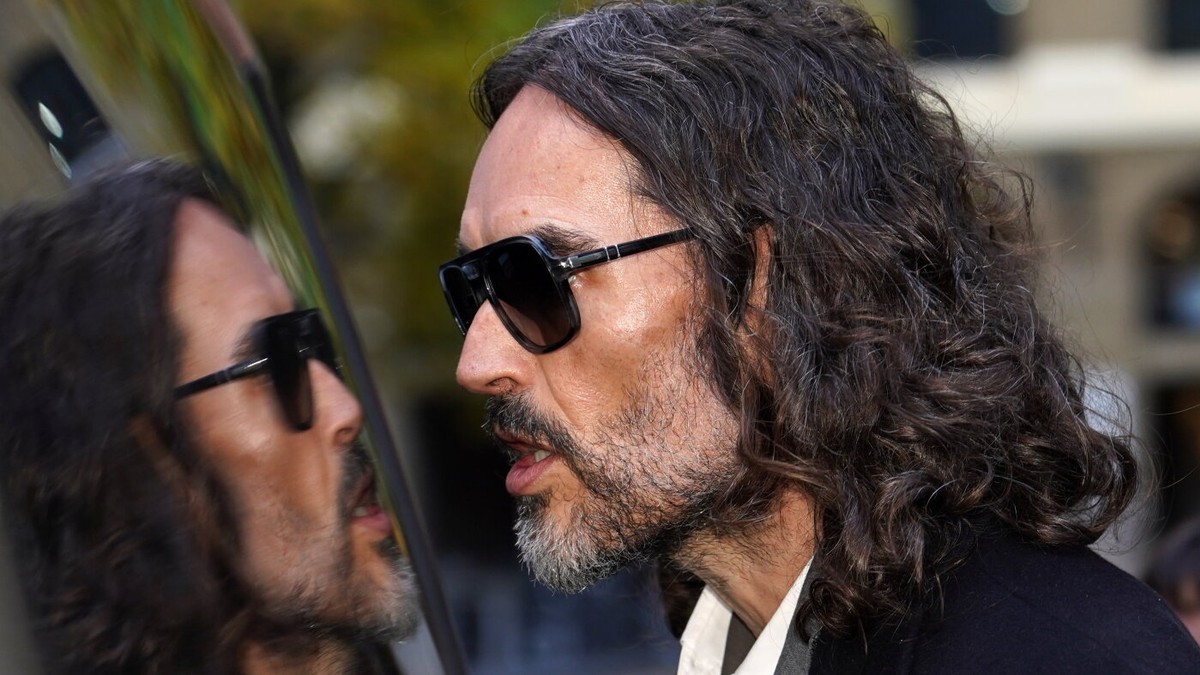
The BBC's charge-by-charge account sets out what he was convicted of. The first is sexual assault: in the summer of 2004, at a birthday party in a bar in London's Soho neighborhood, Brand grabbed a woman's breasts. The jury cleared him of orally raping the same woman in a toilet at that bar. The second is sexual assault at the Choice FM studios in London, in either 2004 or 2005. He grabbed her face and kissed her, then touched her breasts and bottom. The third is rape. In 2009, after meeting a woman at a comedy show in Hammersmith, he anally raped her at his then-home in London. The fourth is sexual assault, also in 2009, while he was working on a Channel 4 project: he laid his head into the groin area of a woman working with him, without her consent. Four women. Four convictions.
What the Jury Did Not Accept
Look at the acquittals, because they are part of this story and pretending otherwise would be dishonest. The jury cleared Brand of raping a woman at a hotel in Bournemouth in 1999, during the Labour Party's annual conference, where he had been performing at a cabaret show where he met her. They cleared him of orally raping a woman in a toilet at a London bar, the same woman from the first conviction. And they cleared him of attempted indecent assault, an allegation that he grabbed a woman's arm and pulled her towards a toilet in 2001. The prosecution had argued a pattern. The jury accepted much of that pattern and rejected parts of it. That is how a trial works. Twelve people weighed seven allegations stretching across a decade and came back with a split. The four convictions stand. The three acquittals stand. Both are the verdict.
The Courtroom Went Silent
The room went quiet when the verdicts came down. Four weeks of evidence, and then seven verdicts read out one after another. Brand stood straight and still in the dock as all seven were announced. He closed his eyes at the rape count and otherwise gave nothing away. Then the judge sent him down. Brand gestured to his lawyers that he was fine, and said "I'm good, I'm good, I'm good" as he was taken away. As he left the dock he mouthed the same words to his defense counsel. His wife Laura was not in the public gallery at that stage, though she had come to court with him that morning. The man said he was good. The court had just decided otherwise.
The Case the Prosecution Actually Made
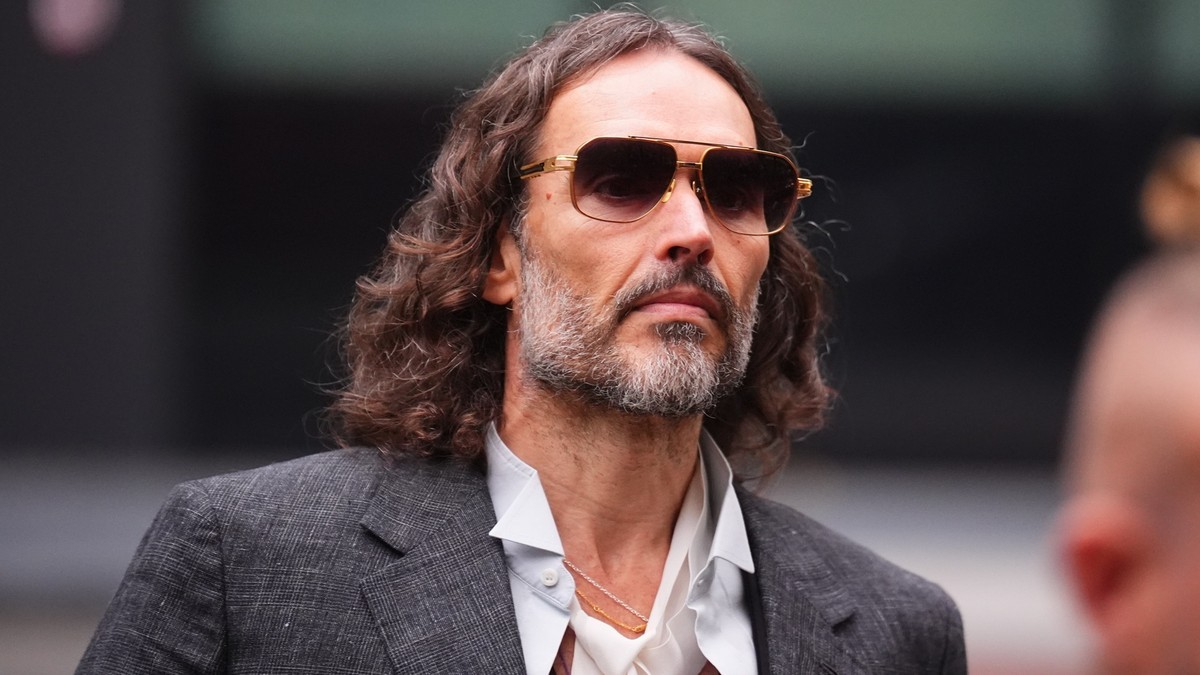
David Roberts, a senior crown prosecutor with the CPS London Rape and Serious Sexual Assault Unit, did not mince words. "Russell Brand was predatory and used his celebrity status to commit sexual crimes," he said. "He was a manipulator with an insatiable desire to get what he wanted regardless of whether consent was given or not." Roberts said the tactics varied but the center of every assault was an abuse of power and sexual greed. The prosecution's opening speech, delivered by Riel Karmy-Jones, described a man childlike in his expectation that his every desire should be met. She called him a ruthless, calculating, manipulative sexual predator. The evidence was limited by the years that had passed, so prosecutors built the case around pattern, drawing together the women's accounts and the testimony of witnesses. One of Brand's own friends described him as a womanizer and an expert pick-up artist, a man who said he wanted to bed five thousand women and had rules for it. One rule: "all you have to do is tell them what they need to hear."
Brand in the Witness Box
Brand took the stand in his own defense. He told the jury he was obsessed with sex as a young man, that he had led a promiscuous life, but that he had never forced anyone to do something against their will. "My entire life has been consumed by these events, these allegations, these accusations," he said. He told the court that friends and colleagues had abandoned him, and that no one with relevant evidence was willing to testify on his behalf. His wife Laura, 39, the daughter of European Ryder Cup golf captain Bernard Gallacher, appeared as a character witness. "Russell is caring, he's kind, he's a wonderful father to our children, he's an amazing attentive husband," she said. "I love him very much." The defense argued the complainants were undermined because they went to police years after the alleged assaults and only after a 2023 documentary aired containing anonymous allegations against Brand. The jury heard he was of previous good character, aside from a cannabis possession conviction three decades old, which they were told to ignore.
What the Judge Told Him
Mr Justice Joel Bennathan did not waste words. "Sit down Mr Brand," he said. Then this: "You've been convicted of a number of offences including rape. The consequence of that is inevitably a significant custodial term. My current view is that I therefore have to remand you into custody." He added: "Given the verdict on count six at least, obviously a custodial sentence of some length will result." The judge also said the case had been very well prepared. Brand's lawyers asked for bail so he could see his children before sentencing. The judge refused, citing the possibility that Brand might flee. So the man who once interviewed a would-be prime minister on his YouTube channel now sits in custody awaiting a date with a judge who has already told the courtroom that a significant custodial term is coming. Monday, half past ten. That is when we find out what significant means.
How Long a Sentence Is This, Really
Here is what the law says, and here is what it does not. Rape carries a maximum of life imprisonment. Sentencing Council guidelines say custodial sentences vary from four to 19 years depending on the circumstances. Sexual assault ranges from a community order to a maximum of 10 years. The judge will weigh aggravating and mitigating factors, including vulnerability and previous convictions. Because there are multiple convictions, he must apply the totality principle, reflecting all the offending, the overall harm and culpability. Sentences can run concurrently or consecutively. What we do not know is the number. The judge has not given an indication beyond significant. Anyone who tells you they know the term is guessing. The prison categorization and allocation will be decided by Prison Service staff at the Ministry of Justice. High-profile prisoners are sometimes held in vulnerable prisoner units or segregated wings if staff believe they are at risk. That is the framework. Monday is the answer.
What Can Now Be Reported
The BBC reports that it can now be published that Brand is being investigated over further rape allegations made by two women. That reporting restriction was lifted after the verdicts came in. Read that again. Two more women. A separate investigation, still open, still unresolved. Nothing about that investigation is settled by Thursday's verdicts, and nothing about Thursday's verdicts is settled by that investigation. They are separate things. But the fact that it can now be reported at all is part of the consequence of this day. The six complainants in this trial are entitled to lifelong anonymity under British law. That protection does not lapse because a verdict came in. It does not lapse because a man is famous. It does not lapse because the story is now public. That is the law, and it exists for reasons this case has just demonstrated.
From 'I Am the News' to This
Russell Brand grew up in Grays, a small town in Essex about 20 miles east of London. He moved to London at 16 for stage school and was expelled a year later. He did years of stand-up in small rooms, landed a presenting job at MTV in 2000, and got his big break hosting a Big Brother spin-off on Channel 4. He married Katy Perry in 2010 in a Hindu ceremony in Rajasthan, a wedding he told the court brought staggering fame. It was over in 14 months. The BBC sacked him in 2008 over the lewd voicemail he and Jonathan Ross left for Andrew Sachs; it caused a crisis at the corporation and made him more famous. Hollywood followed, and in 2011 two of his films topped the US box office. Ed Miliband, then the opposition leader, sat down for an interview with him before the 2015 election. Today he has more than 10 million followers on X. He told this trial he had devoted much of his life to reckless philandering and idiocy. On Thursday, a jury decided that some of what he called philandering was rape.
By Jessica Ali, Staff Writer
This article was produced with AI-assisted research and editorial support. Sources: Crown Prosecution Service, BBC News, Associated Press, Reuters, CBS News, NPR, The Independent and NME. Photographs: Associated Press; James Manning/PA Images via Getty Images; Jorge Franganillo (CC BY 2.0). Cover: Global 1 News editorial image.
What's Your Reaction?
 Like
0
 Dislike
0
 Love
0
 Funny
0
 Wow
0
 Sad
0
 Angry
0

Editor-in-Chief at Global1.News. Atlanta-based journalist who cuts through the BS and tells it like it is. Lead anchor, host, and the voice you hear when the spin stops and the truth starts.














Comments (0)