
US-Iran War: Trump Says Tehran Not Ready for Deal as Hormuz Stalemate Deepens
The US-Iran diplomatic truce has collapsed as the 60-day Islamabad MoU expired without extension. Trump vows crushing sanctions while Iran calls them a declaration of war. Hormuz remains blocked, oil hovers near $91.
Diplomatic Truce Collapses as 60-Day Window Expires Without Progress
The fragile diplomatic truce between the United States and Iran has officially collapsed, with the 60-day ceasefire window expiring on August 17, 2026, without a follow-on agreement, an extension, or even active negotiations. The Islamabad Memorandum of Understanding, electronically signed on June 17 and brokered by Pakistan Prime Minister Shehbaz Sharif, has failed to produce the comprehensive deal both sides envisioned when the physical signing was planned for June 19 in Geneva.
President Donald Trump signaled the breakdown in stark terms on August 22, telling reporters that Iran is "not ready to make the right deal" to end the war, while insisting he is in "no hurry" as talks stall. The statement, carried by Al Jazeera's live blog, effectively confirms that the diplomatic track has gone cold, with neither Washington nor Tehran showing willingness to return to the negotiating table in the immediate term.
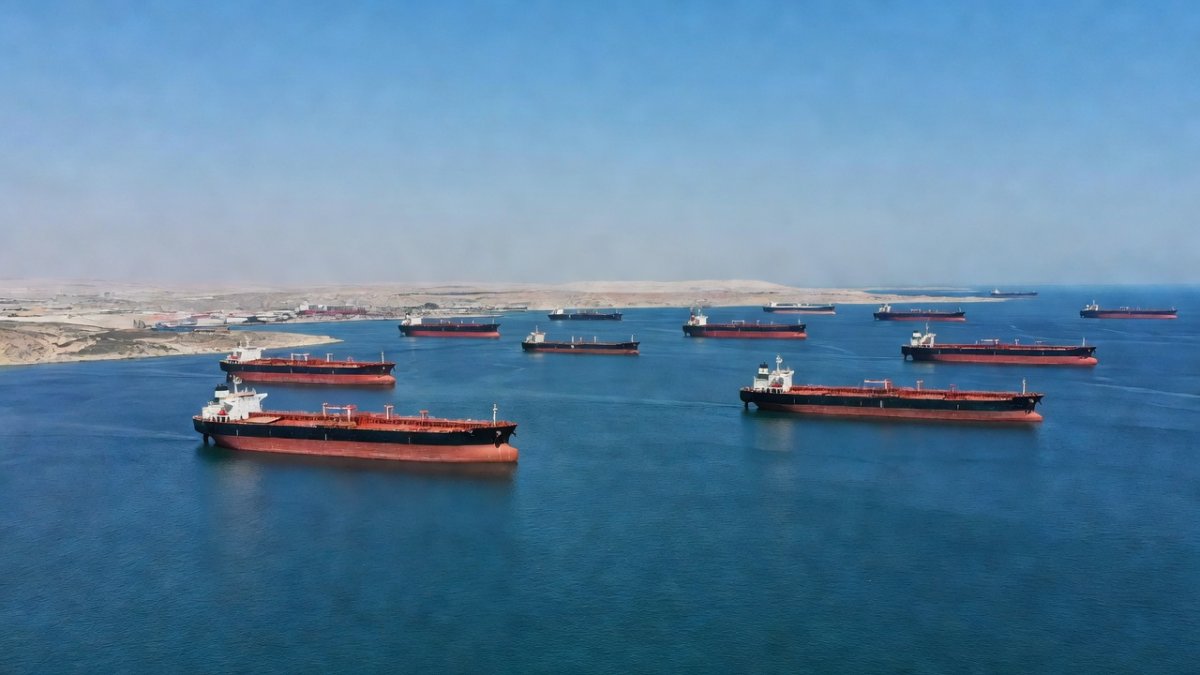
The collapse leaves the region in a precarious position. The Strait of Hormuz remains largely closed to commercial shipping, with only a handful of "friendly" vessels permitted passage since Iran's early March closure. The war, which began February 28 following US-Israeli airstrikes that killed several Iranian officials including Supreme Leader Ali Khamenei, shows no signs of winding down despite the enormous human and economic costs already incurred.
Trump Vows 'Most Crushing Economic Operation' Against Iran
In a dramatic escalation of the economic front, President Trump has vowed to launch what he described as the "most crushing economic operation ever taken against any country" in response to Iran's refusal to accept US terms. The announcement, made alongside new US economic sanctions, signals that Washington intends to intensify pressure rather than seek compromise in the wake of the failed MoU.
Vice President JD Vance reinforced the administration's position, stating that economic pressure is "the most effective tool that we have." The administration's strategy appears to be one of maximum coercion, betting that sustained financial pain will eventually force Tehran to capitulate to American demands, which include compensation for what Trump calls "50 years" of alleged damages and responsibility for deaths across Lebanon, Syria, Yemen, and Gaza.
Trump has explicitly demanded that Iran be held "responsible for damages and deaths caused to the people of Lebanon, Syria, Yemen and Gaza," a sweeping condition that Tehran has categorically rejected. Iranian officials have countered by tying any reopening of the Strait of Hormuz to US concessions, including war reparations, creating a circular diplomatic impasse where neither side will move first.
Iran Calls New Sanctions a 'Declaration of War' on All Nations
Iran's Foreign Ministry spokesperson Esmaeil Baghaei delivered a blistering response to the new US sanctions, characterizing them as a "declaration of war" not just on Iran but on the entire international community. In remarks carried by Iran's Fars news agency on August 21-22, Baghaei described the measures as "an attempt by the United States to exert extraterritorial sovereignty over all independent UN member states."
The Iranian framing is significant, as it seeks to internationalize the dispute and rally other nations against what Tehran portrays as American overreach. By casting the sanctions as an attack on the sovereignty of all UN member states, Iran is attempting to build a coalition of resistance against US economic pressure, particularly among non-aligned nations and major importers of Iranian oil.
Baghaei's rhetoric reflects a hardening of the Iranian position even as President Masoud Pezeshkian pushes for an end to the war. The tension between Iran's diplomatic overtures and its confrontational messaging highlights the internal struggle between pragmatists seeking a negotiated settlement and hardliners who view any concession as surrender to American pressure.
Pezeshkian Urges War's End From Position of 'Power and Dignity'
Iranian President Masoud Pezeshkian has emerged as the voice of pragmatism in Tehran, publicly urging an end to the war while pushing back against hardliners who advocate continued confrontation. In an August 21 address carried by semi-official ISNA and reported by Bloomberg, Pezeshkian argued, "It would be better to end the war today, when we have power and dignity, and with the whole world acknowledging our victory."
The Iranian president's domestic address defended the expired Islamabad Memorandum of Understanding, insisting that Iran must end the war from a position of "power and dignity" without surrendering to American demands. His remarks represent a delicate balancing act, acknowledging the costs of continued conflict while rejecting any appearance of capitulation to Washington.
Pezeshkian's position is complicated by the internal political dynamics of Iran, where hardliners view the MoU as a betrayal of the late Supreme Leader Khamenei's legacy. The president's push for a negotiated end to the war places him at odds with factions that believe Iran should continue fighting until it achieves a more decisive victory, even as the country's economy strains under the weight of sanctions and the closure of its primary oil export route.
Strait of Hormuz Remains Crippled as Shipping Collapses
The economic impact of the Hormuz closure is becoming increasingly severe, with shipping through the strait slowing to a trickle. Data from the straits.live tracker shows that only approximately 1 ship transited the waterway on August 9, compared to a normal daily average of roughly 73 vessels. More than 150 tankers remain anchored, unable to move their cargo through the world's most critical energy chokepoint.
The Strait of Hormuz carries roughly 20% of global oil, representing about $500 billion in annual trade. The disruption has sent shockwaves through energy markets, with Brent crude rising as much as 1.1% to $91.85 per barrel on August 18, the highest level in more than three weeks. Prices have hovered in the $89-91 range through the August 19-22 window as hopes for a rapid reopening faded.
Shipping rates, insurance premiums, and refinery margins are all rising sharply as the disruption continues. Tanker operators face escalating costs for war risk insurance, while refiners scramble to secure alternative supplies. The prolonged closure is forcing a fundamental reassessment of global energy supply chains, with implications that extend far beyond the immediate conflict zone.
China Resists US Pressure But Faces Physical Blockade Limits
The People's Republic of China is actively resisting US efforts to economically isolate Iran, according to the Institute for the Study of War's August 21 Iran Update. Beijing has maintained its economic engagement with Tehran, refusing to join Washington's maximum pressure campaign and continuing to purchase Iranian oil through whatever channels remain available.
However, ISW analysts note that Chinese economic engagement cannot offset the blockade if Iran cannot physically supply its largest oil customer. The closure of the Strait of Hormuz presents a logistical challenge that no amount of diplomatic support can overcome, as tankers simply cannot reach Chinese ports without transiting the blocked waterway or finding alternative routes that do not currently exist at scale.
This dynamic creates a complex geopolitical picture in which China's political support for Iran is constrained by physical realities. While Beijing can provide financial assistance and diplomatic cover, it cannot replace the lost oil revenues that Iran desperately needs to sustain its war effort and maintain domestic stability. The blockade thus represents a strategic vulnerability for Tehran that no ally has yet been able to address.
Regional Fronts Remain Active as Israel-Hezbollah Clashes Continue
While the diplomatic focus remains on the US-Iran standoff, regional fronts continue to burn. Israeli strikes on southern Lebanon on August 15 killed 11 people, including three children and two women, in one of the deadliest attacks since the June truce. The Lebanese Ministry of Health reported seven killed in Ansar with three injured, and four killed with nine wounded in Deir Al Zahrani.
Israel said the raids responded to a Hezbollah attack that seriously wounded at least three IDF soldiers, continuing the cycle of retaliation that has characterized the northern front throughout the conflict. The strikes underscore the fragility of the June truce and the difficulty of maintaining any ceasefire while the underlying tensions remain unresolved.
Meanwhile, Iran's national police released footage on August 21 of weapons purportedly seized after a clash between border guards and an armed group trying to enter Iran illegally across the Pakistan border. The incident highlights the multiple security challenges facing Tehran even as it manages the external war, suggesting that the conflict's pressures are generating instability on multiple fronts simultaneously.
Oil Markets Brace for Extended Disruption as Diplomatic Hopes Fade
Energy markets are increasingly pricing in a prolonged disruption to Hormuz traffic, with Brent crude maintaining its elevated levels above $89 per barrel. The August 18 spike to $91.85 marked the highest price in more than three weeks, reflecting growing pessimism about the prospects for a near-term reopening of the strait.
The economic stakes are enormous. With approximately $500 billion in annual trade flowing through the chokepoint, every week of closure represents billions in lost commerce and rising costs for consumers worldwide. Insurance premiums for tanker operators have surged, and shipping rates continue to climb as the risk premium associated with Hormuz transit remains elevated.
Refinery margins are also under pressure as processors compete for alternative crude supplies, particularly from the United States and other non-Gulf producers. The disruption is reshaping global energy trade flows, with implications for everything from gasoline prices at the pump to the strategic calculations of major oil-consuming nations. As the diplomatic impasse continues, the world's most critical energy chokepoint remains effectively closed, with no clear path to resolution in sight.
The coming weeks will be critical in determining whether the United States and Iran can find a way back to the negotiating table or whether the conflict will escalate further. With Trump vowing unprecedented economic pressure and Iran characterizing the sanctions as a declaration of war, the rhetoric on both sides suggests that the path to peace remains long and uncertain. The human and economic costs of continued confrontation are mounting daily, yet neither Washington nor Tehran appears willing to blink first.
By Jessica Ali, Staff WriterThis article was produced with AI-assisted research and editorial support. Reporting is based on sources cited in the article.
What's Your Reaction?
 Like
0
Like
0
 Dislike
0
Dislike
0
 Love
0
Love
0
 Funny
0
Funny
0
 Wow
0
Wow
0
 Sad
0
Sad
0
 Angry
0
Angry
0

Editor-in-Chief at Global1.News. Atlanta-based journalist who cuts through the BS and tells it like it is. Lead anchor, host, and the voice you hear when the spin stops and the truth starts.













Comments (0)