
Shopify debuts Canvas, a way to build online stores by chatting with AI
Shopify just dropped Canvas, an AI‑driven site builder that lets merchants assemble a full‑blown store by chatting with an assistant called Sidekick. On paper it sounds slick – you type a request, watch the code change in real time, and the result appears on the screen.
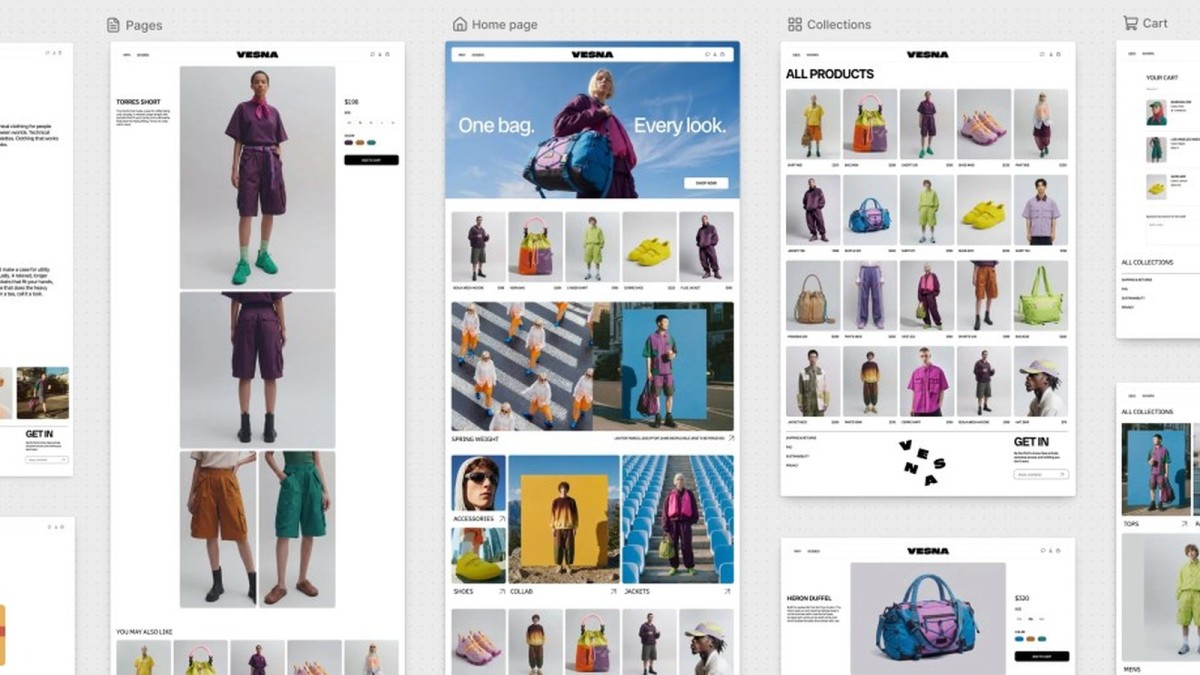
Shopify just dropped Canvas, an AI‑driven site builder that lets merchants assemble a full‑blown store by chatting with an assistant called Sidekick. On paper it sounds slick – you type a request, watch the code change in real time, and the result appears on the screen. In practice, it’s another step in the industry’s relentless push to replace human developers with “no‑code” wizardry, and it raises a host of risk questions for anyone running an independent hosting operation.
What Canvas actually does
Canvas replaces Shopify’s existing no‑code builder, which already let merchants rearrange sections and blocks within a theme. The new twist is that you no longer need to click‑drag; you simply type a command to Sidekick and watch the changes roll out. The AI edits the store’s real code, not just a preview layer, and the interface updates in real time so you can see the final output as it happens.
Sidekick isn’t brand‑new – it’s already been used to write code, build apps, and tweak themes. What’s new is the packaging: a single chat window that drives the entire site‑building experience, with the ability to zoom, pan, and inspect the live code as it evolves. Merchants can still click individual elements to make manual tweaks, but the expectation is that most will just tell Sidekick what they want.
Why the hype matters to hosting providers
From a hosting perspective, the shift from modular theme editors to AI‑driven code manipulation is a red flag. Shopify had to “simplify the theme architecture” so Sidekick could understand and modify the files. That simplification often means fewer custom hooks, less granular control, and a tighter coupling between the platform and its underlying code base. For independent hosts, that translates to a higher risk of lock‑in – you’re forced to run a Shopify‑specific stack if you want to support customers using Canvas.
Moreover, the AI is editing live production files. Any bug in Sidekick’s logic or a mis‑interpreted command can corrupt a store’s theme, potentially taking the site offline. In my own data centre, we’ve seen a single malformed CSS rule bring down a client’s checkout flow for hours. When the code is generated on‑the‑fly by an AI, the margin for error widens, and the burden of recovery falls squarely on the host.
Missing pieces in the early launch
Shopify openly admits Canvas is “desktop‑only” and that several critical features are absent at launch. Third‑party theme support, app blocks, extensions, multi‑market handling, translations, rollout controls, and theme updates are all off‑limits for now. That means merchants who rely on any of those capabilities are stuck with the old builder or forced to wait for Shopify to roll them out.
From a risk‑management angle, those gaps are where you’ll see the most friction. A merchant using a third‑party theme that isn’t yet compatible with Canvas will have to either revert to the legacy editor or abandon the theme entirely. That creates churn, support tickets, and potential revenue loss – all of which can cascade back to the hosting layer if the merchant’s site becomes unstable during the transition.
The broader AI‑site‑builder wave
Canvas isn’t an isolated experiment. It joins a growing field of AI‑powered builders from Wix, Squarespace, Webflow, Framer, and newer vibe‑coding platforms like Lovable and Replit. The common thread is the promise of “build a site without code.” While that sounds attractive to small merchants, the underlying technology is still in its infancy, and the hype often masks the operational realities.
In my decade of running production servers, I’ve seen every “no‑code” promise eventually hit a wall when you need custom logic, complex integrations, or performance tuning. The AI tools tend to generate generic, bloated code that can be a nightmare to optimise. For hosting providers, that means higher CPU and memory usage per site, and a greater chance of hitting resource limits during traffic spikes.
Business‑risk lens for independent hosts
For an independent hosting provider, the arrival of Canvas forces a strategic decision: do you support Shopify stores built with AI, or do you double‑down on more open platforms where you retain control? Supporting Canvas means you must understand Shopify’s simplified theme architecture and be prepared to troubleshoot AI‑generated code. That requires staff with niche Shopify expertise – a costly investment for a small host.
On the flip side, ignoring Canvas could leave you out of the fast‑growing merchant segment that Shopify is courting. Those merchants will likely gravitate toward Shopify’s own hosting ecosystem, which already offers tight integration with Canvas. The result is a potential loss of market share for any host that doesn’t play nicely with the new AI workflow.
Actionable steps for founders
First, audit your current Shopify hosting pipeline. Identify where you rely on custom theme hooks or third‑party apps that Canvas currently doesn’t support. Those are the immediate pain points you need to mitigate, either by building fallback processes or by advising merchants to stay on the legacy builder until support arrives.
Second, invest in training for your support team on Sidekick’s capabilities and limitations. Knowing how the AI interacts with theme files will let you diagnose issues faster and reduce downtime for clients.
Third, diversify your portfolio. While keeping an eye on Canvas, continue to nurture clients on more open platforms – WordPress, Ghost, or self‑hosted static site generators – where you retain full control over the code base and can offer more predictable performance.
Looking ahead
Shopify’s Canvas is a clear signal that AI‑driven site building is moving from novelty to mainstream. The promise of “build a store by chatting” will undoubtedly lower the barrier to entry for new merchants, but it also introduces new layers of technical risk that hosting providers can’t afford to ignore. The early‑stage nature of the product – limited to desktop, missing key integrations, and reliant on a simplified theme architecture – means the rollout will be messy, and the fallout will be felt across the hosting ecosystem.
Bottom line: treat Canvas as a pilot program, not a turnkey solution. Keep your servers robust, your support staff sharp, and your client mix diversified. That’s the only way to survive the AI‑builder wave without getting caught in a lock‑in nightmare.
— Allan Ali, Founder
This article was produced with AI-assisted research and editorial support. Reporting is based on the source material cited below. Sources: TechCrunch; techcrunch.com; Global1.News (02 October 2026).
By Allan Ali, Global1.News
What's Your Reaction?
 Like
0
Like
0
 Dislike
0
Dislike
0
 Love
0
Love
0
 Funny
0
Funny
0
 Wow
0
Wow
0
 Sad
0
Sad
0
 Angry
0
Angry
0

Publisher of Global1.News. Automation architect, systems builder, and the guy making sure the truth gets published.















Comments (0)