
Troops foil Fulani bandits kidnap attempt in Kaduna
In the predawn hours of Friday, October 2, 2026, soldiers of Nigeria’s Sector 7 under Operation Enduring Peace intercepted a kidnapping plot on the Godogodo–Gidan Waya road in Jema’a Local Government Area of Kaduna State.
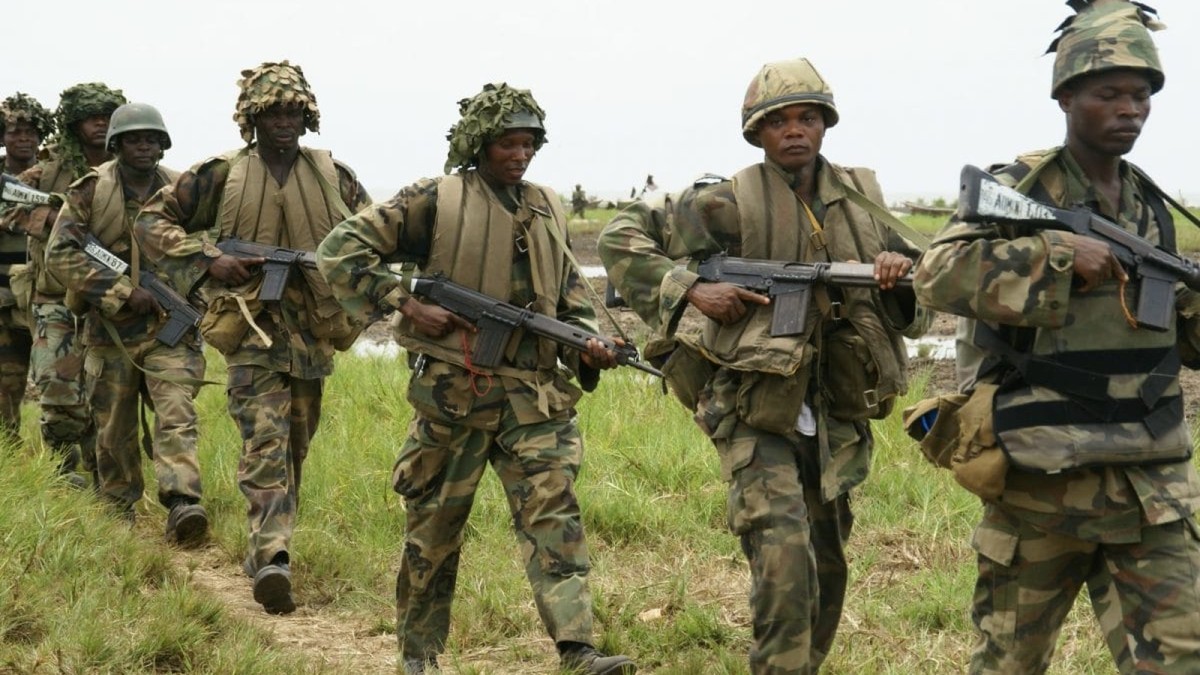
In the predawn hours of Friday, October 2, 2026, soldiers of Nigeria’s Sector 7 under Operation Enduring Peace intercepted a kidnapping plot on the Godogodo–Gidan Waya road in Jema’a Local Government Area of Kaduna State. The swift response not only thwarted the abduction but also rescued a local man known only as Baba, who suffered gunshot wounds during the clash. The incident, first reported on the social media platform X by security analyst Zagazola Makama, underscores the persistent threat of Fulani banditry in the north‑central region and highlights the evolving role of the Nigerian armed forces in counter‑insurgency operations across the Lake Chad basin.
Background to the operation
Sector 7 forms part of the broader Operation Enduring Peace, a multi‑year initiative launched by the federal government to restore stability to Nigeria’s volatile northern states. The operation integrates infantry units, intelligence assets and community liaison teams to confront a range of security challenges, from banditry and kidnapping to the lingering insurgency of Boko Haram and its offshoots. In recent years, Kaduna State has been a focal point for these efforts, given its strategic position linking the central plateau to the Lake Chad region.
Within this framework, troops are routinely deployed to remote outposts such as the one at Godogodo, where they maintain a rapid‑reaction capability. According to the source material, a report of an attempted abduction reached the Godogodo detachment shortly before midnight, prompting an immediate deployment to the scene. The timing—just after 12:09 a.m.—suggests that the bandits were operating under the cover of darkness, a common tactic intended to exploit limited visibility and reduced civilian presence on rural thoroughfares.
The incident on the Godogodo–Gidan Waya road
The Godogodo–Gidan Waya road is a vital artery for local commerce and movement of people between villages in Jema’a LGA. On the night in question, suspected Fulani bandits attempted to seize a civilian target, a method that has become increasingly prevalent as criminal groups seek ransom revenue to fund their operations. Security sources, as cited by Makama, indicated that the troops arrived swiftly after the distress call, disrupting the kidnapping attempt before the perpetrators could complete their plan.
The rapid interdiction forced the assailants to abandon their pursuit and flee the scene. While the exact number of bandits involved was not disclosed, the description of “suspected kidnappers” aligns with the typical composition of Fulani bandit groups, which often operate in loosely organized bands of several individuals, sometimes armed with small arms and improvised weapons. Their retreat underscores the deterrent effect of a visible and responsive security presence on the road.
Rescue and medical care for the victim
Among those caught in the crossfire was a man identified only as Baba. He sustained gunshot wounds during the confrontation, a grim reminder of the human cost of these encounters. Troops promptly evacuated Baba to the General Hospital in Gidan Waya, where he received medical treatment. The hospital, a key health facility for the surrounding rural communities, has previously handled casualties from bandit attacks and communal clashes, reflecting the broader strain on health services in conflict‑prone areas.
The prompt medical evacuation demonstrates the integration of security and humanitarian response mechanisms within Operation Enduring Peace. By ensuring that victims receive timely care, the armed forces aim to mitigate the long‑term social fallout of violence, a strategy that also seeks to win the confidence of local populations who might otherwise be alienated by the presence of armed actors.
Implications for Fulani banditry in Kaduna
The thwarted kidnapping adds to a growing list of incidents attributed to Fulani bandits in Kaduna State. While the source material does not provide a statistical tally, the pattern of attempted abductions along rural roads has been widely reported across northern Nigeria. These groups often exploit the porous nature of the terrain and the limited reach of law enforcement in remote districts.
Security analysts, including Makama, have warned that the persistence of such attacks signals an adaptive threat landscape. Bandits increasingly target civilians for ransom, a shift from earlier tactics focused solely on cattle rustling and resource theft. The incident at Godogodo–Gidan Waya therefore illustrates a broader trend: the commodification of kidnapping as a revenue stream for armed groups, a development that complicates counter‑insurgency strategies which must now address both criminality and ideological extremism.
Operational response and ongoing pursuit
Following the rescue, troops have launched a tracking operation to locate the fleeing suspects. While the source material does not detail the methods employed, standard practice in such pursuits involves coordinated patrols, aerial reconnaissance and the use of local informants. The emphasis on “efforts were ongoing to track down and apprehend the fleeing suspects” indicates a commitment to not only reactively respond but also to pursue perpetrators to deter future attacks.
The pursuit aligns with the broader mandate of Operation Enduring Peace, which seeks to dismantle the operational capabilities of bandit groups through sustained pressure. By refusing to let attackers escape unscathed, the security forces aim to send a clear message that kidnapping will carry tangible consequences, thereby reducing the calculus of potential abductors.
Community impact and the road ahead
For the residents of Jema’a LGA, the incident is a stark reminder of the precarious security environment that frames daily life. The successful rescue of Baba, however, offers a measure of reassurance that the state is capable of protecting its citizens when alerts are raised promptly. Community leaders have historically played a pivotal role in reporting suspicious activity, and the early warning that reached the Godogodo troops underscores the importance of civilian‑security collaboration.
Looking forward, the continued presence of armed patrols on key routes like the Godogodo–Gidan Waya road will be essential. The strategic placement of troops at outposts such as Godogodo enables rapid reaction, a factor that proved decisive on October 2. Moreover, sustained investment in medical infrastructure, exemplified by the role of General Hospital Gidan Waya, will remain critical in addressing the humanitarian fallout of security incidents.
Regional significance and the broader security narrative
The incident in Kaduna is not isolated; it reflects a regional security challenge that spans the Lake Chad basin, where Fulani pastoralist communities, armed militias and insurgent groups intersect. The involvement of Zagazola Makama, a counter‑insurgency expert familiar with the Lake Chad dynamics, highlights the interconnected nature of security threats across state borders. Strategies that succeed in Kaduna may inform approaches in neighboring Borno, Yobe and even across the frontier into Cameroon and Niger.
In the wider African context, the fight against kidnapping and banditry resonates with similar challenges faced by other nations grappling with the convergence of crime and insurgency. Nigeria’s experience, particularly the operational lessons from Sector 7’s rapid response, offers a case study in how a coordinated military‑civilian response can mitigate the impact of non‑state armed actors. As the nation continues to navigate these complex security waters, the October 2 incident stands as both a warning of the persistent threat and a testament to the capacity of well‑deployed forces to protect civilians and uphold the rule of law.
This article was produced with AI-assisted research and editorial support. Reporting is based on the source material cited below. Sources: Daily Post Nigeria; dailypost.ng; Global1.News (02 October 2026).
By Sarah Okafor, Staff Writer
What's Your Reaction?
 Like
0
Like
0
 Dislike
0
Dislike
0
 Love
0
Love
0
 Funny
0
Funny
0
 Wow
0
Wow
0
 Sad
0
Sad
0
 Angry
0
Angry
0

Africa Correspondent at Global1.News. Based in Lagos, covering politics, business, technology, and culture across the continent. Focused on telling African stories beyond the headlines — the innovation, entrepreneurs, and communities shaping the region's future.














Comments (0)