
Palestinians from Gaza rebuild in Mexico City through food
When the first light of dawn brushes the rooftops of Condesa, a quiet ritual begins on the bustling streets of Mexico City. From Gaza’s Skies to Mexico’s Streets Abed’s daily routine is punctuated by a visceral response to any loud noise.
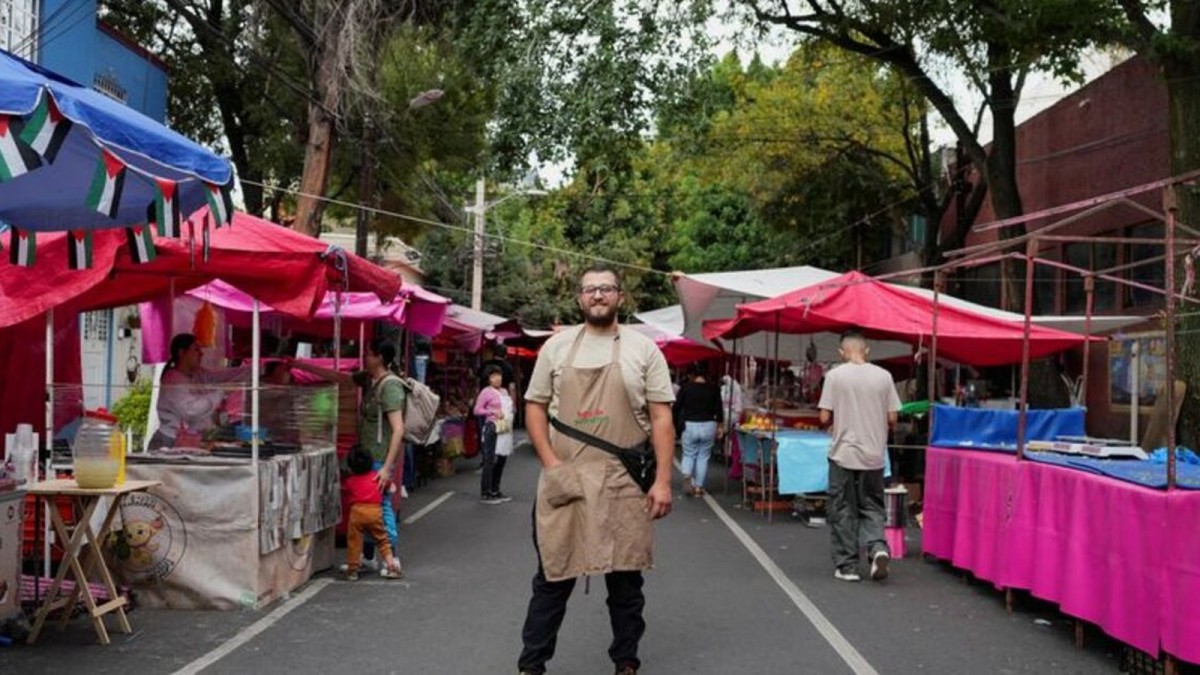
When the first light of dawn brushes the rooftops of Condesa, a quiet ritual begins on the bustling streets of Mexico City. Mohammed Abed, a 36‑year‑old systems engineer from Gaza, loads his motorized tricycle with plates of hummus, baba ganoush, falafel, shawarma and kebab, preparing to serve a taste of home to a curious and compassionate crowd. The clatter of his wheels and the aroma of cumin and tahini mingle with the city’s own rhythm, yet each overhead plane and summer thunderstorm pulls his mind back to the harrowing sounds of the 2025 Israeli bombing campaign that claimed his four‑year‑old daughter.
From Gaza’s Skies to Mexico’s Streets
Abed’s daily routine is punctuated by a visceral response to any loud noise. “In Gaza, during the war, hearing a plane meant that something terrible could happen at any moment,” he explains, his voice steady despite the lingering trauma. The echo of aircraft over Mexico City’s sky, while far removed from the conflict zones, still triggers a physical reaction that he cannot control. Yet the same planes also symbolize the journey that brought him and his extended family to this new land.
His father, Kamal Abed, had left Gaza more than a decade ago, seeking refuge from the recurring cycles of violence. After obtaining Mexican citizenship, Kamal became the family’s anchor abroad. When the war erupted in 2023 and intensified in 2025, Kamal spearheaded a desperate effort to evacuate his kin. A 2024 trip to Egypt to arrange their departure ended tragically when he suffered a fatal heart attack, leaving the task to his son Shadi. With the assistance of Mexican civil organisations and asylum lawyers, Shadi secured travel authorisation for 18 family members, navigating a complex web of paperwork that ultimately led them through Jordan and Turkey before arriving in Mexico City in May 2025.
A Tiny Community Grows
Official figures indicate that roughly 160 Palestinians now reside in Mexico, a number that has roughly doubled since 2022. This modest community forms part of the broader displacement of nearly 1.9 million people forced from their homes since the war in Gaza began in 2023. While the majority remain within the territory or have resettled in neighbouring Egypt and Jordan, a small but determined fraction, like the Abed family, have made the long trek to the Americas.
For the Abeds, the move was not merely a change of address but a transformation of identity. Upon arrival, each family member obtained permanent residency, laying the groundwork for a new generation rooted in Mexican soil. In May, Mohammed’s youngest son, Yusuf, was born, automatically granting him Mexican citizenship while his heritage remains tethered to Gaza.
Food as a Bridge Between Worlds
Abed’s market stall in Condesa has become more than a point of sale; it is a cultural outpost where the flavors of Palestine meet the curiosity of a cosmopolitan neighbourhood. Customers are drawn not only by the authenticity of the dishes but also by the poignant story behind them. “Little by little, Abed has become known among customers who enjoy his dishes and are moved by his story,” a market vendor notes, reflecting how personal narratives can deepen culinary appreciation.
Beyond weekdays, Abed expands his reach to a Sunday market, and when not selling, he assists his wife in preparing larger banquet‑style meals for special occasions. This family‑run enterprise underscores how displaced populations often rely on informal economies and cultural capital to rebuild livelihoods in host societies.
Social Media and a New Generation of Voices
Abed’s younger brother, Fadi, has leveraged the power of social media to amplify their culinary venture. Under the handle hijo.de.palestina, he has amassed a following of 48,000, sharing videos of his food business in heavily accented Spanish. This digital presence not only draws customers but also humanises the Palestinian diaspora, offering a relatable narrative to a Mexican audience.
The brothers’ complementary approaches—Mohammed’s on‑the‑ground market presence and Fadi’s online outreach—illustrate a broader trend among refugees who blend traditional trades with modern platforms to navigate new economies. Their success highlights how cultural entrepreneurship can serve as a conduit for integration while preserving heritage.
Challenges of Resettlement and Ongoing Aspirations
Despite the strides made, the Abed family’s journey is far from complete. Mohammed is actively seeking avenues to bring his two sisters from Gaza to Mexico, a process that remains fraught with bureaucratic and geopolitical hurdles. The lingering uncertainty underscores the protracted nature of displacement, where families are often split across continents for years.
“I don’t like politics,” Mohammed says, emphasizing his desire for a peaceful, ordinary life. Yet his personal narrative is inseparable from the larger political context that forced his displacement. The ongoing conflict continues to shape the lives of those who have fled, influencing their legal status, family reunification prospects, and emotional well‑being.
Economic Contributions and the Host Society
The Abed family’s entrepreneurial activities contribute modestly but meaningfully to Mexico’s informal economy. By selling traditional Palestinian dishes, they diversify the culinary landscape of Condesa, attracting both locals and tourists seeking authentic street food experiences. Their presence also fosters cross‑cultural dialogue, as patrons learn about Gaza’s plight through conversation and shared meals.
Moreover, the family’s integration illustrates how refugee populations can become assets to host societies when given the space to practice their trades. Their story aligns with broader observations that displaced individuals often bring skills, work ethic, and cultural richness that can invigorate local economies, especially in sectors like food service that thrive on diversity.
Looking Forward: Resilience Amid Uncertainty
As the sun sets over Mexico City, the hum of traffic fades into the evening, but the memory of distant bombings remains etched in Mohammed’s mind. Yet each satisfied customer, each Instagram like, and each newborn Mexican citizen bearing a Gaza‑born heart signals a step toward healing. The Abed family’s narrative—rooted in loss, perseverance, and culinary passion—offers a microcosm of the broader Palestinian diaspora’s struggle to rebuild lives far from home.
In the coming months, the family hopes to welcome more relatives, expand their food business, and perhaps, one day, return to a Gaza where the sound of planes no longer heralds danger. Until then, their tricycle will continue to navigate the streets of Condesa, delivering not just food, but a reminder that even amidst displacement, cultural identity and human dignity endure.
This article was produced with AI-assisted research and editorial support. Reporting is based on the source material cited below. Sources: Al-Monitor; al-monitor.com; Global1.News (02 October 2026).
By Hannah Berg, Staff Writer
What's Your Reaction?
 Like
0
Like
0
 Dislike
0
Dislike
0
 Love
0
Love
0
 Funny
0
Funny
0
 Wow
0
Wow
0
 Sad
0
Sad
0
 Angry
0
Angry
0

Israel Correspondent at Global1.News. Based in Tel Aviv, covering Israeli politics, security, technology, and society. Provides balanced, deeply-sourced reporting on one of the most closely-watched regions in the world.












Comments (0)