
Barbados Cancer Society investing in new 3D breast ultrasound system
Barbados is set to boost its fight against breast cancer with a cutting‑edge piece of medical technology that promises to speed up screening and sharpen early detection.
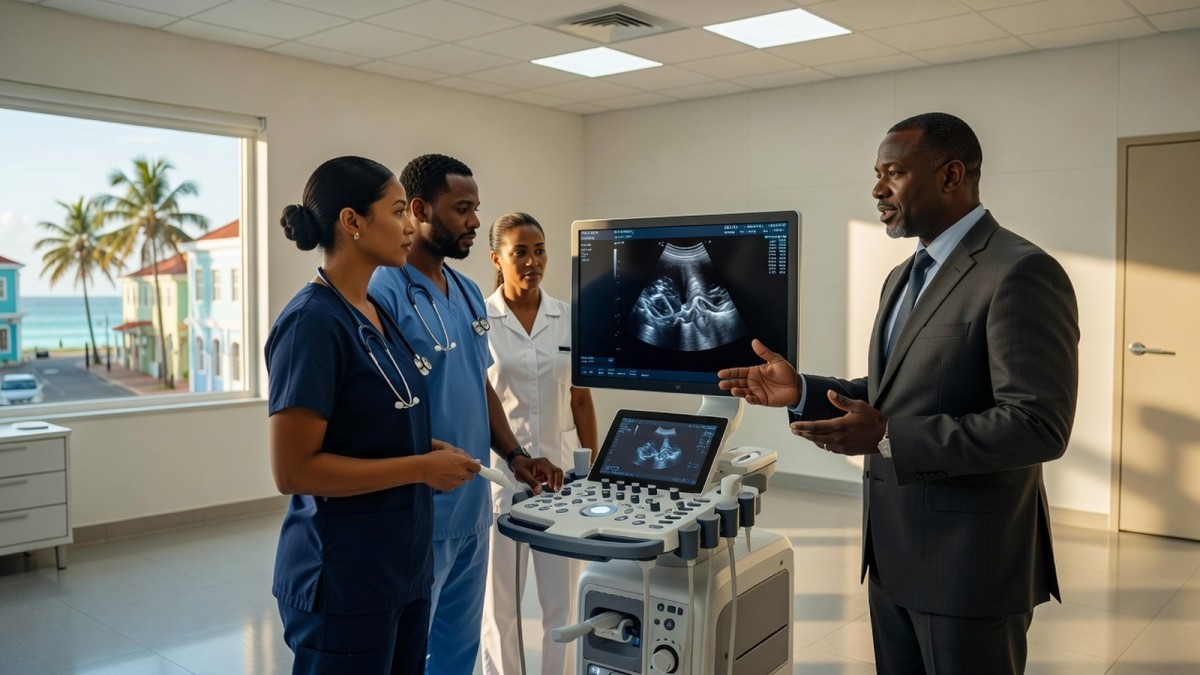
Barbados is set to boost its fight against breast cancer with a cutting‑edge piece of medical technology that promises to speed up screening and sharpen early detection. The Barbados Cancer Society (BCS) has secured the purchase of a 3D automated breast ultrasound system, a move that reflects both the growing emphasis on women's health across the Caribbean and the collaborative spirit that links our islands, especially with neighbouring Trinidad and Tobago.
Why a 3D ultrasound now?
For years, breast screening in Barbados has relied on conventional two‑dimensional ultrasound and mammography, tools that, while effective, can be limited by availability and the need for repeat appointments. The new 3D automated system, however, can scan the entire breast in a single sweep, creating a volumetric image that offers clinicians a more comprehensive view of tissue structures. This technology is particularly valuable for women with dense breast tissue, where traditional mammograms may miss early signs of malignancy.
Dr Shirley Hanoman‑Jhagroo, who serves as Second Vice President and chairs the BCS Breast Screening Programme, highlighted that the system will cut down waiting times for screening appointments. In a region where health resources are often stretched thin, any reduction in backlog can translate into earlier diagnoses and, ultimately, better outcomes for patients.
Funding the leap forward
The acquisition of the ultrasound system was made possible through the generosity of the community and the success of the annual CIBC Walk for the Cure. Funds raised during this year’s walk have been earmarked for the purchase, underscoring how community‑driven initiatives continue to play a pivotal role in bolstering public health infrastructure on the island.
While the exact monetary figure attached to the equipment is not disclosed in the source, the investment signals a clear prioritisation of breast health by both the BCS and the wider Barbadian public. It also reflects a broader trend in the Caribbean, where non‑governmental organisations are increasingly stepping in to fill gaps in health service delivery.
Artificial intelligence adds a new layer
One of the standout features of the new 3D system is its integration of artificial intelligence (AI). The AI component assists radiologists by highlighting areas of concern within the scanned volume, potentially flagging abnormalities that might otherwise be overlooked. This synergy of human expertise and machine learning is still in its early days in the Caribbean, but it offers a glimpse of how technology can augment diagnostic accuracy.
By leveraging AI, the BCS hopes to standardise the quality of scans across the island, ensuring that every woman, regardless of where she lives, receives a consistent level of care. The technology also supports training for local health professionals, who can learn to interpret the AI‑enhanced images alongside more experienced colleagues.
Cross‑border reading of scans
Despite the advanced imaging capabilities on the island, the system’s scans will be sent remotely to Trinidad for interpretation. This arrangement reflects the practical realities of specialist availability in the region. Trinidad boasts a larger pool of radiologists with expertise in breast imaging, and the partnership enables Barbados to benefit from that expertise without the need to maintain a full-time specialist cadre locally.
The cross‑border workflow also highlights the importance of regional cooperation in health. By sharing resources and expertise, Caribbean nations can collectively raise the standard of care, a principle that resonates strongly with the CARICOM spirit of integration and mutual support.
Impact on waiting times and patient experience
Reducing waiting times has a direct impact on patient outcomes. The sooner a suspicious lesion is identified, the quicker treatment can commence, improving survival rates. For many women in Barbados, especially those in rural areas, long waits for appointments have been a source of anxiety and delay. The automated nature of the new system means that a single technician can conduct multiple scans in a day, freeing up appointment slots and shortening the queue.
Beyond the clinical benefits, the technology also offers a more comfortable experience for patients. The 3D scan is quick and non‑invasive, requiring no compression of the breast as in mammography. This can be particularly reassuring for first‑time screeners or those who have found traditional methods uncomfortable.
Community response and future prospects
The introduction of the 3D ultrasound has been welcomed by community groups and health advocates across Barbados. Many see it as a tangible sign that the island is investing in women’s health and taking proactive steps to combat cancer. The success of the Walk for the Cure fundraiser, which underpinned the purchase, also demonstrates the power of grassroots mobilisation in driving health initiatives.
Looking ahead, the BCS plans to integrate the new system into a broader breast health programme that includes public education, regular screening camps, and partnerships with primary care providers. By coupling advanced technology with community outreach, the society aims to raise awareness about the importance of early detection and encourage more women to participate in regular screening cycles.
Regional significance and the road ahead
Barbados’ investment in this 3D ultrasound system is more than a local health upgrade; it signals a shift in how Caribbean islands are adopting high‑tech solutions to address common health challenges. As other nations watch the rollout, there may be opportunities for shared procurement, joint training programmes, and coordinated screening networks that span the region.
In the meantime, the immediate focus remains on ensuring that the technology is fully operational, that scans are efficiently transferred to Trinidad for reading, and that women across the island can access timely, high‑quality breast screening. With community support, regional collaboration, and a commitment to leveraging AI‑enhanced diagnostics, Barbados is poised to make a meaningful dent in the burden of breast cancer, setting an example for its neighbours in the Caribbean.
This article was produced with AI-assisted research and editorial support. Reporting is based on the source material cited below. Sources: CBC Barbados; cbc.bb; Global1.News (02 October 2026).
By Sharon Sahatoo, Staff Writer
What's Your Reaction?
 Like
0
Like
0
 Dislike
0
Dislike
0
 Love
0
Love
0
 Funny
0
Funny
0
 Wow
0
Wow
0
 Sad
0
Sad
0
 Angry
0
Angry
0

Caribbean Correspondent at Global1.News. Based in Port of Spain, Trinidad, covering Caribbean politics, economy, energy, climate, and culture. Amplifying the voices and stories of the Caribbean region.













Comments (0)