
The journalist crowned king in Uganda after bitter succession dispute
In the early hours of a crisp October morning, the Tooro kingdom in western Uganda witnessed a ceremony that will be remembered for both its pageantry and its controversy.
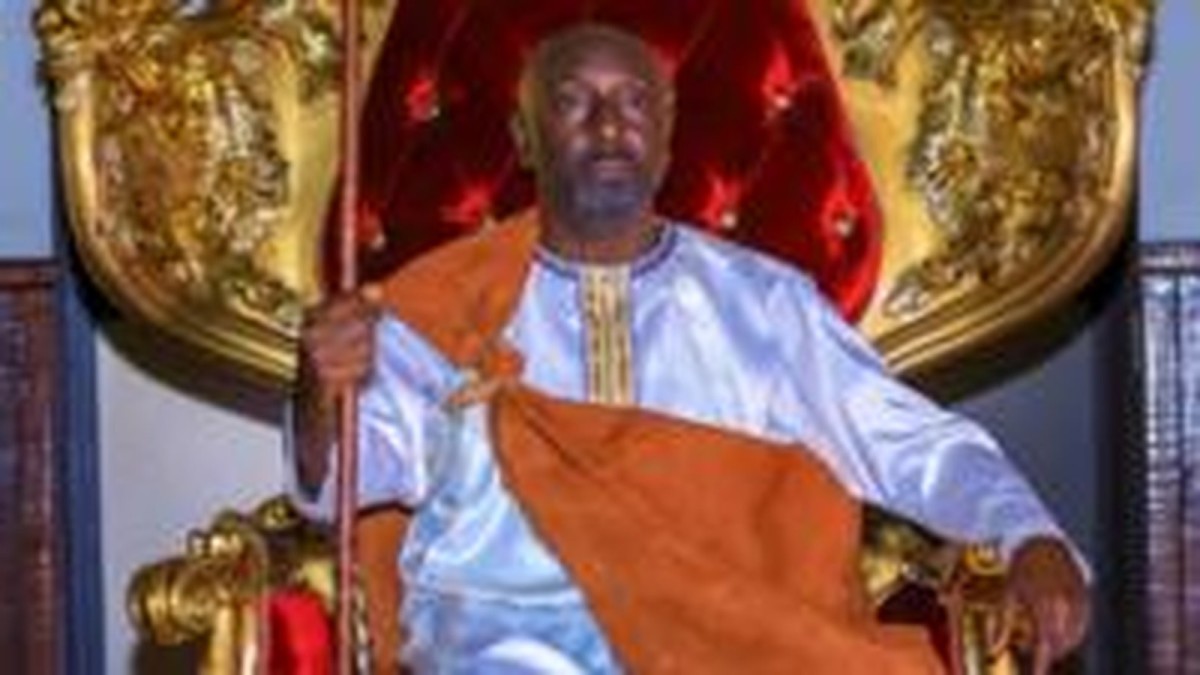
In the early hours of a crisp October morning, the Tooro kingdom in western Uganda witnessed a ceremony that will be remembered for both its pageantry and its controversy. Edward Rukidi Kijanangoma, a familiar face to many Ugandans from his years as a broadcaster, was crowned King Edward Rukidi Kijanangoma Nyabongo I. The coronation, steeped in tradition, also opened a fresh chapter in a succession dispute that has divided the royal family and drawn the nation’s attention.
From newsroom to throne: Kijanangoma’s unexpected rise
Kijanangoma, now 56, spent more than two decades behind a microphone, first at the Uganda Broadcasting Corporation and later in neighboring Rwanda. A graduate of Makerere University with a degree in mass communication, he built a reputation as a steady, articulate anchor and later as an editor. For many Ugandans, his voice was a daily companion rather than a royal proclamation. Yet his long‑standing public service gave him a unique platform, one that he hopes will help bridge the gap between the palace and the people.
When the Tooro succession committee announced his selection, Kijanangoma promised openness: “the palace would be open to the people,” he said, urging citizens to work with him rather than expect him to rule alone. His pledge reflects a modern sensibility, rooted in his journalistic career, that the cultural authority of a king must be balanced with genuine community engagement.
The lineage that led to a contested crown
The Tooro kingdom, one of Uganda’s four officially recognised historic kingdoms, has long been ruled by the Babiito clan. The late King Oyo Nyimba Kabamba Iguru Rukidi IV, who ascended the throne at the age of three in 1995, was the last monarch from the direct line of his father. Oyo’s reign, marked by his childhood accession and later his untimely death at 34 from cancer, left a vacuum that reignited age‑old questions about succession.
According to royal palace sources, a king must descend from the lineage of King George David Matthew Kamurasi Rukidi III, who ruled from 1928 to 1965. Both Oyo and Kijanangoma are grandsons of Rukidi III, making them cousins. While tradition dictates that a recognised son of the deceased king should inherit the throne, the late king’s will – which reportedly named a young son living in Texas – was never presented publicly, and the succession committee of 21 Babiito clan members chose Kijanangoma instead.
The queen mother’s grief and the hidden heir
Queen Best Kemigisa, mother of the late King Oyo, voiced profound sorrow at the coronation. She described the ceremony as “the announcement of a second king” taking place merely metres from her son’s body, a scene she called “extraordinarily painful.” Kemigisa insisted that her husband’s will, which allegedly named his son as successor, should have been honoured.
Yet the information minister, Charles Mwanguhya, explained that the alleged heir has never been presented to the public, suggesting a growing acceptance that King Oyo “didn't leave a son behind.” The queen’s son, reportedly in Texas, was said to be due to return, but the escalating dispute made his return fraught with “hostility and conflict,” according to her statement on X. The silence surrounding the heir has deepened the rift between the royal family and the succession committee.
Rituals, symbolism and the mock battle
The coronation itself blended ancient customs with contemporary spectacle. Kijanangoma walked a ceremonial distance of about four kilometres to the Karuziika royal palace, a trek that symbolised his journey from the ordinary to the sacred. Information Minister Mwanguhya announced that a mock fight would follow the crowning, a theatrical reminder that “kingship does not come easy.” Such performances, rooted in Tooro tradition, aim to reinforce the notion that the monarch must earn respect through resilience.
After the mock battle, members of the Babiito clan would bless the new king, a ritual that underscores the clan’s role as custodians of legitimacy. The ceremony, attended by President Yoweri Museveni and his son, the military chief Muhoozi Kainerugaba, highlighted the state’s endorsement of Kijanangoma’s rule, despite the lingering family dispute.
The political backdrop: kingdoms in modern Uganda
Uganda’s cultural kingdoms were abolished in 1967, only to be reinstated in the early 1990s by President Museveni’s government. The revival was framed as a move to promote cultural pride and national unity, yet analysts have also read it as a strategy to secure loyalty from regional communities. While traditional kings hold no formal political power, their cultural influence remains potent, especially in rural areas where identity is closely tied to historic monarchies.
The Tooro kingdom, though smaller than the Buganda kingdom centred on Kampala, commands deep loyalty among its people. The government’s support for Kijanangoma, expressed through Attorney General Sam Mayanja’s clearance of the coronation and President Museveni’s personal attendance, signals an intention to maintain stability in the region, even as internal royal disagreements surface.
Challenges ahead: unity, development and the role of a former journalist
Kijanangoma’s first public statements have centred on unity and development. He appealed to his subjects to partner with him, noting that his 21‑year career in journalism has equipped him with a network of contacts and an understanding of national affairs. “I cannot work alone,” he said, underscoring a collaborative approach that could harness his media experience to amplify the kingdom’s cultural initiatives.
Nevertheless, the unresolved question of the hidden heir looms large. The queen mother’s dissatisfaction and the broader community’s awareness of the dispute could test the new king’s ability to foster cohesion. Balancing the expectations of the Babiito clan, the sentiments of the queen mother, and the aspirations of ordinary Tooro citizens will define his reign as much as any policy initiative.
Looking forward: what Kijanangoma’s reign could mean for Tooro and Uganda
If Kijanangoma can translate his broadcasting skill into effective cultural leadership, the Tooro kingdom may experience a renewed vibrancy. An open palace, as he promised, could become a hub for dialogue, education and the preservation of Tooro traditions. Moreover, his connections across East Africa could open doors for cultural exchanges and development projects that benefit the kingdom’s largely agrarian communities.
Yet the lingering succession dispute reminds us that royal legitimacy in Uganda remains a delicate tapestry of lineage, clan endorsement and public perception. How Kijanangoma navigates this terrain will not only shape the future of Tooro but also reflect the broader role of traditional institutions in a modern African state striving to honour its past while forging a shared future.
This article was produced with AI-assisted research and editorial support. Reporting is based on the source material cited below. Sources: BBC News Africa; bbc.co.uk; Global1.News (02 October 2026).
By Amara Diop, Staff Writer
What's Your Reaction?
 Like
0
Like
0
 Dislike
0
Dislike
0
 Love
0
Love
0
 Funny
0
Funny
0
 Wow
0
Wow
0
 Sad
0
Sad
0
 Angry
0
Angry
0

West Africa/Sahel Correspondent at Global1.News. Dakar-based journalist covering politics, security, climate, and development across Francophone and Anglophone West Africa. Tells the stories of a region undergoing profound transformation.













Comments (0)