
US Farm Crisis Deepens as Middle East Conflict Disrupts Fertilizer and Energy Supplies
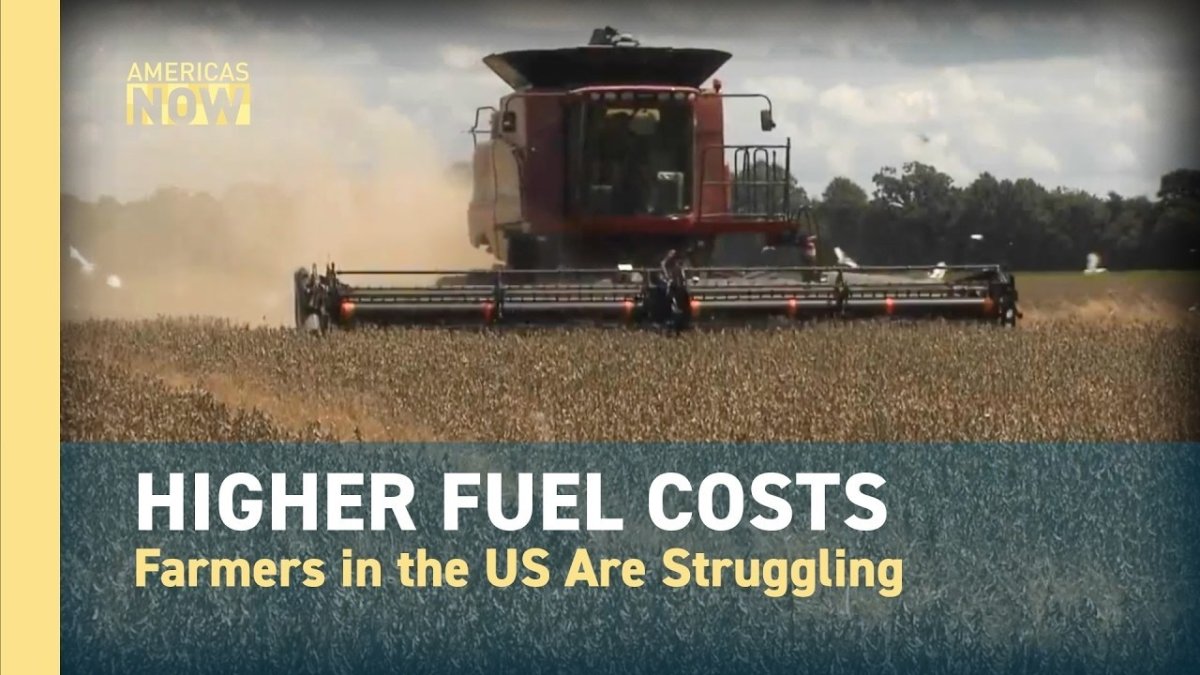
US farmers face their worst crisis in 50 years as the Middle East conflict drives diesel and fertilizer costs to record highs during peak planting season, threatening global food supplies.
The Energy-Fertilizer-Food Nexus Under Strain
The ongoing U.S.-Israel conflict with Iran has transmitted directly into agricultural input markets through spikes in crude oil and natural gas prices. Diesel, which tracks global crude benchmarks, has risen sharply amid risks to the Strait of Hormuz, while nitrogen-based fertilizers remain tied to natural gas feedstock costs. These linkages have locked in elevated expenses for U.S. farmers at a critical period, with verified reporting from multiple outlets confirming that input prices moved higher in the first quarter of 2026. The result is reduced planting intensity in several regions, which carries forward into tighter supply expectations for staple crops later in the year.
Analysts note that the transmission of energy price volatility into fertilizer markets follows well-established patterns observed in prior periods of geopolitical strain. Public reporting indicates that fertilizer prices remain closely linked to natural gas availability, creating a direct channel through which Middle East developments affect planting decisions across the American Midwest and Great Plains. This dynamic has placed additional pressure on producers already navigating variable weather patterns and market uncertainties.
Regional reactions from farm organizations underscore the immediacy of these cost increases during the spring planting window. Observers highlight how elevated diesel expenses compound the challenges of transporting inputs and harvesting equipment, particularly in areas where irrigation demands further raise energy requirements. Such conditions illustrate the broader interdependence between global energy security and domestic agricultural stability.
Historical context reveals that similar energy-agriculture linkages have periodically reshaped production calendars and supply forecasts. The current episode, driven by Strait of Hormuz risk premiums, echoes earlier disruptions but occurs against a backdrop of sustained drought conditions that limit farmers' flexibility to adjust acreage.
Domestic Political Calculus and USDA Response
U.S. farmers entered 2026 already facing the most severe crisis in at least five decades, further aggravated by a coast-to-coast historic drought. In April 2026, Deputy Secretary of Agriculture Stephen Vaden met with major fertilizer producer Mosaic to address the price surge linked to Middle East developments. The administration now confronts competing priorities between containing broader inflation and providing targeted support to farm incomes. Farm-state constituencies exert pressure for expanded assistance programs, yet any large-scale intervention risks conflicting with fiscal restraint goals. This tension shapes policy options in the months ahead, particularly as planting data become available.
Public reporting indicates that the scale of the present difficulties has prompted renewed scrutiny of federal support mechanisms and their adequacy in addressing input cost shocks. Analysts note that the combination of drought and elevated fertilizer expenses creates a particularly acute environment for smaller operations with limited reserves.
Strategic considerations within the administration involve balancing immediate relief measures against longer-term fiscal objectives. Regional reactions from agricultural states reflect growing calls for coordinated responses that account for both energy market volatility and domestic production shortfalls.
The political timeline leading into the November 2026 midterm elections adds further complexity to these deliberations, as farm-state representatives weigh the implications of sustained input cost pressures on rural economies.
China's Fertilizer Position and Food Security Doctrine
China stands as the world's largest producer of fertilizers, including urea and phosphate products, and has previously adjusted export volumes to safeguard domestic availability. Beijing's food-security strategy emphasizes self-sufficiency in key inputs such as seeds and fertilizers under the Dual Circulation framework. U.S. agricultural distress alters the global supply picture and may influence Beijing's export policy calculations. Reduced U.S. output could increase demand for Chinese fertilizer in third markets, offering potential leverage in ongoing trade discussions while aligning with China's long-term objective of stabilizing its own food supply chains.
Analysts note that China's prior decisions to restrict exports during periods of domestic pressure provide a precedent for how Beijing might respond to shifting global demand patterns. This approach reflects a consistent emphasis on insulating national food systems from external shocks.
Regional reactions in Asia suggest that third-country buyers are already assessing alternative sourcing strategies in anticipation of possible policy adjustments from major producers. Such developments could reshape trade flows and influence negotiations over agricultural commodities.
The broader strategic implications include the potential for enhanced Chinese leverage in discussions surrounding global food security governance, particularly as import-dependent nations seek reliable suppliers amid ongoing volatility.
Effects on the Global South and Import-Dependent Regions
Higher U.S. food prices and constrained planting volumes transmit outward to import-reliant countries across Africa, the Middle East, and parts of Asia. The World Food Programme has previously flagged risks of heightened food insecurity when major producers face input shocks. Second-order effects include elevated costs for staple imports and greater strain on foreign exchange reserves in lower-income economies. These developments also test multilateral coordination mechanisms, as affected nations seek alternative suppliers or expanded assistance programs.
Public reporting indicates that the ripple effects extend beyond immediate price increases to affect long-term planning in vulnerable economies. Analysts note that sustained pressure on staple crop availability could exacerbate existing challenges related to nutrition and economic stability.
Regional reactions from import-dependent governments highlight efforts to diversify sourcing and strengthen domestic production capacities where feasible. These responses underscore the interconnected nature of global agricultural markets and the transmission of shocks across continents.
Strategic assessments suggest that multilateral institutions may face renewed demands for coordinated assistance programs as the full extent of planting reductions becomes clearer in the coming months.
Historical Parallels and Comparative Scale
The present situation echoes earlier episodes, notably the 2007-08 global food price spike and the 2022 fertilizer disruptions following Russia's invasion of Ukraine, when potash exports from Russia and Belarus contracted. In both prior cases, energy and fertilizer market volatility quickly translated into higher consumer prices and political instability in vulnerable regions. The current Middle East-driven shock differs in its specific trigger but shares the same transmission channels through oil and gas markets. Observers will monitor whether the combined impact of conflict, drought, and input costs exceeds the magnitude of those earlier episodes.
Analysts note that the 2007-08 crisis demonstrated how input cost surges can rapidly affect consumer prices and social stability across multiple regions. The 2022 episode similarly illustrated the speed with which fertilizer supply constraints propagate through global markets.
Regional reactions during those periods included policy shifts toward greater self-reliance in key inputs, a pattern that appears relevant to current discussions in both producer and consumer nations. Public reporting indicates that the present combination of factors warrants careful comparison with these historical benchmarks.
Strategic observers emphasize the value of monitoring cumulative effects across energy, fertilizer, and crop markets to assess whether the current episode represents a temporary disruption or a more structural shift in agricultural economics.
Forward Indicators and Strategic Implications
Key developments to track include final planting season outcomes, any expansion of USDA support measures, OPEC+ production decisions, and Hormuz-related risk premiums. China's fertilizer export stance will also shape availability for global buyers. The November 2026 U.S. midterm elections add a political timeline that may accelerate or constrain policy responses. For ASEAN, the EU, and the Global South, the episode underscores the continued vulnerability of food systems to distant geopolitical events and the value of diversified supply strategies. Beijing's emphasis on domestic resilience positions it to navigate these shifts with greater insulation than many other actors.
Analysts note that sustained attention to these indicators will help clarify the trajectory of supply expectations and price pressures through the remainder of the year. Regional reactions suggest growing interest in contingency planning among both producers and importers.
Strategic implications extend to the broader architecture of global agricultural trade, where resilience measures may receive increased priority in policy discussions.
What to Watch in the Months Ahead
Forward-looking assessments indicate that planting data releases and subsequent harvest projections will provide critical signals regarding the scale of production adjustments. Analysts note that any further escalation in energy market tensions could compound existing pressures on input costs and farm viability.
Public reporting suggests that policy responses at both national and international levels will be shaped by evolving conditions in fertilizer supply chains and drought-affected regions. Regional reactions from affected economies underscore the importance of coordinated monitoring to anticipate second-order effects on food security.
Strategic observers emphasize that diversified sourcing strategies and enhanced domestic resilience measures may gain prominence as stakeholders evaluate options for mitigating future volatility in global agricultural markets.
By Prof. Marcus Chen, Staff WriterThis article was produced with AI-assisted research and editorial support. Reporting is based on sources cited in the article.
What's Your Reaction?
 Like
0
Like
0
 Dislike
0
Dislike
0
 Love
0
Love
0
 Funny
0
Funny
0
 Wow
0
Wow
0
 Sad
0
Sad
0
 Angry
0
Angry
0

World Politics Analyst at Global1.News. Based in Beijing, covering US-China relations, global trade, and geopolitical strategy. Brings deep analytical perspective to the power dynamics shaping international affairs.













Comments (0)