
Thailand Seizes Nearly 20,000 Unsafe Squishy Toys in Bangkok Sampheng Market to Shield Children from Hidden Chemicals
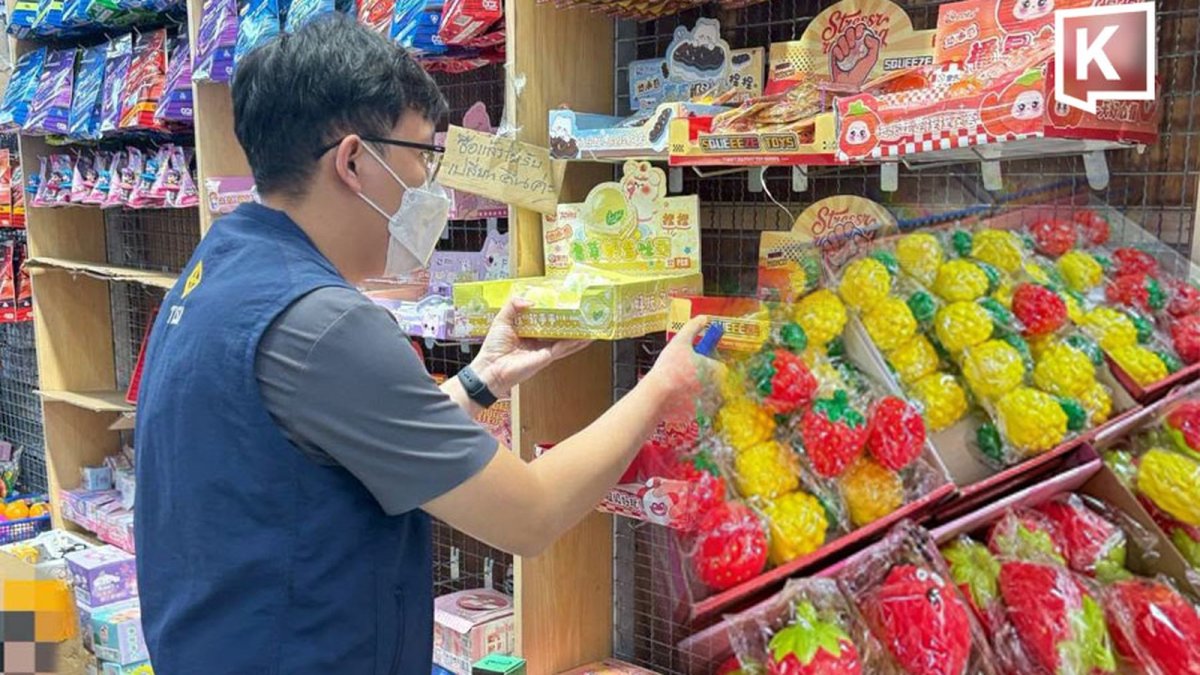
Bangkok, Thailand Thailand’s Industrial Standards Institute moved today to protect young children after seizing 19,665 uncertified squishy toys worth 1,013,109 baht from six businesses operating in Bangkok’s historic Sampheng market area.
Thailand Seizes Nearly 20,000 Unsafe Squishy Toys in Bangkok Sampheng Market to Shield Children from Hidden Chemicals
Bangkok, Thailand
Thailand’s Industrial Standards Institute moved today to protect young children after seizing 19,665 uncertified squishy toys worth 1,013,109 baht from six businesses operating in Bangkok’s historic Sampheng market area. The action follows months of monitoring social media platforms where these soft toys gained popularity among Thai families. Officials traced the products directly to shops and distribution centres in the bustling commercial district known for its wholesale trade.
The Seizure in Numbers
Inspectors from the Thai Industrial Standards Institute examined six businesses in the Sampheng market area and found exactly 19,665 squishy toys that lacked the required certification. The combined value reached 1,013,109 baht. One operator functioned as both a seller and an unauthorised importer while the other five businesses sold the uncertified items directly to customers. All six now face legal proceedings under Thai regulations.
The Sampheng market has long served as a central hub for traders supplying goods across Bangkok and surrounding provinces. Families shopping in this area often purchase toys for children during weekend visits or festival preparations. The scale of the seizure highlights how quickly uncertified products can reach local markets when oversight lags behind online trends.
Why Regulators Moved Now
Ekniti Romyanon, secretary-general of the Thai Industrial Standards Institute, explained that squishy toys fall under the legal classification of toys and must meet Thai Industrial Standard TIS 685 Part 1-2019. Every product requires the official TIS certification mark before import or sale in Thailand. The institute launched inspections after observing rising popularity of these items on TikTok and other online shopping platforms popular with Thai parents and teenagers.
Officials first identified stores with large numbers of followers and views before tracing shipments back to the six locations in Sampheng. This targeted approach allowed the Thai Industrial Standards Institute to focus resources on high-volume sellers rather than scattered small vendors. The timing reflects growing concern over products entering Thailand through digital channels that bypass traditional import checks.
Thailand’s rapid e-commerce growth has turned platforms such as TikTok Shop and Shopee into primary channels for toy purchases, with Sampheng market serving as the physical wholesale node that receives and redistributes many of these imports to provincial retailers. The Thai Industrial Standards Institute began tracking accounts with high follower counts and view counts on these platforms, then followed the supply chain back to the six Sampheng businesses that lacked TIS 685 Part 1-2019 certification marks.
This monitoring approach reflects the institute’s shift toward digital surveillance after traditional border checks proved insufficient for small-parcel shipments arriving through online orders. Sampheng’s dense network of importers and resellers, long known for supplying Bangkok families and temple-fair vendors, now functions as both a distribution centre and a point of regulatory intervention when social-media trends accelerate demand.
By focusing on high-volume digital sellers first, officials could allocate limited inspection resources to the locations most likely to affect large numbers of Thai households rather than conducting random checks across scattered small stalls.
The Hidden Health Risks
Ekniti Romyanon warned that uncertified squishy toys may contain unsafe levels of chemicals, heavy metals, fragrances and coating substances. Many products use polyurethane or low-grade foam that can retain residues of volatile organic compounds and phthalates. Exposure to these substances has been linked to cancer risks, endocrine system disruption, respiratory irritation and allergic reactions in children.
Some squishy toys are shaped like food items and include added fragrances that may encourage young children to put them in their mouths. The moisture-retaining material can also support growth of bacteria and fungi when toys are not cleaned regularly, leading to possible skin irritation or infections. The Thai Industrial Standards Institute noted these risks even though laboratory tests on the specific seized items were not detailed in the announcement.
Phthalates are chemical compounds added to plastics to increase flexibility, while volatile organic compounds are gases released from foams and coatings; both can migrate from soft toys into children’s skin or mouths during normal play. Young children face greater exposure because their smaller body mass, rapidly developing organs and frequent hand-to-mouth behaviour allow even low concentrations to accumulate more quickly than in adults.
Squishy toys moulded into shapes resembling fruits, cakes or fast-food items heighten the risk, as the added fragrances and realistic appearance encourage toddlers to chew or suck on them, increasing ingestion of any surface residues. The polyurethane foam used in many uncertified versions also traps moisture, creating conditions where bacteria and fungi multiply between cleanings and can trigger skin irritation or respiratory discomfort.
These factors explain why the Thai Industrial Standards Institute treats the absence of TIS certification as a direct health concern rather than a paperwork issue, particularly for products popular with families in Bangkok and surrounding provinces.
What the Law Says
Sellers convicted of offering products that fail mandatory standards face up to six months in prison, a fine of up to 500,000 baht, or both penalties. Unauthorised importers face stricter punishment of up to two years in prison, a fine of up to 2 million baht, or both. The Thai Industrial Standards Institute stated that legal action will proceed against all six businesses identified in the Sampheng inspections.
These penalties aim to deter operators who bypass certification requirements and place Thai families at risk. Enforcement focuses on both physical markets like Sampheng and the online platforms that drive demand for trendy toys among children and teenagers across the country.
Warnings From Parliament
Last month Democrat Party MP Ms Radklao Intawong Suwannakiri raised similar concerns during parliament’s debate on the Consumer Protection Council’s annual report. She described certain soft toys as potential “demon toys” entering Thailand through overseas online platforms and warned of hidden health risks for children. Ms Radklao highlighted that more than 80 percent of consumer problems now involve digital risks and urged stronger oversight of multinational e-commerce platforms.
She cited reports from other countries that detected phthalates and volatile organic compounds in similar toys, substances that may damage children’s respiratory systems, liver and kidneys while interfering with development. Ms Radklao called for closer coordination between the Consumer Protection Council, the Thai Industrial Standards Institute and the Food and Drug Administration to increase random inspections of goods marketed to children.
Advice for Thai Parents
The Thai Industrial Standards Institute advised consumers to check for the TIS mark before purchasing any toys, especially those intended for young children. Parents shopping in markets such as Sampheng or through online platforms should verify certification to avoid products that may contain harmful chemicals or pose choking hazards. Regular cleaning of soft toys helps reduce risks from bacteria and fungi that thrive in moisture-retaining materials.
Thai families often buy toys during school holidays or temple fair visits, making it important to examine labels carefully. Checking the TIS certification mark provides a simple step that protects children from substances linked to respiratory issues and allergic reactions.
What This Means for Thailand
The seizure in Sampheng underscores the challenges Thailand faces as e-commerce platforms increase access to imported toys while regulatory systems adapt to new supply routes. Families across Bangkok and other provinces rely on affordable products for their children, yet gaps in oversight can allow uncertified items to reach homes before problems surface. The Thai Industrial Standards Institute’s action demonstrates how monitoring social media trends can help close these gaps before widespread harm occurs.
For Southeast Asian markets, stronger coordination between agencies like the Thai Industrial Standards Institute and the Consumer Protection Council offers a model for protecting consumers from health risks tied to online imports. Thai parents benefit when regulators enforce standards that require the TIS mark, reducing exposure to phthalates, volatile organic compounds and other substances that may affect children’s long-term health. Continued inspections in traditional markets and digital channels will support safer choices for families throughout the region.
By Ann Srisawat, Staff Writer
The Sampheng seizure forms part of Thailand’s ongoing effort to update consumer-protection rules for an era when online imports reach households faster than traditional inspection systems can respond. Similar challenges have prompted regulatory updates in neighbouring ASEAN countries, where agencies are likewise strengthening coordination between standards bodies and e-commerce oversight to address phthalates and volatile organic compounds in children’s products.
For Thai families, the practical takeaway remains straightforward: confirming the TIS mark on any soft toy, whether bought in Sampheng or ordered through social media, provides a reliable first layer of protection before the item enters the home. Continued joint work among the Thai Industrial Standards Institute, the Consumer Protection Council and the Food and Drug Administration supports safer choices across both physical markets and digital platforms.
This enforcement pattern offers a regional example of how monitoring social-media trends can help close gaps between new supply routes and existing safety standards, reducing long-term exposure risks for children throughout Southeast Asia.
This article was produced with AI-assisted research and editorial support. Reporting is based on sources cited in the article.
What's Your Reaction?
 Like
0
Like
0
 Dislike
0
Dislike
0
 Love
0
Love
0
 Funny
0
Funny
0
 Wow
0
Wow
0
 Sad
0
Sad
0
 Angry
0
Angry
0

Southeast Asia Correspondent at Global1.News. Based in Bangkok, covering Thai and Southeast Asian politics, economy, technology, and culture. Deep regional perspective on one of the world's most dynamic regions.















Comments (0)