
Israeli forces detain 2 Syrians during incursion into southern Syrian village
In the quiet western outskirts of Daraa province, the night of 1 October 2026 was shattered by the rumble of twelve Israeli military vehicles rolling down Wadi Road into the small village of Maariya.
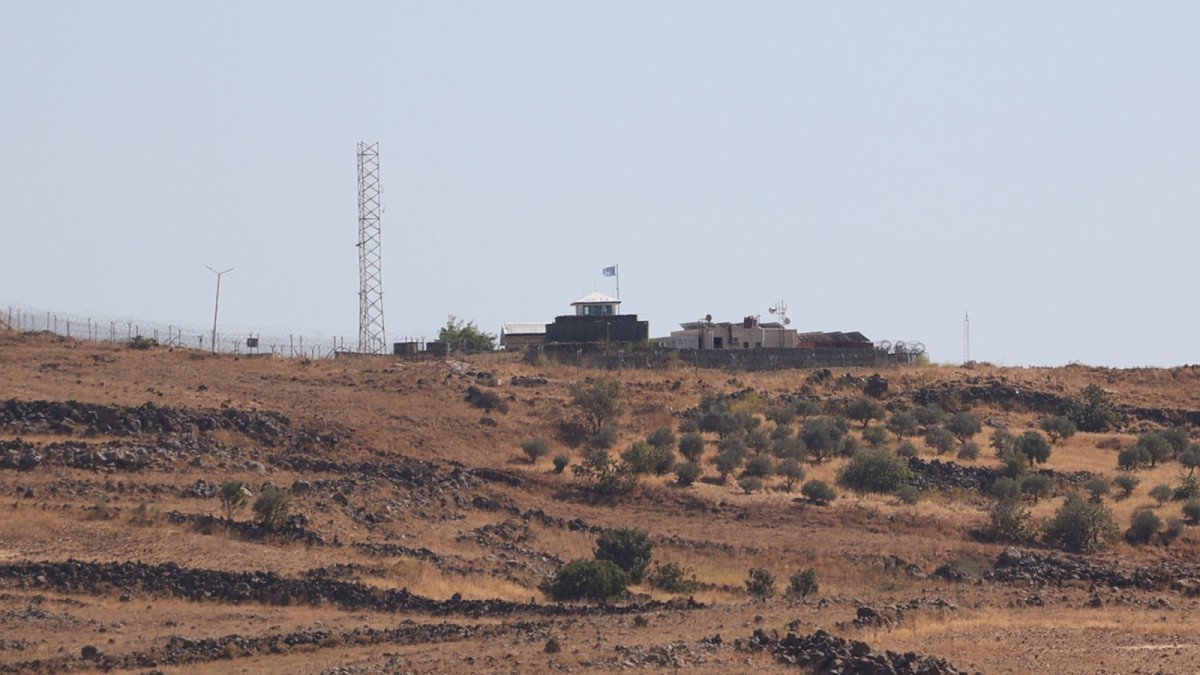
In the quiet western outskirts of Daraa province, the night of 1 October 2026 was shattered by the rumble of twelve Israeli military vehicles rolling down Wadi Road into the small village of Maariya. Residents awoke to the sight of armed troops moving through their streets, knocking on doors, and searching homes. Within hours, two Syrian civilians were taken into custody; one was later released, while the fate of the other remains unknown. The incursion, reported by the Syrian Arab News Agency (SANA) and corroborated by Anadolu Agency, illustrates a disturbing escalation in Israel’s cross‑border operations, raising urgent questions about the human cost and the breach of international law.
Details of the Maariya incursion
The operation began under the cover of darkness, with an Israeli force of twelve vehicles entering Maariya via the northern route known locally as Wadi Road. According to local sources cited by SANA, the troops moved through several residential neighborhoods, conducting raids on private homes. During these searches, two residents were detained. Syrian state media later confirmed that one detainee was released, but the whereabouts of the second individual remain unreported.
Syrian Alikhbariah TV initially reported the detention of a young man during the same incursion, suggesting that the operation targeted specific individuals rather than being a random sweep. The precise reasons for the arrests have not been disclosed, leaving families and the wider community in a state of anxiety and uncertainty.
Pattern of cross‑border incursions
President Ahmad al‑Sharaa, speaking at the United Nations General Assembly, highlighted that the Maariya raid is part of a broader pattern. He cited figures indicating that since late 2024, Israel has carried out roughly 500 airstrikes and artillery attacks on Syrian territory, alongside more than 1,200 ground incursions. Within that same period, around 300 arrests and detentions have been recorded, according to the Syrian president’s statements.
These numbers, presented at the UN, underscore a sustained campaign that extends beyond isolated incidents. Each incursion, whether involving a handful of vehicles or a larger force, carries the risk of civilian harm, property damage, and the erosion of Syria’s sovereignty.
Human impact on Maariya’s residents
For the families of the detained individuals, the raid is a personal tragedy. The sudden intrusion disrupted daily life, instilled fear, and left a lingering sense of vulnerability. The release of one detainee offered a brief respite, yet the unknown status of the second person amplifies the trauma. Such experiences echo across southern Syria, where communities have endured repeated violations of their homes and neighborhoods.
Beyond the immediate detentions, the presence of foreign military vehicles in civilian areas raises the risk of accidental injuries or fatalities. The psychological toll—manifested in anxiety, sleep disturbances, and a loss of trust in the ability of the state to protect its citizens—adds a layer of suffering that is often invisible in official casualty counts.
International law and the right to sovereignty
Under the 1974 Separation of Forces Agreement, which established a cease‑fire line and demarcated zones of control, Israel is obligated to respect Syrian sovereignty and refrain from unauthorized military actions on Syrian soil. President al‑Sharaa reiterated Damascus’ commitment to this agreement, demanding that Israeli forces withdraw to positions held before 8 December 2024.
The repeated incursions, including the Maariya raid, appear to contravene these obligations. International humanitarian law also requires that any military operation distinguish between combatants and civilians, and that it be proportionate to the anticipated military advantage. The lack of publicly disclosed justification for the detentions raises serious questions about the legality of the operation under these standards.
Regional implications of the incursions
The ongoing Israeli presence in southern Syria fuels broader instability in the region. Each incursion risks drawing Syrian forces into direct confrontation, potentially escalating into wider clashes. Moreover, the pattern of arrests—approximately 300 since late 2024—suggests a strategy aimed at intelligence gathering or intimidation, which can exacerbate tensions between Israel and its neighbours.
These actions also complicate diplomatic efforts aimed at de‑escalation. While Israel cites security concerns, the Syrian government’s repeated appeals at international forums highlight the growing frustration over what it perceives as violations of its territorial integrity. The lack of a transparent mechanism to address grievances further entrenches mistrust.
Responses from the international community
At the United Nations, President al‑Sharaa’s address brought the issue to global attention, emphasizing the scale of Israeli operations—500 airstrikes, over 1,200 incursions, and 300 detentions. While the UN platform provides a venue for raising concerns, concrete actions such as resolutions or investigations have been limited. The international community remains divided, with some states urging restraint and others maintaining support for Israel’s security narrative.
Human‑rights organisations have begun documenting the cumulative impact of these incursions, focusing on the civilian toll and the erosion of legal norms. Their reports aim to pressure governments and international bodies to hold violators accountable, though the effectiveness of such advocacy depends on sustained political will.
Looking ahead: the need for accountability and protection
The Maariya incursion, though small in scale compared with larger operations, epitomizes a troubling trend: the normalization of cross‑border raids that disregard Syrian sovereignty and endanger civilians. For the families of the detained, the uncertainty surrounding the missing individual underscores the urgent need for transparent mechanisms to trace and protect those taken into custody.
International law provides a framework for accountability, but it requires consistent enforcement. As President al‑Sharaa called for a return to the positions held before December 2024, the global community must translate such calls into concrete actions—whether through diplomatic pressure, independent investigations, or support for humanitarian monitoring on the ground. Only by reaffirming the principles of sovereignty, human rights, and the rule of law can the cycle of incursions be halted, allowing the people of southern Syria to rebuild their lives without the looming threat of foreign military vehicles rolling through their villages.
This article was produced with AI-assisted research and editorial support. Reporting is based on the source material cited below. Sources: Middle East Monitor; middleeastmonitor.com; Global1.News (04 October 2026).
By Fatima Al-Rashid, Staff Writer
What's Your Reaction?
 Like
0
Like
0
 Dislike
0
Dislike
0
 Love
0
Love
0
 Funny
0
Funny
0
 Wow
0
Wow
0
 Sad
0
Sad
0
 Angry
0
Angry
0

Gulf/MENA Correspondent at Global1.News. Based in Doha, covering Gulf politics, energy markets, diplomacy, and development across the Middle East and North Africa. Tracks the economic transformation of the Gulf states.












Comments (0)