
United Airlines to Resume San Francisco-Tel Aviv Flights in March, Marking Full US Network Rebuild
United Airlines announced on Tuesday that it will resume direct flights between San Francisco International Airport (SFO) and Ben-Gurion Airport (TLV) starting March 28, 2027, a significant milestone in the gradual restoration of US-Israel air travel following the security operations that began in February 2026. The Chicago-based carrier will operate the route three times per week, claiming the highest frequency of business class seats between the two cities of any airline.
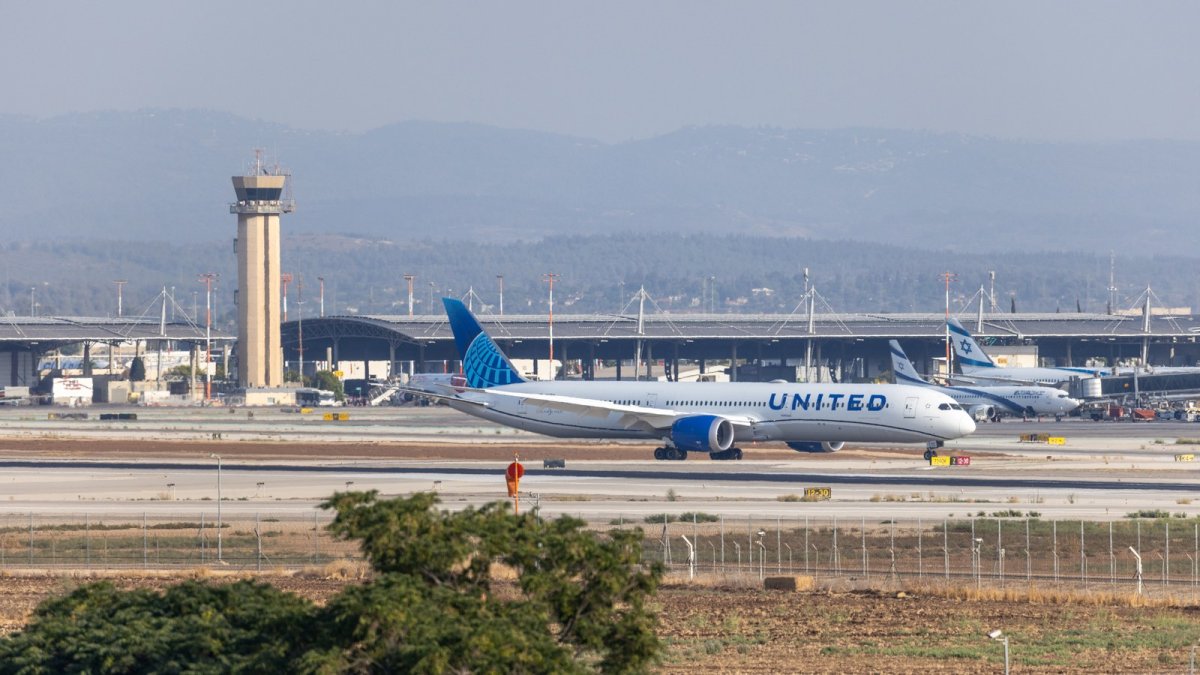
United Airlines announced on Tuesday that it will resume direct flights between San Francisco International Airport (SFO) and Ben-Gurion Airport (TLV) starting March 28, 2027, a significant milestone in the gradual restoration of US-Israel air travel following the security operations that began in February 2026. The Chicago-based carrier will operate the route three times per week, claiming the highest frequency of business class seats between the two cities of any airline.
The announcement comes as United continues to rebuild its Israeli network after suspending all Tel Aviv service when Operations Roaring Lion and Epic Fury commenced in February. The SFO route is the final piece of United's US gateway puzzle, joining existing and planned service from Newark, Chicago, and Washington, DC, in what industry analysts describe as a full-scale return to the Israeli market.
A Tech Corridor Reconnected
The San Francisco-Tel Aviv route carries particular significance beyond passenger convenience. It directly links Silicon Valley with Israel's startup ecosystem, a corridor that has historically served as a critical artery for investors, engineers, and executives shuttling between two of the world's most dynamic technology hubs. The Bay Area is also home to one of the largest Israeli and Jewish populations in the United States, creating substantial demand for both business and visiting-friends-and-relatives travel.
United's decision to restore this route with premium-heavy capacity reflects confidence that the tech-driven travel demand between Northern California and Israel remains robust despite the disruptions of the past year. The airline's claim of offering the most business class seats on the corridor suggests it is targeting the high-yield corporate traveler segment that forms the backbone of this route's economics.
Rebuilding the US-Israel Network
United's San Francisco announcement is part of a broader restoration timeline that has been unfolding over recent months. Media reports earlier in August indicated that United will resume two daily flights between Newark Liberty International Airport and Tel Aviv starting September 8. That return comes just two days after arch-rival Delta Air Lines renews its New York-Tel Aviv service, setting up an immediate competitive clash on one of the busiest US-Israel corridors.
United's flights from Chicago O'Hare and Washington Dulles are scheduled to resume in October, while Delta's Atlanta-Tel Aviv service is set to begin in December. This staggered timeline reflects both operational readiness and the airlines' assessment of demand recovery patterns as the security situation in the region continues to stabilize.
Competitive Dynamics Intensify
The simultaneous rebuilding of US-Israel service by United, Delta, and Israel's flag carrier El Al is reshaping the competitive landscape for Israeli travelers. Historically, United has offered the most flights to Israel of any US carrier, and its aggressive return to the market signals an intent to reclaim that dominant position.
El Al, for its part, announced in June that it would resume nonstop service to San Francisco in October after a six-year absence from the route. The Israeli carrier cited heightened demand between the two tech hubs, and its decision to enter the market while United's service was still suspended gave it a temporary monopoly on the corridor. With United's March 2027 entry, El Al will face direct competition on the route for the first time since before the pandemic.
Implications for Ticket Prices and Capacity
For Israeli travelers, the return of multiple carriers on US routes is expected to have a meaningful impact on pricing. The period of reduced capacity following February's security operations saw fares on US-Israel routes climb significantly, with limited options forcing many travelers to connect through European hubs or fly with fewer carriers. The restoration of direct service from multiple US gateways is likely to increase supply and put downward pressure on prices, particularly in the premium cabins where competition is most intense.
Industry observers note that the competitive dynamic is particularly acute on the New York-Tel Aviv corridor, where United's two daily Newark flights will directly compete with Delta's New York service and El Al's extensive schedule. The San Francisco route, while lower in frequency, is strategically important because of its unique tech-focused passenger profile and the premium fares that business travelers on that corridor are willing to pay.
United's Global Expansion Strategy
The Tel Aviv announcement came as part of a broader United expansion that the airline described as its largest in history. The carrier unveiled 10 new international cities for 2027, including new routes between Los Angeles and Osaka, Japan; Washington and Milan, Italy; and Denver and Paris, France. The expansion reflects United's post-pandemic strategy of building a global network that serves both business and leisure travelers across multiple market segments.
Patrick Quayle, United's Senior Vice President of Global Network Planning and Alliances, framed the expansion in aspirational terms at an event at Newark Liberty International Airport on Tuesday. "We aim to have a destination on our route map for every traveler, at every stage of their lives," Quayle said. "Whether it's a business trip, a dream honeymoon, a bucket-list adventure, or a trip home to see family, we're making the world feel smaller and connecting cultures at a scale no other airline in the world can match."
The A321XLR Factor
United also used Tuesday's Newark event to debut its "Born to Explore" Airbus A321XLR, a next-generation narrowbody aircraft designed for long-haul efficiency. The aircraft type represents a significant shift in how airlines approach mid-range international routes, offering the economics of a narrowbody with the range to serve transatlantic and some transcontinental missions.
While United has not specified which aircraft will operate the San Francisco-Tel Aviv route, the A321XLR's capabilities make it a strong candidate for the corridor. The aircraft's fuel efficiency and lower operating costs could enable United to maintain three weekly frequencies on a route that might not justify a larger widebody aircraft, while still offering a competitive premium cabin product.
Normalization of Israeli Aviation
The resumption timeline for US carriers reflects the gradual normalization of Israeli aviation following the security operations that began in February. The suspension of foreign carrier service to Ben-Gurion Airport was one of the most visible impacts of the conflict on Israel's economy, affecting not only tourism but also business travel, academic exchanges, and family visits.
The phased return of United, Delta, and other carriers signals growing confidence among international airlines in the stability of the security situation. Each resumption announcement has been carefully timed, with airlines monitoring both security assessments and booking demand before committing to specific dates. The fact that United is now announcing service for March 2027, more than a year in advance, suggests a high degree of confidence in the long-term outlook.
What This Means for Israeli Travelers
For Israelis planning travel to the United States in the coming months, the rebuilding of the network offers expanding options. The immediate priority is the September resumption of Newark and New York service, which will restore the highest-frequency corridors. October brings the return of Chicago, Washington, and El Al's San Francisco service, followed by Delta's Atlanta route in December.
The March 2027 San Francisco launch will complete the restoration of United's pre-conflict US network, giving Israeli travelers direct access to four major American gateways on United alone. Combined with Delta's New York and Atlanta service and El Al's extensive schedule, the total capacity on US-Israel routes is expected to approach or exceed pre-conflict levels by the spring.
Looking Ahead
The competitive dynamics of the US-Israel market are likely to remain fluid as carriers adjust schedules based on demand and security assessments. United's claim of offering the most business class seats between San Francisco and Tel Aviv is a direct challenge to El Al, which has historically dominated the premium segment on Israel routes. The Israeli carrier's response will be closely watched, particularly whether it adjusts its San Francisco schedule or enhances its premium product on the corridor.
For the broader Israeli economy, the full restoration of US air links is a positive indicator. The United States remains Israel's largest trading partner and a primary source of investment, tourism, and academic exchange. The return of competitive, high-frequency air service between the two countries supports all of these sectors and signals that international business confidence in Israel is recovering.
The March 2027 launch date also carries symbolic weight, coming more than a year after the operations that disrupted Israeli aviation. By that point, the industry will have had time to fully recalibrate, and the San Francisco route will serve as a marker of how far the recovery has come. For the tech communities on both ends of the corridor, the resumption of direct flights is more than a convenience — it is a statement that the connections between Silicon Valley and Startup Nation remain as vital as ever.
This article was produced with AI-assisted research and editorial support. Sources: The Jerusalem Post, JNS News Agency.
By Hannah Berg, Staff Writer
What's Your Reaction?
 Like
0
Like
0
 Dislike
0
Dislike
0
 Love
0
Love
0
 Funny
0
Funny
0
 Wow
0
Wow
0
 Sad
0
Sad
0
 Angry
0
Angry
0

Israel Correspondent at Global1.News. Based in Tel Aviv, covering Israeli politics, security, technology, and society. Provides balanced, deeply-sourced reporting on one of the most closely-watched regions in the world.















Comments (0)