
UN experts condemn surge in attacks on Palestinians across occupied territories
UN human rights experts condemned the sharp escalation of attacks on Palestinian civilians across the occupied territories in July, reporting about 160 Palestinians killed in Gaza despite the October 2025 ceasefire and at least 14 killed in the West Bank. They warned of forced displacement, settler terror, hunger and blocked humanitarian access, and demanded compliance with the ICJ's 2024 Advisory Opinion.
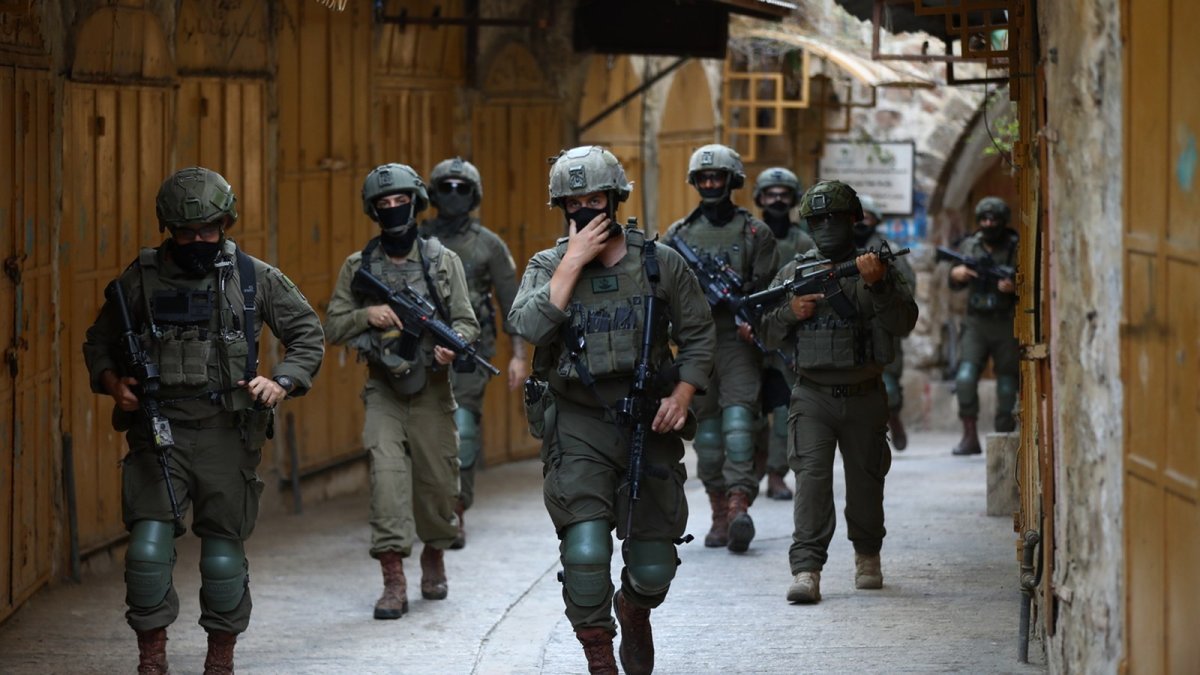
UN Experts Warn of Catastrophic Deterioration
GENEVA — UN human rights experts have condemned a sharp escalation in attacks against Palestinian civilians across the occupied Palestinian territory in July, warning of a further deterioration in an already catastrophic human rights situation. In a statement issued in Geneva, the experts registered alarm at a surge of violence that has touched nearly every aspect of Palestinian life, from the bombardment of displacement camps in Gaza to lethal delays at military checkpoints in the West Bank.
The warning comes against the backdrop of a ceasefire that the experts note is only "nominally in force since October 2025" — a truce that, on the ground, has done little to shield Palestinian families from daily killings, forced displacement, hunger and the systematic destruction of homes, farmland and water infrastructure.
July's Toll in Gaza: 160 Killed Despite Ceasefire
The experts said Israeli forces killed about 160 Palestinians in Gaza in July alone, bringing the death toll in the ravaged enclave since the so-called ceasefire to more than 1,200. This includes women, children, older persons and others who had taken shelter in tents and areas to which they had been directed for their own safety.
"Most killings occurred in densely populated displacement zones such as Al-Mawasi, far from the so-called yellow line. Nowhere in Gaza is safe," the experts said. Al-Mawasi, a sandy coastal strip along the southern edge of the enclave, has repeatedly been designated by the Israeli military as a humanitarian zone — yet it is precisely there that the July death toll was heaviest, with families living in makeshift tents and flimsy shelters struck while they slept or searched for water.
The deaths were not incidental. They occurred in areas where hundreds of thousands of displaced civilians have been concentrated, raising profound questions about the conduct of a military campaign in which the places of refuge have themselves become the killing fields.
The "Yellow Line" and Gaza's Re-Engineering
The experts reported with alarm that entire residential blocks receive evacuation orders just before fighter jets destroy them, deepening an already severe shelter crisis. Palestinians, the statement indicates, are given little or no time to gather their belongings, and nowhere to go once they leave. Many families have been displaced multiple times, each evacuation pushing them into smaller, more exposed patches of ground.
"The continuous westward advancement of the so-called yellow line, the construction of a 23-kilometre barrier along it and the systematic detonation of residential buildings are re-engineering the geography of illegally occupied Gaza through force and displacement," the experts said.
The statement also condemned strikes on hospitals and shelters, the killing of police officers and UN-contracted staff, and attacks on fishers trying to earn a living from the sea. The experts further noted abductions and abuses by armed groups reportedly collaborating with the Israeli military, as well as the killing of humanitarian workers, who, they stressed, are human rights defenders through their work protecting and promoting fundamental human rights. "The genocide is continuing unabated," the experts said.
Hunger and Blocked Humanitarian Access
The experts warned that food aid is still not entering Gaza freely, while the products that do arrive through commercial channels are ultra-processed and "neither nutritionally nor culturally adequate." For a population that has endured months of near-total siege, the quality of what little food arrives matters as much as the quantity.
"With farmland and clean water inaccessible and agricultural inputs blocked, Palestinians are unable to feed themselves," the experts said. The burden, they added, is falling heaviest on children, older persons and those with disabilities — the members of society least able to withstand prolonged deprivation.
Food insecurity, the experts warned, is also fueling a rise in gender-based violence and child marriage, and is endangering women in their daily searches for food. The simple act of finding something to feed a family has become a journey through danger, exposing women to harassment, violence and the risk of detention or death.
West Bank: Lethal Movement Restrictions
In the occupied West Bank, including East Jerusalem, the experts deplored the killing of at least 14 Palestinians in July, most of them in the final 10 days of the month. The toll extends beyond those killed by gunfire and military raids to include deaths resulting from movement restrictions — among them the death of a four-month-old baby and a pregnant woman's miscarriage after ambulances were blocked at military gates.
"When checkpoints and gates threaten the lives of infants, pregnant women and their unborn children, movement restrictions become lethal instruments," the experts said. Across the West Bank, from Hebron in the south — where Israeli forces have used iron barriers to block entrances and exits, restricting Palestinian movement — to Nablus, Al-Bireh and East Jerusalem, a sprawling system of checkpoints, turnstiles and closed military zones determines who reaches a hospital, who reaches a field, and who reaches home alive.
Settler Terror: Tell and the Weekend of Pogroms
The experts were particularly shocked by the surge in settler terror, culminating on 24 July in Tell, southwest of Nablus, where four Palestinian men from one family were shot and killed during clashes involving armed settlers and soldiers. In the days that followed, some 80 Tell residents were detained, emptying the community of its men even as the families of the dead began their mourning.
More than 20 pogroms were recorded across the West Bank in a single weekend following the Tell killings — mosques, homes and rural farms burned, water infrastructure destroyed, entire communities forcibly displaced. These were not isolated incidents of vandalism; they were coordinated assaults that shredded the fabric of Palestinian villages and left families with a choice between flight and further violence.
"Settler terror is not spontaneous; it operates with the protection, and often the participation, of the Israeli occupation forces, in tandem with record settlement expansion, mass demolitions, land seizures and the prolonged sealing of refugee camps — all sustained and encouraged by members of the Israeli cabinet," the experts said.
International Law: The Unheeded ICJ Advisory Opinion
The experts recalled that in its Advisory Opinion of 19 July 2024, the International Court of Justice found Israel's continued presence in the occupied Palestinian territory unlawful and called for it to be brought to an end as rapidly as possible. The Court also found Israel's settlement policy to be in violation of international law.
"Two years on, rather than being compelled to comply, Israel has been allowed to accelerate the very policies the Court found unlawful," the experts said. That acceleration is visible in the settlement expansion, the mass demolitions, the advancing yellow line in Gaza, and the settler pogroms documented across the West Bank.
"States that aid or assist Israel — politically, militarily or financially — in maintaining this unlawful situation are themselves in breach of international law. This strikes at the heart of the multilateral legal order, all the more so amid a genocide and an openly declared campaign of ethnic cleansing."
Demands and the Human Meaning
The experts called for immediate compliance with the ICJ Advisory Opinion and provisional measures orders, namely a cessation of attacks against civilians, respect for the ceasefire, unimpeded humanitarian access, accountability, and concrete steps by third states to ensure respect for international humanitarian and human rights law.
Behind the statistics are human lives: a mother in Al-Mawasi shielding her children in a tent, the family of four men buried in a single day in Tell, a father in Hebron separated from his wife in labour by an iron barrier, a grandmother in Gaza walking hours for water that may not be clean. The experts' language is stark, but it cannot fully capture the weight of grief borne by Palestinian families this July.
The question now is whether the ceasefire — already "nominal" in the experts' assessment — can hold, and whether states with leverage over Israel will take the concrete steps required. Without that, the experts' warning is unambiguous: the catastrophe will deepen, the displacement will accelerate, and the international legal order, already hollowed out, will lose whatever meaning it still holds.
By Fatima Al-Rashid, Staff WriterThis article was produced with AI-assisted research and editorial support. Reporting is based on sources cited in the article.
What's Your Reaction?
 Like
0
Like
0
 Dislike
0
Dislike
0
 Love
0
Love
0
 Funny
0
Funny
0
 Wow
0
Wow
0
 Sad
0
Sad
0
 Angry
0
Angry
0

Gulf/MENA Correspondent at Global1.News. Based in Doha, covering Gulf politics, energy markets, diplomacy, and development across the Middle East and North Africa. Tracks the economic transformation of the Gulf states.














Comments (0)