
Ex-COA chief Cordoba sworn in as Supreme Court associate justice
Former Commission on Audit (COA) chairperson Gamaliel “Gambo” Cordoba took his oath of office as an Associate Justice of the Supreme Court on Thursday, November 19, 2026, before Chief Justice Rodil Zalameda.
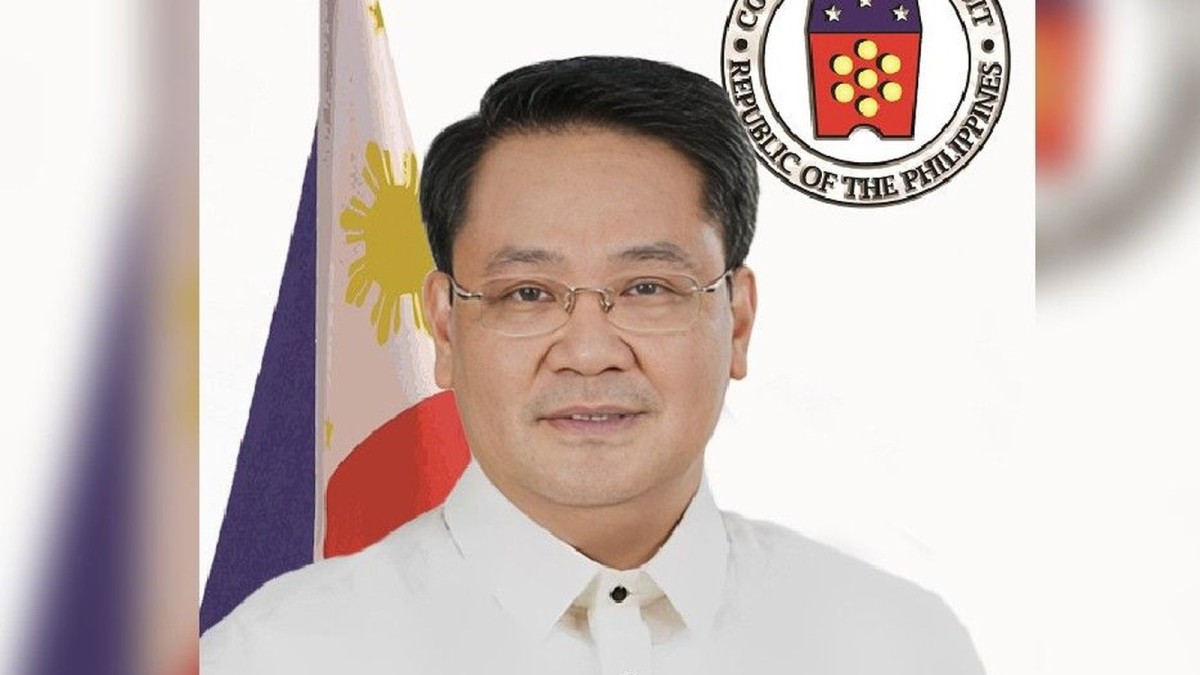
Former Commission on Audit (COA) chairperson Gamaliel “Gambo” Cordoba took his oath of office as an Associate Justice of the Supreme Court on Thursday, November 19, 2026, before Chief Justice Rodil Zalameda. The ceremony, held in Manila, marked the latest step in a career that has spanned more than two decades of public service, from the Office of the President to the nation’s highest court. Cordoba’s elevation to the bench comes at a time when the Supreme Court’s composition is shifting, with President Ferdinand Marcos Jr. now having appointed three justices, including Cordoba. For ordinary Filipinos—from barangay officials to sari‑sari store owners—the appointment carries implications for how the law will be interpreted on issues that touch daily life, such as government accountability, public procurement, and the protection of basic rights.
From the President’s Office to the Supreme Court
Before his four‑year term as COA chairperson (2022‑2026), Cordoba built his reputation within the Executive Office of the President. He entered the presidential staff as a technical assistant with the rank of Director IV in 2001, a role that placed him at the nexus of policy formulation and implementation. In 2002, he was promoted to assistant executive secretary, a position he held for a year before moving up to undersecretary from 2003 to 2006. His stint as appointments secretary, with the rank of undersecretary, from 2006 to 2007 further deepened his exposure to the mechanics of government staffing and the legal underpinnings of executive decisions.
These successive roles gave Cordoba a front‑row seat to the inner workings of the Malacañang Palace, where he was tasked with coordinating appointments, reviewing executive orders, and ensuring that the President’s agenda was legally sound. For many Filipinos, the significance of such behind‑the‑scenes work is often invisible, yet it shapes the delivery of public services that affect everything from the timing of jeepney routes to the distribution of health supplies in remote barangays. Cordoba’s experience in these capacities suggests he brings to the Supreme Court a deep familiarity with the executive branch’s procedural landscape.
The COA Tenure: A Record of Fiscal Oversight
When President Ferdinand Marcos Jr. appointed Cordova as COA chairperson in 2022, the nation was still grappling with the fiscal fallout of the pandemic and the rising cost of living. As the head of the agency tasked with auditing government agencies and ensuring the proper use of public funds, Cordoba oversaw audits that touched every level of government—from the Department of Health’s pandemic response to the procurement practices of local government units (LGUs). His tenure coincided with a period of heightened public demand for transparency, especially as many Filipinos faced higher prices for basic goods and services.
While the source material does not detail specific audit findings, Cordoba’s four‑year stewardship of COA placed him at the center of efforts to curb waste, fraud, and abuse of public resources. For barangay captains and small business owners, the work of COA can translate into more reliable delivery of social services, clearer rules for local contracts, and a greater sense that taxpayer money is being guarded against corruption. Cordoba’s reputation as a diligent auditor therefore carries weight in how his judicial philosophy might approach cases involving government accountability.
Legal and Administrative Experience Beyond COA
In addition to his roles in the President’s Office and COA, Cordoba served as director of the Philippine Amusement and Gaming Corporation (PAGCOR) from 2008 to 2009. PAGCOR, a government‑owned and controlled corporation, manages casino operations and generates significant revenue for the national treasury. Steering such an entity required navigating complex regulatory frameworks, balancing revenue generation with public policy concerns about gambling, and ensuring compliance with both fiscal and ethical standards.
This brief but notable stint added a layer of private‑sector regulatory insight to Cordoba’s portfolio. The experience is relevant for future Supreme Court cases that may involve the regulation of gaming, online betting, or other emerging industries where public interest and private profit intersect. For ordinary Filipinos, decisions in these areas can affect everything from the availability of jobs in casino‑run communities to the social costs associated with gambling addiction.
The Significance of the Third Marcos‑Appointed Justice
With Cordoba’s appointment, President Marcos Jr. has now placed three of his chosen candidates on the Supreme Court bench. This development is noteworthy because the composition of the Court influences how constitutional questions are answered, especially those that touch on the balance of power among the three branches of government. While the source material does not specify the other two justices, the pattern suggests a strategic effort to shape the Court’s ideological tilt.
For the Filipino electorate, the presence of multiple justices appointed by the same president raises questions about judicial independence and the safeguarding of democratic checks and balances. Yet it also offers an opportunity for those justices to demonstrate impartiality by adjudicating cases on their merits, reinforcing public confidence that the Court remains a bastion of justice rather than a political instrument.
Transition from Amy Lazaro‑Javier to Cordoba
Justice Amy Lazaro‑Javier retired on November 16, 2026, after reaching the mandatory retirement age. Her departure opened the seat that Cordoba now fills. Lazaro‑Javier’s tenure was marked by a reputation for meticulous legal reasoning and a focus on human‑rights jurisprudence, particularly in cases involving labor rights and environmental protection. The transition presents an opportunity for continuity as well as change.
Observers note that Cordoba’s background—rooted in fiscal oversight and executive administration—differs from Lazaro‑Javier’s more traditional judicial trajectory. This shift could bring a fresh perspective to the Court’s deliberations, especially on matters of public finance and administrative law. For communities across the archipelago, the way the Court interprets budgetary allocations, procurement rules, and anti‑corruption statutes can directly affect the quality and reach of public services, from health clinics in Mindanao to school infrastructure in the Visayas.
Implications for Governance and the Rule of Law
The appointment of a former COA chair to the Supreme Court underscores the growing interconnection between fiscal accountability and judicial oversight. As the nation continues to rebuild from the economic strains of recent years, the Court’s role in interpreting laws that govern public spending becomes ever more critical. Cordoba’s experience auditing government agencies may inform a more rigorous scrutiny of cases that involve alleged misuse of public funds or disputes over contractual obligations.
Moreover, Cordoba’s extensive service within the Office of the President equips him with an insider’s understanding of executive intent, which could prove valuable when the Court is called upon to resolve conflicts between executive orders and constitutional limits. For the average Filipino, such decisions can shape the delivery of essential services, the enforcement of pandemic‑related health measures, and the protection of civil liberties during times of national emergency.
Looking Ahead: What Cordoba’s Tenure May Mean for Ordinary Filipinos
As Cordoba settles into his role as Associate Justice, the eyes of barangay councils, civil society groups, and ordinary citizens will be on how he applies his administrative and fiscal expertise to the bench. Cases that may come before the Court in the coming years—ranging from disputes over government contracts for infrastructure projects to challenges against executive proclamations—will test his ability to balance technical knowledge with the broader principles of justice and equity.
In a country where the rule of law often intersects with daily survival—whether it is a farmer seeking redress for land disputes or a small‑scale vendor navigating licensing requirements—Cordoba’s decisions will ripple through communities. If his tenure reflects a commitment to transparency, accountability, and the protection of rights, the impact could be a more trustworthy public sector and a judiciary that reinforces the democratic ideals cherished by Filipinos. As the nation watches, the hope is that this new justice will uphold the spirit of bayanihan, ensuring that the law serves not just the powerful, but every Filipino striving for a better tomorrow.
This article was produced with AI-assisted research and editorial support. Reporting is based on the source material cited below. Sources: Philstar.com; Global1.News (20 November 2026).
By Bella Reyes, Staff Writer
What's Your Reaction?
 Like
0
 Dislike
0
 Love
0
 Funny
0
 Wow
0
 Sad
0
 Angry
0

Philippines/Southeast Asia Correspondent at Global1.News. Manila-based journalist covering Philippine politics, environment, maritime security, and social issues. Passionate about marine conservation and the communities protecting the Philippines' natural heritage.













Comments (0)