
Households facing winter energy bills rise as UK gas prices hit four-year high
UK gas prices are at their highest since December 2022 and Brent crude has climbed back above $100 a barrel after fresh attacks on Iranian tankers, with experts warning the Ofgem price cap rise in January could be brutal for households this winter.
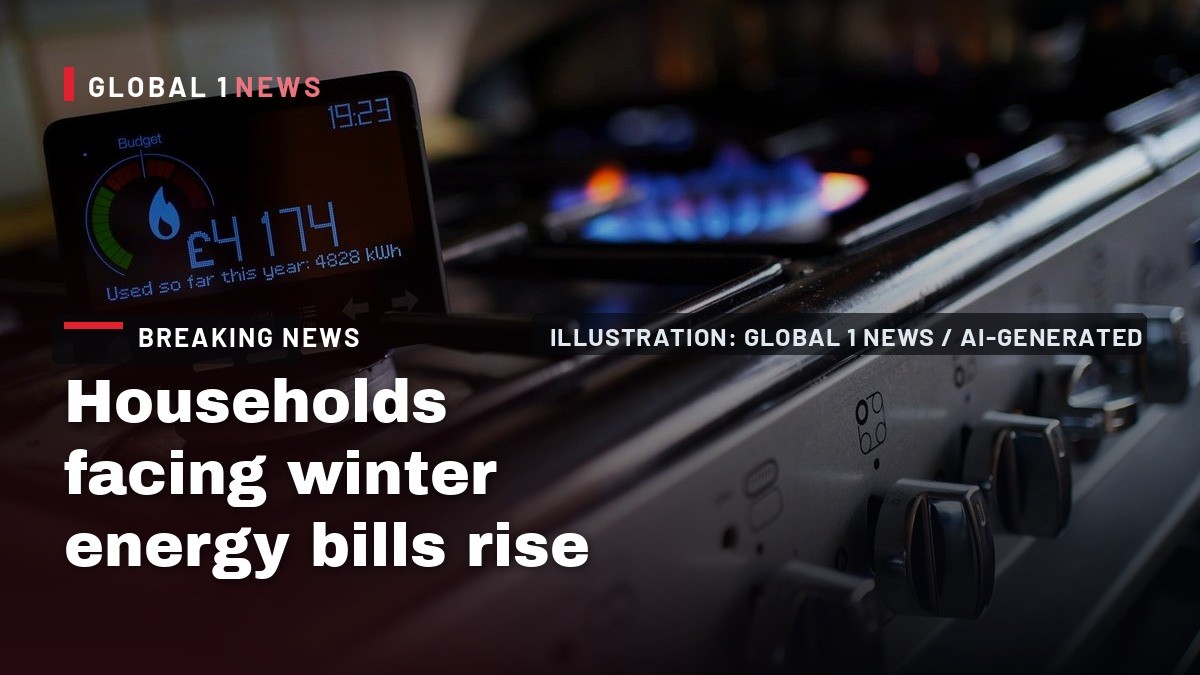
Households are bracing for another punishing winter after UK gas prices surged to their highest level since December 2022 and Brent crude oil climbed back above the 100 dollars a barrel mark, driven by escalating attacks on Iranian tankers in the Middle East.
Traders spent Wednesday reacting to news that multiple oil tankers had been struck in the Gulf region, with US officials confirming the attacks late on Tuesday night were retaliation for further attempted missile strikes on a Navy warship. The escalation, which comes after more than six months of fighting between the US and Iran, has dashed investor hopes that a peace deal could be reached this year.
The immediate market response was stark. Brent crude jumped by nearly 3% to around 100.50 dollars a barrel on Wednesday afternoon, the first time prices have breached the triple-figure threshold since late July. More significantly for British households, UK natural gas prices rose by approximately 3% to around 195p per therm — a unit of heat energy — marking the highest level since December 2022, when the country was still grappling with the fallout of Russia's full-scale invasion of Ukraine.
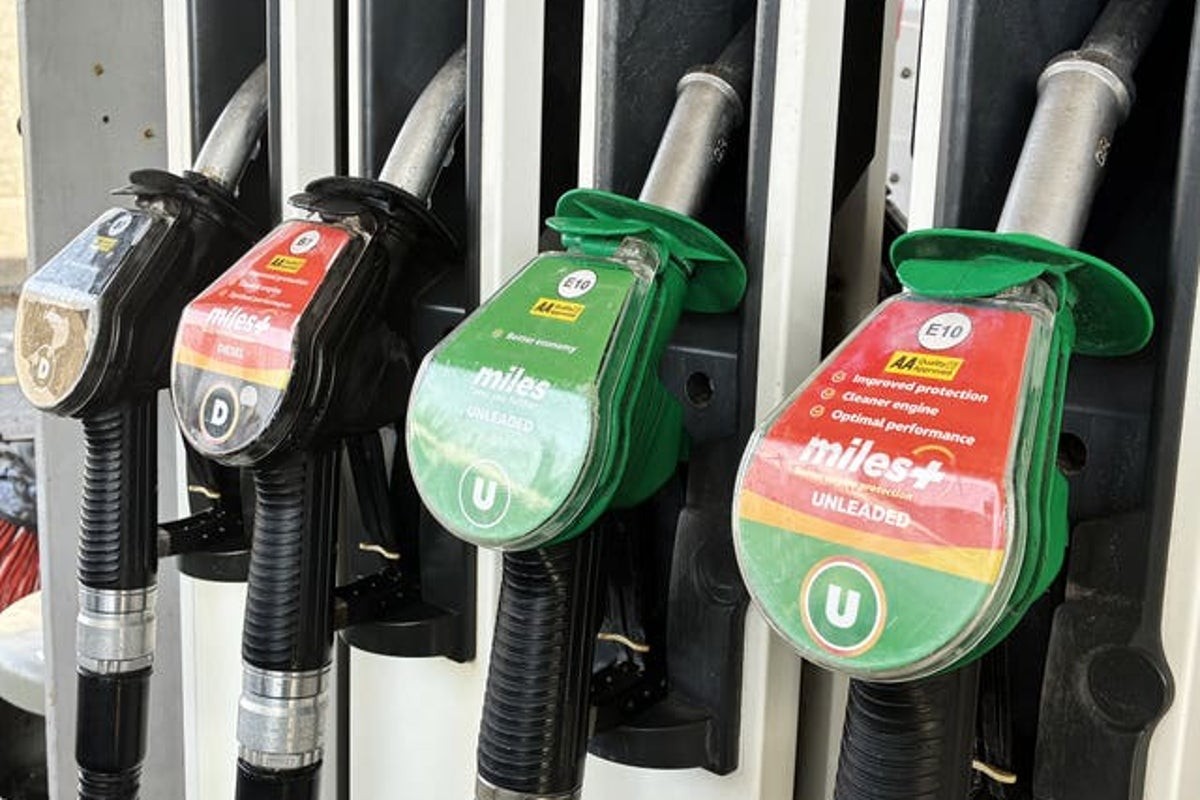
The knock-on effects are already visible at the pumps. Fresh data from the RAC shows the average price of petrol has climbed by 5p a litre in the last week to 167.17p, with diesel rising by the same margin to 188.63p. The motoring group noted that unleaded petrol has not been this expensive in four years.
With the conflict showing no signs of abating, experts are warning that the wholesale surge will feed directly into consumer bills just as the weather turns. The question now is not whether households will face higher costs, but how much worse the situation will become before spring.
Ofgem price cap set to rise as wholesale costs bite
The most immediate impact will be felt in October, when Ofgem's energy price cap rises by 4%. But analysts are already looking further ahead with growing alarm, predicting a significantly larger hike in the new year as the current wholesale prices feed into the cap calculation window.
Andrew Goodwin, chief UK economist at Oxford Economics, delivered a sobering assessment of the situation. "The increase in wholesale gas prices has more than offset the saving from the Government removing VAT from electricity bills between October and March," he said. "We think the price cap could rise by another 13% in January – wholesale prices are currently well above the level of the previous observation window, and our commodities team expect them to remain high in the near term."
That 13% figure would represent a substantial blow to household budgets, arriving at the coldest point of the year when energy consumption is at its peak. The temporary VAT removal, announced by the Treasury as a measure to cushion the October rise, is now being rendered largely ineffective by the sheer scale of wholesale cost increases.
The timing could hardly be worse for Westminster. With the cost-of-living crisis having dominated political discourse for the past several years, and with the Bank of England still wrestling to bring inflation down to its 2% target, another significant energy price shock threatens to unravel much of the progress made in recent months.
Simon Francis, who coordinates the End Fuel Poverty Coalition, was blunt about the implications. "The wholesale cost of gas has hit a high not seen since December 2022, while heating oil prices have also surged upwards again," he said. "The Ofgem price cap for January is being calculated on prices like these, which means it could be brutal for households already struggling."
Heating oil and heat network users face even earlier pain
While the price cap offers some degree of protection to the majority of households on standard variable tariffs, millions of people across the UK are not covered by the cap and will feel the impact of rising wholesale costs far sooner.
Francis highlighted this disparity, noting: "Those who use heating oil or are on some heat networks and are not on the price cap may see increases even sooner." This is a particular concern in rural areas of England, Scotland, Wales and Northern Ireland, where mains gas connections are often unavailable and households rely on oil-fired central heating. These are frequently the same communities that have been hardest hit by previous energy price spikes, with limited alternatives and often lower average incomes.
The situation is compounded by the fact that heating oil prices have surged in tandem with crude, leaving rural households exposed to the full force of international market volatility without the buffer of regulatory caps. For those on heat networks — communal heating systems serving blocks of flats and housing estates — the lack of price cap coverage means their bills are directly tied to wholesale costs, which are now climbing steeply.
Francis called on the Government to intervene, urging ministers to provide targeted support for struggling households and those already in energy debt. He also pressed for long-term structural solutions, arguing that the UK must "back the long-term energy efficiency measures that can protect the public from future market volatility."

Fuel prices at the pumps reach four-year highs
The pain is not confined to heating bills. Motorists are feeling the squeeze as well, with RAC data showing petrol prices have risen by 5p a litre over the past week to reach 167.17p. Diesel has followed the same trajectory, climbing 5p to 188.63p. According to the motoring group, the last time unleaded petrol was this expensive was four years ago.
The increases reflect both the rising cost of crude oil and concerns about supply disruptions in the Middle East, a region through which a significant proportion of the world's oil and liquefied natural gas passes. For UK drivers, the timing is particularly unwelcome, coming as families begin to plan autumn half-term travel and as businesses contend with higher transport costs that are likely to be passed on to consumers.
The RAC has previously criticised major fuel retailers for being slow to pass on wholesale price decreases to motorists while being quick to increase prices when costs rise. With the current trajectory pointing firmly upwards, there will be renewed scrutiny on whether pump prices are justified by market conditions or whether retailers are taking advantage of the situation to bolster margins.
For hauliers and delivery firms, the rising diesel costs represent a direct hit to operating margins. These costs will inevitably ripple through supply chains, contributing to the broader inflationary pressures that central banks are struggling to contain.
Inflation fears return as conflict becomes entrenched
The wider economic implications extend far beyond the energy sector. Susannah Streeter, chief investment strategist at Wealth Club, warned that the conflict is creating conditions for a renewed inflationary spiral just as the Bank of England was beginning to see progress.
"Far from showing signs of resolution, the conflict in the Middle East appears to be becoming more entrenched, creating chronic supply concerns around crude and gas, while intensifying trade battles threaten to push up the cost of goods just as central banks are trying to get inflation under control," Streeter said. "Given the sustained impact of higher energy prices, the worry is that firms will have little choice, other than to raise prices, which risks creating another inflationary spiral."
This assessment will make uncomfortable reading at the Treasury and the Bank of England. The Monetary Policy Committee has spent the past several years navigating a path between controlling inflation and avoiding a recession, and another external price shock threatens to complicate that balancing act considerably. If firms across the economy are forced to raise prices to cover their energy costs, the Bank may have little choice but to keep interest rates higher for longer, squeezing households who are already struggling with mortgage payments and rent.
The phrase "another inflationary spiral" is particularly worrying for policymakers, who had hoped that the worst of the cost-of-living crisis was behind the UK. The combination of elevated energy prices, trade tensions and supply chain disruption creates a toxic mix that could keep inflation stubbornly above target well into 2027.
Dependence on fossil fuels leaves UK exposed
Simon Cran-McGreehin, head of analysis at the Energy and Climate Intelligence Unit (ECIU), placed the current crisis in a longer historical context, noting that gas prices had not fully recovered from Russia's invasion of Ukraine in 2022. The Iran war, he argued, meant households and businesses were facing another winter of rising bills on top of an already elevated baseline.
"Only by getting off gas and oil can we protect ourselves from volatile international fossil fuel markets," Cran-McGreehin said. This argument is likely to resonate with those in Westminster who have been pushing for accelerated investment in renewable energy, home insulation and heat pump deployment as both a climate measure and a strategic defence against international price shocks.
The UK's reliance on imported fossil fuels has been a persistent vulnerability, exposed first by the Ukraine war and now by the Middle East conflict. While North Sea production has declined in recent years, the country remains heavily dependent on gas for home heating and electricity generation, leaving consumers exposed to global market movements over which the Government has little control.
The case for energy independence has rarely been stronger. Every spike in international gas prices translates directly into higher bills for British households, and every geopolitical crisis in energy-producing regions sends shockwaves through the UK economy. The Government's stated commitment to net zero by 2050, and its more immediate targets for decarbonising the power sector, take on renewed urgency when viewed through the lens of energy security rather than purely environmental concerns.
For now, however, the immediate priority for ministers will be damage limitation. With the October price cap rise already confirmed and a potentially far larger January increase looming, the pressure is mounting on the Government to announce additional support measures for the most vulnerable households. The temporary VAT removal on electricity bills was a start, but as Oxford Economics has made clear, it is being entirely offset by wholesale price increases.
The coming months will test both the resilience of British households and the credibility of the Government's energy strategy. With gas prices at four-year highs, crude above 100 dollars a barrel, and no end in sight to the Middle East conflict, the prospect of a comfortable winter is receding rapidly. For millions of families already stretched thin, the question is not whether bills will rise, but how they will cope when they do.
By Erica Thornton, Staff Writer
This article was produced with AI-assisted research and editorial support. Sources: The Independent.
What's Your Reaction?
 Like
0
Like
0
 Dislike
0
Dislike
0
 Love
0
Love
0
 Funny
0
Funny
0
 Wow
0
Wow
0
 Sad
0
Sad
0
 Angry
0
Angry
0

US Politics and Policy Correspondent at Global1.News. Based in Washington DC, covering American politics, policy, elections, and the courts. Knows how the system works and tells you what it actually means.













Comments (0)