
Uganda Beats Ebola as Congo's Outbreak Turns Deadly
Uganda has contained Ebola with just 20 cases and two deaths while the Democratic Republic of Congo battles its worst-ever outbreak, with more than 1,500 lives lost. A look at how preparedness, early detection and community cooperation made the difference.
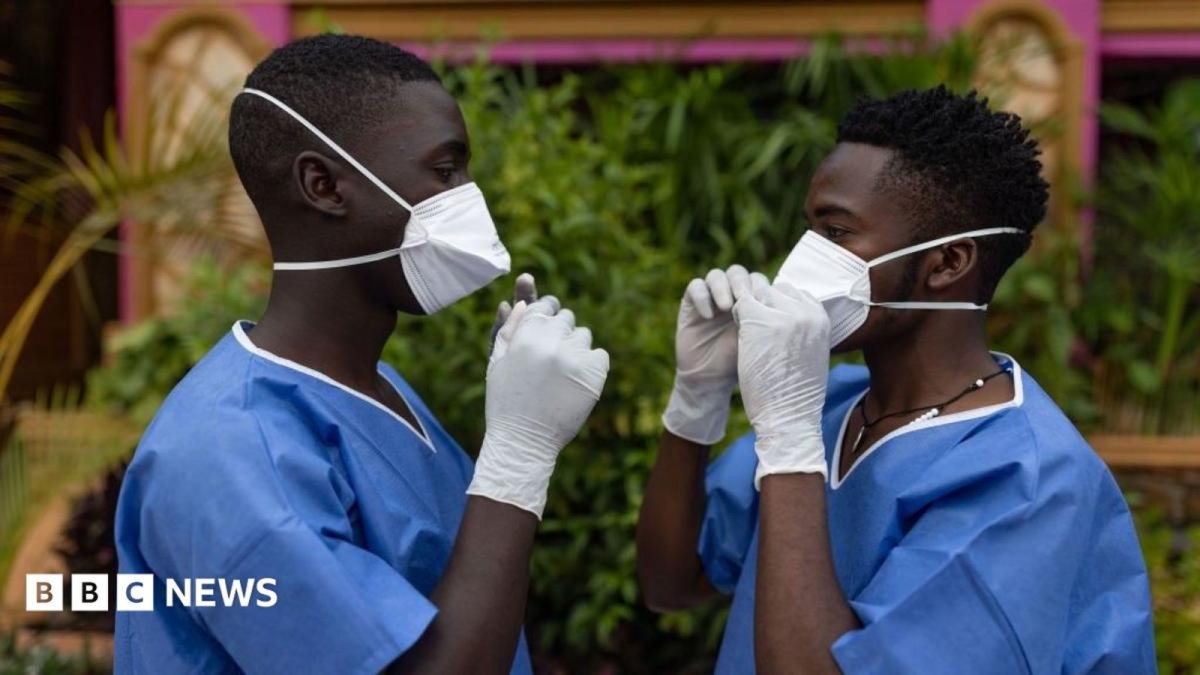
The contrast between how two neighbouring countries have handled the same deadly virus could not be starker. While the Democratic Republic of Congo battles its worst Ebola outbreak on record, Uganda has already discharged its final patient and returned to a sense of cautious normalcy. The difference lies in years of preparation, swift action and hard-won experience that one nation has turned into a practical shield.
Uganda Beats Ebola as Congo's Outbreak Turns Deadly
Kampala, Uganda - As Congo's health workers race to contain a virus that has already killed more than 1,500 people, officials here are celebrating a very different outcome. Uganda's last Ebola patient walked out of hospital two weeks ago, and no new cases have followed.
Uganda Beats Back Ebola While Neighbours Struggle
Uganda recorded just 20 cases and two deaths after the outbreak was declared on 15 May 2026. Two weeks ago the country's last Ebola patient walked out of hospital, prompting its health minister to describe a "moment of joy." The World Health Organization's Uganda chief, Dr Kasonde Mwinga, told the BBC the low numbers were "not by luck or chance" but because "people invested in preparedness."
Across the border the picture remains grim. As of 30 July 2026 the Democratic Republic of Congo had 3,605 confirmed cases and 1,587 deaths, a fatality rate of 44 percent. The Bundibugyo strain is spreading faster than in previous outbreaks, with the past week alone bringing 567 new cases and 296 deaths. The World Health Organization has warned that the outbreak is "intensifying, with sustained transmission and continued increases in reported cases and deaths."
The Worst Outbreak Congo Has Seen
This is the 17th Ebola outbreak in DR Congo since the virus was first identified fifty years ago. It has already surpassed the 2018-2020 epidemic that recorded nearly 3,500 cases. The centre lies in Ituri province in the northeast, yet the virus has also reached North and South Kivu provinces where large areas remain under the control of the Rwanda-backed M23 armed group. Insecurity, population displacement and cross-border movement continue to hamper every response effort.
The absence of an approved vaccine or treatment for the Bundibugyo strain adds another layer of difficulty. Vaccines are under development in the UK and Singapore, but for now communities face the disease with limited medical tools. The World Health Organization noted that factors like insecurity and mobility increase the risk of further geographical spread across the region.
In late July the pace of new infections reached an exceptional level, with the highest weekly totals recorded so far. The surge shows how the Bundibugyo strain exploits gaps in detection across provinces already strained by years of displacement and mobility. Over the past fifty years Ebola has claimed fifteen thousand lives across Africa, placing the current emergency within a long pattern of recurring regional threats that repeatedly test fragile health systems.
International cases linked to the outbreak, including one in France and two treated in Germany, point to wider implications for cross-continental preparedness. A UK humanitarian worker placed under monitoring in London shows how movement from the affected zone can quickly involve distant health services. The spread also raises the economic stakes for trade corridors connecting East and Central Africa when outbreaks extend beyond their initial hotspots.
Preparedness Built on Hard Lessons
Uganda has faced nine Ebola outbreaks since 2000. Each one left behind practical knowledge that officials now apply without hesitation. Government spokesperson Alan Kasujja put it plainly: "We know Ebola. It's been here a few times, we know how to deal with it."
A telling example dates back to 2011 when a twelve-year-old girl arrived at a hospital in Luwero district. Health workers immediately isolated her, wore protective equipment and sealed her body after she died three hours later. A blood sample later confirmed Ebola, yet no further cases emerged because the precautions had already stopped transmission. Those same reflexes remain active today.
How Uganda Caught the Cases Early
The first known case in Uganda this time was a man from DR Congo who crossed the border seeking treatment. Once multiple imported cases were confirmed, authorities activated the specialist Ebola treatment centre at Mulago hospital in Kampala. The facility had been used during last year's outbreak and still held leftover supplies and an emergency medical team on standby. Dr David Kaggwa, head of the unit, explained that it took only one day to sort additional supplies and become fully operational.
Of the twenty people who tested positive, fifteen had come from DR Congo. After the joint declaration of the outbreak on 15 May, people with symptoms went straight to the treatment unit rather than passing through general hospitals. This reduced opportunities for community spread. Uganda also closed the border with DR Congo despite the financial hardship this created for traders who move between the two countries.
Uganda's nine previous outbreaks since 2000 have built a practical understanding of isolation and contact management that allowed rapid activation of existing treatment capacity. Officials said the low casualty count resulted from sustained investment in preparedness rather than chance, enabling teams to move symptomatic people directly into dedicated units and limit wider exposure.
Border restrictions, though creating hardship for cross-border traders, formed part of a coordinated approach that reduced opportunities for further imported infections. Repeated exposure to the virus has also fostered community-level awareness, allowing authorities to channel resources efficiently once cases appeared. The experience offers a model for neighbouring countries facing similar mobility risks.
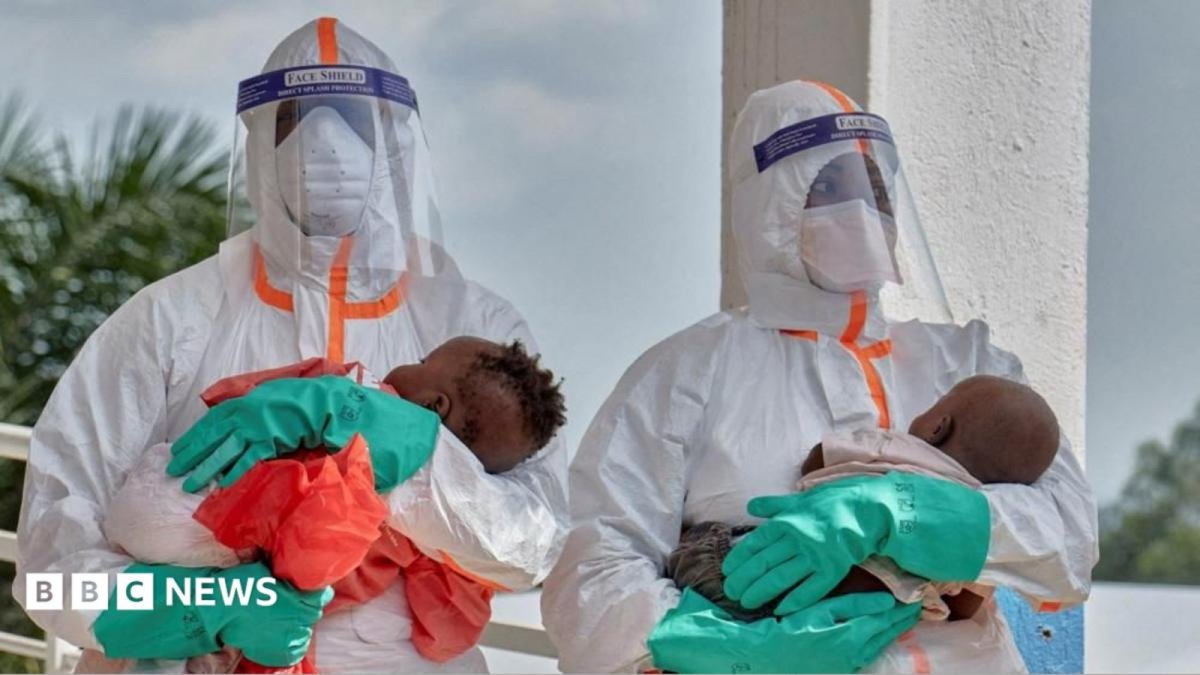
(BBC)
Why Congo Is Still Chasing the Virus
In DR Congo the virus had already circulated undetected for weeks before the 15 May declaration. Health officials had been testing only for common Ebola species and missed the rarer Bundibugyo strain. Surveillance teams now struggle with poor planning, logistical bottlenecks and inexperienced staff. One field investigator in Bunia told Reuters: "We discover the disease only after it has already spread. We're just chasing it."
Eastern DR Congo has lived under military rule in Ituri for several years as the army confronts dozens of armed groups. Further south, M23 rebels control large territories. These conditions make contact tracing and safe burials extremely difficult, allowing the virus to keep moving ahead of responders.
Surveillance shortfalls in eastern provinces have allowed the virus to advance ahead of response teams, turning what might have been a containable event into a drawn-out crisis. Insecurity under prolonged military operations and the presence of multiple armed groups complicate every aspect of contact tracing and safe burial practices. The convergence of displacement, cross-border movement and logistical bottlenecks increases the chance of further spread into new areas.
The delay in identifying the rarer Bundibugyo variant eroded the window for early intervention, and historical patterns in the region show such delays compound economic disruption for communities already facing restricted access to services. Neighbouring states are therefore assessing their own surveillance capacity to avoid similar setbacks.
What Happens Next
Uganda's experience shows that early detection, ready facilities and community cooperation can stop Ebola even when cases cross borders. DR Congo's challenges highlight how insecurity and gaps in surveillance turn a containable threat into a prolonged crisis. Neighbouring countries across East and Central Africa are watching closely, aware that the same virus does not respect national lines and that sustained investment in preparedness remains the clearest defence.
Development of vaccines in Singapore and the United Kingdom offers a potential future layer of protection, yet current response efforts must rely on existing tools while trials advance. The pattern of past outbreaks suggests that consistent cross-border coordination and community engagement will determine whether the current pace of transmission can be reversed before further international cases emerge.
By Amara Diop, Staff Writer
This article was produced with AI-assisted research and editorial support. Reporting is based on sources cited in the article.
What's Your Reaction?
 Like
0
Like
0
 Dislike
0
Dislike
0
 Love
0
Love
0
 Funny
0
Funny
0
 Wow
0
Wow
0
 Sad
0
Sad
0
 Angry
0
Angry
0

West Africa/Sahel Correspondent at Global1.News. Dakar-based journalist covering politics, security, climate, and development across Francophone and Anglophone West Africa. Tells the stories of a region undergoing profound transformation.














Comments (0)