
TNVS Riders and Gig Workers May Access SSS-Linked Benefits for Work Injuries
DOLE says registered SSS platform workers, including TNVS drivers and delivery riders, can claim income, medical, disability and funeral benefits under the Employees' Compensation Program for work injuries. The article details eligibility, low monthly contributions, and the three-year filing window.
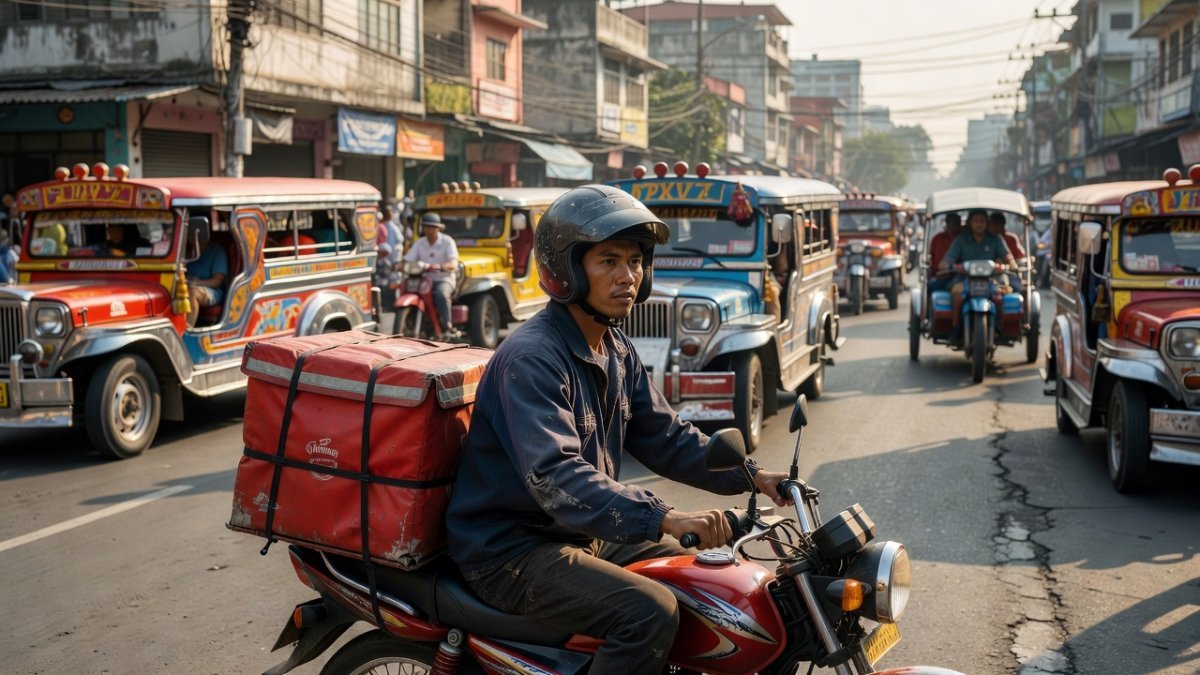
DOLE Shares Update on Benefits for Platform Workers
Delivery riders, ride-hailing drivers, and other platform workers may now look into income and medical support through a government program if they suffer work-related sickness, injury, disability, or death. The Department of Labor and Employment made this announcement on Monday, August 3, highlighting the Employees' Compensation Program for those registered with the Social Security System.
Many Filipino families rely on these jobs to put food on the table, send children to school, and keep sari-sari stores running in their barangays. The update connects directly to the daily realities of TNVS drivers navigating traffic and delivery riders balancing multiple apps during peak hours.
Platform and gig work in the Philippines today centers on app-based delivery and ride-hailing services that connect workers directly to customers through smartphones. Riders often log long hours on congested roads, sharing space with jeepneys and tricycles while managing tight delivery windows and fluctuating passenger demand. These roles provide flexible entry points for many households but also expose workers to constant traffic hazards and physical strain without traditional employer safeguards. A formal safety net therefore matters deeply for families who count on steady daily earnings to cover basic needs and community obligations.
Six Types of Support Under the Employees' Compensation Program
The program offers six specific benefits for qualified workers. Income benefits provide cash compensation for those who lose earnings due to temporary total disability, permanent total disability, or permanent partial disability from work. The daily sickness allowance for temporary total disability ranges from P110 to P480, with an additional P1,150 benefit for permanent disabilities.
Medical services, appliances, and supplies cover expenses for medicines, treatment, hospitalization, surgery, and necessary items, though confinement is limited to ward services. Rehabilitation services include remedial treatment and vocational assessment to help workers return to suitable employment.
Carer's allowance gives a P1,000 monthly payment to those whose permanent disabilities from work limit their ability to handle basic daily needs. Funeral benefit pays P30,000 to the surviving spouse, children, or anyone who can prove they covered the funeral costs of a worker who died from a work-related cause. Death benefit provides a pension to qualified beneficiaries when a worker passes away due to a compensable sickness or injury.
In practical terms, the daily sickness allowance can help offset lost wages when a rider cannot complete shifts, while medical coverage addresses hospital bills and rehabilitation needs that might otherwise drain household savings. The funeral benefit directly eases the sudden cost of burial arrangements, and the carer's allowance supports families caring for a permanently disabled member. The Employees' Compensation Commission strongly encourages all self-employed platform workers, including gig workers, app-based contractors, delivery riders, and TNVS drivers registered under the SSS, to review their eligibility and actively claim the financial and medical benefits available to them through the EC Program.
Who Qualifies and What Contributions Are Needed
DOLE stated that the program covers registered SSS members, including self-employed workers covered by the SSS since September 2020. A worker must be registered with the SSS and have paid at least one monthly contribution before the sickness, accident, or disability occurred. The sickness, injury, or death must also be work-connected, and the SSS must be notified of the incident.
Monthly contributions stand at P10 for employees or self-employed workers earning from P4,250 to P14,749.99 and P30 for those earning at least P14,750. This structure aims to support the growing number of gig workers who keep goods moving across cities and provinces.
The extension of SSS coverage to self-employed workers since September 2020 marked an important step toward recognizing platform labor as legitimate employment. The modest contribution tiers of P10 or P30 per month lower the barrier for low-income riders and drivers who often earn variable daily amounts, making participation realistic even for those with tight budgets. This accessibility helps ensure that workers in informal arrangements can still build eligibility for protection without facing prohibitive costs.
How Riders and Drivers Can File Claims
An EC claim can be filed with the SSS by either the self-employed individual or a family member. It must be submitted within three years of the incident, and the Employees' Compensation Commission has urged registered platform workers to actively review their eligibility rather than wait for an emergency to test the process.
DOLE noted that claims require proof the incident ties to work duties. Families in tight-knit communities often help one another gather documents, reflecting the bayanihan spirit that has long supported Filipino workers during tough times.
Filing begins with confirming SSS membership and preparing documents that link the incident to work duties, such as app logs or witness statements. The three-year window allows time for recovery and family coordination, while a family member may submit on behalf of an injured worker. Community networks frequently assist in collecting medical records and affidavits, embodying the bayanihan spirit that strengthens collective support during crises.
Why This Matters for Filipino Gig Workers and Their Families
Platform work has become a main source of income for thousands of households, especially as traditional jobs shift and more people turn to apps for flexible hours. Riders and drivers face daily risks on roads shared with jeepneys and tricycles, yet many have operated without clear paths to support when accidents happen.
This development arrives after years of discussions about protecting gig workers. It offers a potential safety net for families who depend on steady earnings to cover school fees, medical needs, and household expenses in their local areas. The source does not provide exact numbers on how many platform workers are currently registered or have filed claims.
Advocacy efforts over recent years have highlighted the need for formal protections as the platform workforce expands in urban and provincial areas. A recognized safety net can reduce the financial shock of injuries for households that rely on these earnings, shifting the burden of recovery away from individual families and community fundraisers.
Practical Steps for Claiming Benefits
Workers interested in the program should first confirm their SSS registration and contribution history. They can then gather records showing the work connection of any sickness, injury, or incident before filing through SSS channels within the three-year window.
Community leaders in barangays and kapitbahay networks may help spread the word so more riders and drivers learn about these options. While the program opens doors for eligible individuals, actual outcomes will depend on proper documentation and timely filing. The source does not detail current processing times or approval rates for such claims.
1. Confirm SSS registration and contribution history through official channels. 2. Gather records that establish the work connection of the sickness or injury. 3. Prepare supporting documents such as medical reports and incident details. 4. File the claim with SSS within the three-year window, either personally or through a family member. 5. Seek assistance from barangay leaders or community networks for guidance on paperwork and submission.
By Bella Reyes, Staff Writer
This article was produced with AI-assisted research and editorial support. Reporting is based on sources cited in the article.
What's Your Reaction?
 Like
0
Like
0
 Dislike
0
Dislike
0
 Love
0
Love
0
 Funny
0
Funny
0
 Wow
0
Wow
0
 Sad
0
Sad
0
 Angry
0
Angry
0

Philippines/Southeast Asia Correspondent at Global1.News. Manila-based journalist covering Philippine politics, environment, maritime security, and social issues. Passionate about marine conservation and the communities protecting the Philippines' natural heritage.















Comments (0)