
High-needs autistic students ‘being kept from school’
In the bustling islands of the Caribbean, the promise of education is a cornerstone of community hope, yet for a growing number of teenagers on the autism spectrum in Barbados, that promise is slipping through the cracks.
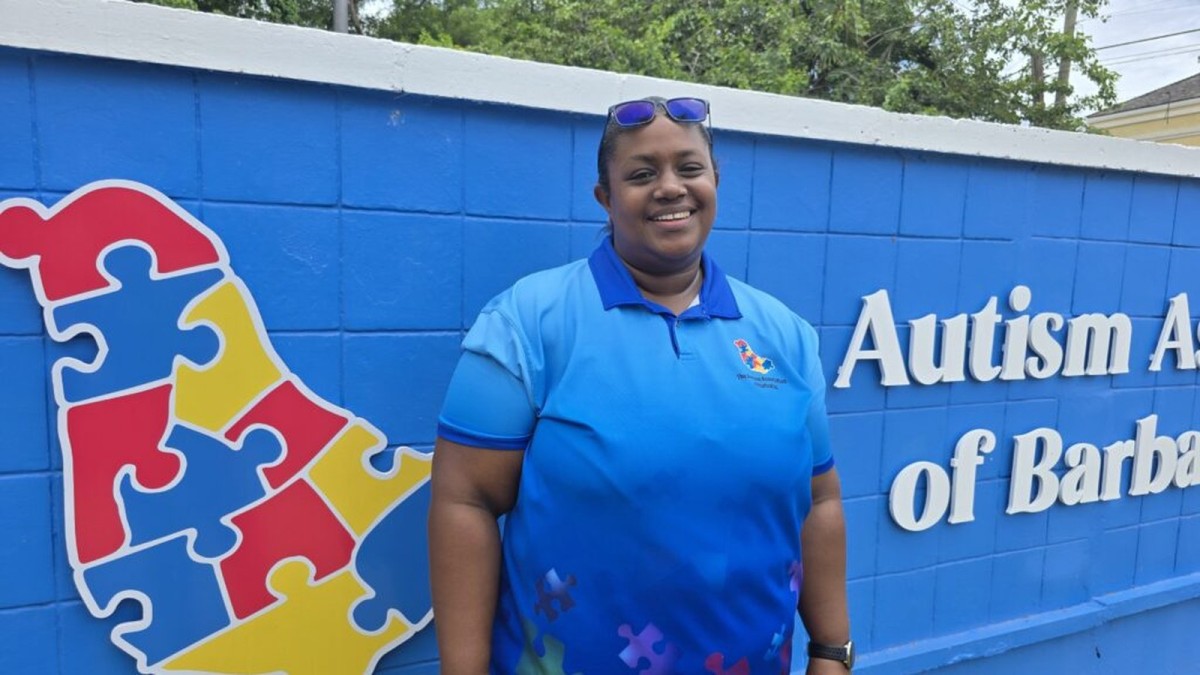
In the bustling islands of the Caribbean, the promise of education is a cornerstone of community hope, yet for a growing number of teenagers on the autism spectrum in Barbados, that promise is slipping through the cracks. The Barbados Autism Association has sounded an alarm that high‑needs autistic students are being kept out of school because many institutions will only enrol them if a paid aide is provided – a cost many families simply cannot shoulder. While the Ministry of Education Transformation says it was unaware of the specific cases, the association’s spokesperson, Nadia Simmons, insists the problem is real, persistent and symptomatic of deeper systemic gaps.
From Classroom to Home: The Plight of High‑Support Students
According to Simmons, the core issue centres on children with high support needs – those who require intensive, specialised assistance to navigate a typical classroom. “I would say the major challenge is the children with high support needs; they are being displaced,” she told Barbados Today. The displacement often takes the form of schools either refusing admission outright or pushing families to find an aide, a financial burden that many cannot meet. Simmons disclosed that she knows of at least two teenagers currently kept at home, and she believes the number is higher, noting a “sharp” increase in families facing this dilemma.
The situation is not simply a matter of individual school policies. Simmons explained that when a student presents challenges, schools sometimes resort to moving or expelling the student, leaving the ministry to “juggle where they would go.” This reactive approach, she argues, underscores a lack of proactive, collaborative planning to accommodate high‑needs learners within the mainstream education system.
Ministry’s Response: Awareness Gaps and Calls for Collaboration
Senior Student Support Officer Kaye Sargeant, representing the Ministry of Education Transformation, responded that she was not aware of the specific cases highlighted by the association. She urged the autism group to provide the names of any out‑of‑school students so the ministry could address each situation directly. “If she knows of that, let us know, because that certainly is not how we operate,” Sargeant said, emphasizing that compulsory education law mandates school attendance for all children.
Beyond the request for names, Sargeant outlined several initiatives aimed at keeping students on the spectrum in school. She highlighted the ministry’s work with parents, non‑governmental organisations, and the Autism Association to identify suitable programmes. Yet she also admitted that collaboration has been limited, noting that “we have not been able to collaborate with them to solve that problem” and that the ministry is eager to “work on that again.” This admission points to a communication gap that may be hindering timely solutions for families in need.
Financial Barriers: The Cost of Aides and Private Special Schools
One of the most pressing obstacles identified by the association is the financial burden of hiring a personal aide. Many parents simply cannot afford an extra salary, leaving them with the stark choice of pulling their child out of school. While the government does cover school fees for autistic children attending private special schools and has expanded the pool of such schools, this support does not extend to the cost of aides, creating a critical funding shortfall for families seeking mainstream placements.
The association’s spokesperson stressed that the government’s efforts, though well‑intentioned, cannot meet the rising demand. “I would be the first to admit that we can’t provide for all children … the numbers are increasing,” Simmons said, highlighting the growing pressure on limited resources.
Therapeutic Shortages: Speech and Occupational Services in Crisis
Another glaring gap, according to Simmons, lies in the shortage of speech and occupational therapists – essential professionals for early intervention and ongoing support. She recounted her own experience, noting that her nine‑year‑old son was placed on a waiting list for speech therapy at the Albert C. Graham Development Centre when he was three, yet only received a call this year. This delay illustrates the broader systemic bottleneck affecting many families.
The association does not have precise data on the exact number of therapists required, but Simmons estimated that at least two or three additional speech therapists might be needed. She cautioned that the lack of accurate accounting makes it difficult to plan effectively, especially as parents may be on multiple waiting lists for various services.
Community Efforts: Membership Growth and Grassroots Initiatives
Despite the challenges, the Barbados Autism Association has seen a surge in membership, now counting about 320 members, including children, adults on the spectrum, and their families. This growth, occurring over the past three years, reflects a rising awareness and a collective desire for support. The association has also launched a Basic Life Skills Programme – a one‑year pilot aimed at equipping autistic youth with essential daily living skills. Simmons hopes that success in this pilot will justify a larger facility and expanded services for adults, though funding remains a persistent hurdle.
Funding drives tend to peak during Autism Month in April, when calls for support surge. After this period, the association must “knock a lot harder and send a lot more emails” to sustain its programmes, underscoring the precarious nature of financial backing for autism services on the island.
Post‑School Pathways: Limited Options for Young Adults
Transitioning from school to adulthood presents another set of challenges. While the Derek Smith School and Vocational Centre offers programmes up to age 25, and Lifelong Skills Training Incorporated provides limited lifelong learning options, the overall landscape remains sparse. Simmons described the current situation as “just now us and the Lifelong Learning programme,” signalling a dearth of structured support for autistic individuals beyond the school years.
This gap in post‑school services mirrors a broader regional issue, where many Caribbean nations grapple with limited adult disability programmes. The scarcity of vocational training and independent living support can trap autistic young adults in a cycle of dependency, making the need for expanded, coordinated services all the more urgent.
Looking Ahead: The Need for Systemic Change
The concerns raised by the Barbados Autism Association point to a systemic shortfall that extends beyond individual schools or ministries. High‑support autistic students are caught in a policy and resource limbo, where the lack of funded aides, therapist shortages, and insufficient post‑school pathways converge to keep them out of classrooms and, ultimately, out of the community’s future workforce.
Addressing these challenges will require more than ad‑hoc collaboration. It calls for a comprehensive strategy that includes: dedicated funding for aides, a clear plan to recruit and retain speech and occupational therapists, and the development of inclusive curricula that can accommodate level‑three autistic learners within mainstream schools. Moreover, sustained investment in transition programmes for young adults is essential to ensure that the promise of education translates into lifelong opportunity.
As the Caribbean grapples with broader social and economic pressures, the plight of autistic youth in Barbados serves as a stark reminder that inclusive education is not a peripheral concern but a core component of social equity. The ministry’s willingness to engage, coupled with the association’s growing community base, offers a foundation for change – provided that both sides move beyond dialogue to concrete, funded action. Only then can the island truly claim that every child, regardless of support needs, has a place in the classroom and a future in the community.
This article was produced with AI-assisted research and editorial support. Reporting is based on the source material cited below. Sources: Barbados Today; barbadostoday.bb; Global1.News (01 October 2026).
By Sharon Sahatoo, Staff Writer
What's Your Reaction?
 Like
0
Like
0
 Dislike
0
Dislike
0
 Love
0
Love
0
 Funny
0
Funny
0
 Wow
0
Wow
0
 Sad
0
Sad
0
 Angry
0
Angry
0

Caribbean Correspondent at Global1.News. Based in Port of Spain, Trinidad, covering Caribbean politics, economy, energy, climate, and culture. Amplifying the voices and stories of the Caribbean region.















Comments (0)