
COA Auditor: Sara Duterte Was Only VP With Confidential Funds in Day 11 Trial
In a recent ANC 24/7 report from the Senate impeachment court in Pasay City, Commission on Audit official Roderick Wamil detailed how Vice President Sara Duterte stood alone among past vice presidents and education secretaries in receiving confidential fund appropriations, a revelation that hits home for Filipino families who depend on transparent use of public money for schools and community services in places like Quezon City and Cebu. COA Witness Highlights Duterte's Exclusive...
In a recent ANC 24/7 report from the Senate impeachment court in Pasay City, Commission on Audit official Roderick Wamil detailed how Vice President Sara Duterte stood alone among past vice presidents and education secretaries in receiving confidential fund appropriations, a revelation that hits home for Filipino families who depend on transparent use of public money for schools and community services in places like Quezon City and Cebu.
COA Witness Highlights Duterte's Exclusive Confidential Funds Access on Day 11 of Impeachment Trial
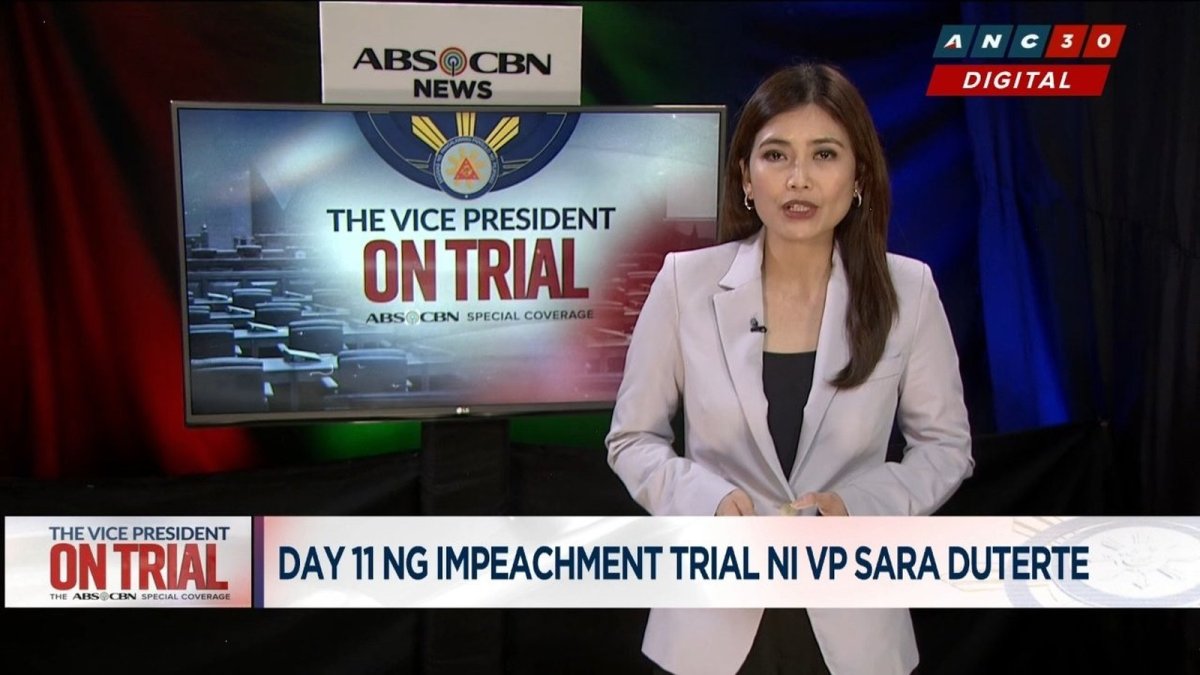
Manila, Philippines – today — The Senate impeachment court convened for Day 11 of proceedings against Vice President Sara Duterte on Monday, August 3, 2026, with 16 senator-judges forming a quorum at the Pasay City venue. Senator Imee Marcos opened the session with a prayer invoking angels of truth to shield the court from lies. The House prosecution panel called Commission on Audit official Roderick Wamil to testify under Article I, which charges misuse of P612.5 million in confidential funds split between the Office of the Vice President and the Department of Education.
Historical Background of the Impeachment Proceedings
The impeachment trial began July 6, 2026, after the House of Representatives impeached Duterte for a second time on May 11, 2026. She is the first vice president in Philippine history to be impeached and tried. The second impeachment was transmitted to the Senate after the first set of articles filed February 5, 2025 lapsed in the 19th Congress. This sequence marks a unique chapter in the operations of the House and Senate under the 1987 Constitution.
Ordinary Filipinos from provinces such as Davao del Sur to Pangasinan follow these steps because the process tests the strength of checks and balances that protect public resources. The delay between the first filing and the current trial shows how congressional timelines affect the pace of accountability cases involving high officials.
Breakdown of Alleged Confidential Fund Allocations
Article I alleges misuse of P612.5 million in confidential funds: P500 million from the Office of the Vice President and P112.5 million from the Department of Education during Duterte's tenure as Education secretary. These amounts represent funds drawn from the national budget approved by Congress and released through the Department of Budget and Management. The specific split highlights how allocations reached both the OVP and DepEd simultaneously.
Filipino taxpayers, including jeepney drivers in Manila and sari-sari store owners in Cebu, contribute to these budgets through everyday purchases and remittances. When such large sums move quickly without detailed activity plans, communities question whether resources meant for intelligence work truly serve national security or local needs like classroom construction.
Early Scrutiny During 2023 Budget Hearings
The OVP's 11-day spending of P125 million in December 2022 first surfaced in September 2023 during House budget deliberations on COA's proposed P13 billion budget for 2024, when Marikina Representative Stella Quimbo corrected a Makabayan bloc estimate of 19 days. COA issued a Notice of Disallowance on P73 million of the P125 million for violation of the 2015 Joint Circular limiting confidential funds to specific purposes. These early questions set the stage for the current Senate trial.
The timeline shows how budget oversight by the House Appropriations Committee can trigger deeper audits by COA. For families in rural barangays who rely on DepEd programs, any disallowance signals potential shortfalls in school supplies and teacher support that affect daily learning.
Testimony on Cash Withdrawal Procedures
On Day 10 last week, former LandBank branch managers Violeta Constantino of the Shaw Boulevard branch and Nenita Camposano of the DepEd branch testified that tranched cash withdrawals by OVP and DepEd special disbursing officers were unusual. Constantino facilitated four checks payable to OVP Special Disbursing Officer Gina Acosta amounting to P125 million each, personally encashed in December 2022. These transactions occurred under the rules set by the 2015 Joint Circular for confidential fund liquidation.
Such detailed banking records matter to ordinary citizens because they trace how public money leaves government accounts. When withdrawals happen in large tranches over a short period, residents in places like Quezon City wonder whether the same speed applies to approved projects for health centers or farm-to-market roads funded through regular channels.
Rules Governing Confidential Fund Use
Confidential funds are used by government agencies for activities that require confidentiality such as intelligence gathering, counterintelligence, and other security-related operations. COA audits these funds under strict rules defined by the 2015 Joint Circular and related regulations, requiring agencies to indicate specific activities and limiting liquidation timelines. The circular aims to balance operational secrecy with the need for documented accountability.
Filipino voters expect these safeguards to prevent misuse of taxes collected from OFW remittances and local businesses. When plans omit required activity details, the process raises concerns about whether funds truly supported authorized operations or simply bypassed standard reporting expected of agencies like the Philippine National Police.
Defense Responses During Day 11 Proceedings
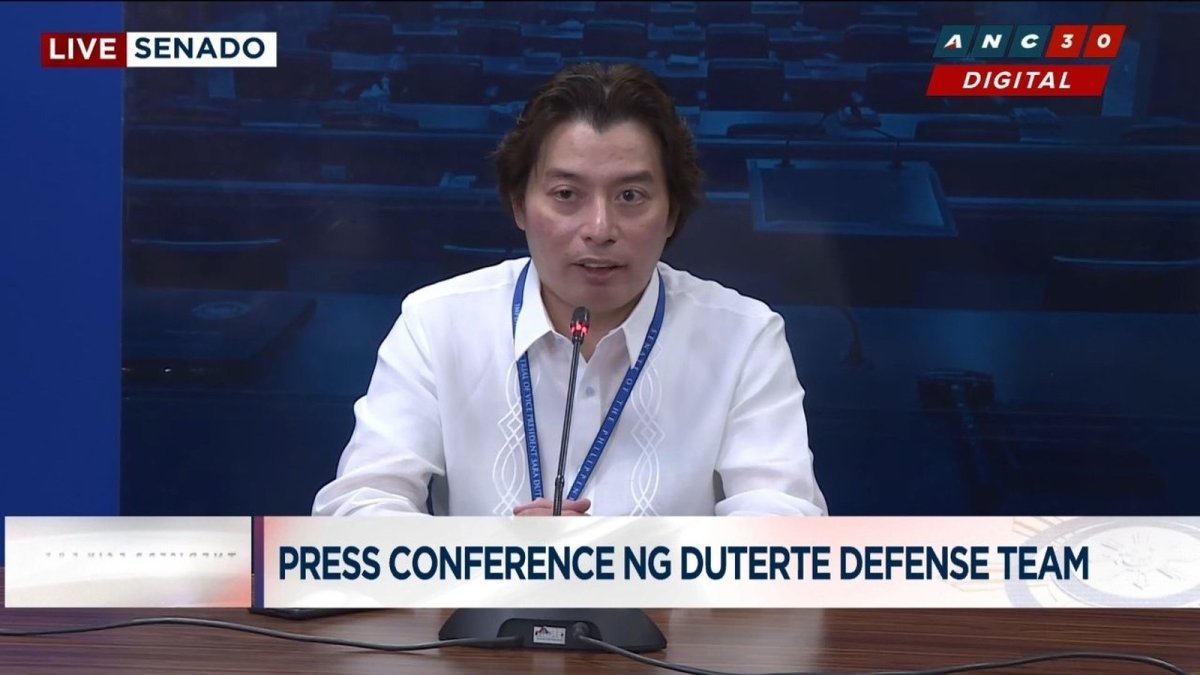
Defense counsel Michael Poa said Wamil's testimony revealed nothing new and that the defense will question the alleged 11-day confidential fund spending. He also said VP Sara has returned and that the defense is not afraid of evidence to come. These statements came after the prosecution presented evidence boxes during the Pasay City session presided over by Senate President Francis Escudero.
The defense maintains that the funds were legally authorized and disbursed for legitimate confidential activities. For communities watching the trial, such arguments underscore the need for clear proof of criminal intent before any official faces removal from office under Senate rules.
Public Attention and Institutional Stakes
The trial is entering its fifth week, with proceedings focusing on how confidential funds were allegedly used. The trial has drawn intense public attention, with legal analysts noting its implications for accountability of public officials, the 2028 presidential election, and public trust in democratic institutions. Senator-judges including Imee Marcos continue to hear testimony under the gavel of Senate President Escudero.
Residents across the archipelago view the outcome as a measure of whether Congress and the Senate can enforce rules equally on all officials. This attention connects directly to everyday reliance on stable governance from institutions such as COMELEC and local government units that deliver services funded by the same national budget.
Next Witnesses and Continued Examination
Upcoming prosecution witnesses include COA ICFAO Supervising Auditor Celine May Del Campo on Tuesday, August 4 and House LIRMD director Marivic Pareja on Wednesday, August 5. House lead prosecutor Gerville Luistro of Batangas 2nd District requested the subpoenas to build on existing testimony about compliance with the 2015 Joint Circular. Their appearances will further examine how confidential fund rules apply across the OVP and DepEd.
These scheduled testimonies keep the focus on documentation required for every peso spent. Families in provinces from Baguio to Davao track the schedule because continued hearings determine whether accountability standards will guide future budget releases by the Department of Budget and Management.
Stipulations and Evidence Presentation
Defense counsel Michael Poa declined to stipulate that the OVP received P125 million in confidential funds on December 20, 2022, and disbursed the amount within 11 days. Instead, Poa offered a counter-stipulation that President Ferdinand Marcos Jr. approved the release, which Kapunan accepted. Poa also refused to stipulate on more than 900 acknowledgment receipts dated December 21-31, 2022, citing separate marking and issues with those documents.
The prosecution displayed at least 15 boxes labeled Confidential Funds as part of its evidence presentation. These materials connect to the broader question of how quickly large sums can be liquidated while meeting COA requirements that protect public trust in agencies serving students and farmers nationwide.
Press Conference Remarks and Broader Implications
After the hearing, Atty. Poa told reporters that Wamil's testimony revealed nothing new and promised an explanation for the 11-day spending period. He added that he believed Vice President Duterte had returned to the country. ANC analyst Paolo Tamase noted the defense showed no fear of forthcoming evidence. The trial, which began July 6, 2026, follows the House's second impeachment of Duterte on May 11, 2026, marking the first time a Philippine vice president has faced such proceedings.
These developments matter for OFW families sending remittances home and jeepney drivers navigating daily economic pressures, as public trust in fund management shapes how Congress and the Supreme Court interpret accountability standards.
Upcoming Witnesses and Next Steps
House lead prosecutor Gerville Luistro of Batangas 2nd District requested subpoenas for COA ICFAO Supervising Auditor Celine May Del Campo, set to testify on Tuesday, August 4, and House Legislative Information Resources Management Department director Marivic Pareja, expected on Wednesday, August 5. Their appearances will build on Wamil's account and further examine how confidential fund rules apply across the OVP and DepEd. The outcome carries weight for communities in Davao, Baguio, and beyond, where residents look to institutions like COMELEC and the Philippine National Police for stable governance rather than prolonged political disputes.
By Bella Reyes, Staff Writer
This article was produced with AI-assisted research and editorial support. Reporting is based on sources cited in the article.
What's Your Reaction?
 Like
0
Like
0
 Dislike
0
Dislike
0
 Love
0
Love
0
 Funny
0
Funny
0
 Wow
0
Wow
0
 Sad
0
Sad
0
 Angry
0
Angry
0

Philippines/Southeast Asia Correspondent at Global1.News. Manila-based journalist covering Philippine politics, environment, maritime security, and social issues. Passionate about marine conservation and the communities protecting the Philippines' natural heritage.














Comments (0)