
The FAA Grounded Every Departing Flight in America and Would Not Say Why
The FAA ordered every departing flight in the United States to stay on the ground on Friday afternoon, citing impacts to air traffic control frequencies and radar. The agency has not named a cause, and its advisory set a 2200 UTC release time.
Every departing flight in the United States was ordered to stay on the ground on Friday afternoon, and the agency that ordered it would not say why. The Federal Aviation Administration's nationwide ground stop took effect at 2:54 p.m. Central time. Aircraft already in the air were allowed to land. Aircraft on the ground were told to wait, and by early evening nobody in Washington had offered the country a cause, a scope or a number.
The FAA Grounded Every Departing Flight in America and Would Not Say Why
Washington, D.C. — The order came through the Air Traffic Control System Command Center as a single line of text. It covered the whole country.
What the FAA Actually Said
The agency's public language was six words long and almost entirely circular. The ground stop, the FAA said, was issued "due to extraordinary circumstances and for reasons of safety." That sentence, carried by CNBC and ABC News within minutes of the order, confirms that a decision was made and confirms nothing about what forced it. The advisory itself, as quoted by CBS affiliate News 9 in Oklahoma City, is blunter: "Due to extraordinary circumstances and for reasons of safety, all airports are ground stopped." Inbound international flights, the FAA added, would be handled "on a case by case basis" — a phrase that tells an airline nothing it can plan with. There was no news conference, no written statement naming a system, and no estimate of how many flights or passengers the order touched. For an agency that publishes an advisory for every ground delay at a single airport, the silence around a national one was itself the story.
The Order, Minute by Minute
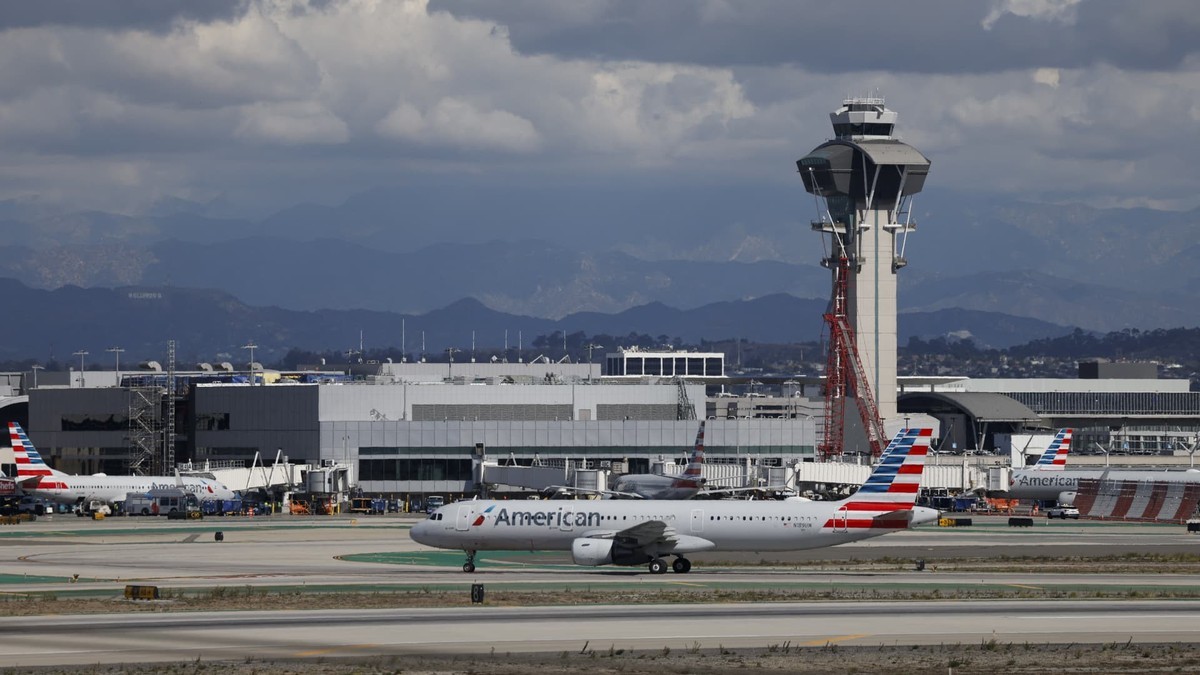
According to the advisory language quoted by CBS affiliates, the national stop began at 2:54 p.m. Central — 3:54 p.m. on the East Coast. The end time is where the reporting splits. News 9's first version of that story, citing the aviation-monitoring account OSINTdefender, put the release at 2200 UTC, which is 4 p.m. Central and 5 p.m. Eastern, and the audio from the Minneapolis radar room matches it. The same affiliate's updated story says 10 p.m. local time, and the FAA has not published a version of the advisory that settles it. What the advisory does say, in the wording the stations quote, is that departing aircraft remain on the ground "until further notice" — which makes any end time a ceiling rather than a promise. Audio captured by the ATC app and published by The Mirror appears to catch the instruction arriving in Minneapolis. "All we've gotten so far," the controller says, "is just a quick strip printed out saying all aircraft at all airports are ground stopped until 22Z for a nationwide outage." Flightradar24 told its followers that no flight may depart for a U.S. airport, while aircraft already airborne would be allowed to land.
A Rolling Frequency Outage
The most specific account of the cause came from two FAA employees who spoke to the Washington Examiner moments after the order went out. They described a "rolling frequency outage" affecting the facilities that monitor aircraft in the air, and the Examiner says it viewed documentation confirming the halt on all air traffic. The Air Current, the aviation trade publication run by Jon Ostrower, went further: the FAA confirmed to it that the ground stop followed "several impacts to ATC Frequencies and/or Radar capabilities," and the command center said it had no further information on the "timing or cause of this outage." Read those two accounts together and you get the shape of the problem without the mechanism: radio frequencies, and possibly radar, failing at more than one facility, in sequence, across a system that assumes they do not fail at all. Neither account identifies a facility, a vendor, or a trigger.
Chicago Went First
The national order did not arrive in an empty sky. At 2:10 p.m. Central the Command Center stopped departures bound for O'Hare, citing an equipment outage and adding two words to the advisory that matter more than the rest: "COMMS ISSUES." Seven minutes later it did the same for Midway. Both stops were scheduled to release at 3:30 p.m. Central, and a separate advisory warned of arrival delays and airborne holding into O'Hare of up to 30 minutes "due to equipment issues," running to midnight UTC. At 2:30 p.m. Central the Command Center activated its all-airports diversion recovery tool, the mechanism used when aircraft are being sent to airports they were never scheduled to visit. Whether the Chicago failures caused the national order or were the first symptoms of it, the FAA has not said. The sequence is on the public record either way, and so is the arithmetic: 44 minutes elapsed between that first Chicago advisory and the national order, and one of the country's busiest connecting hubs spent all of it degrading.
The Weather Was Already There
Friday was never going to be a clean day for the Northeast. A coastal storm sat off Long Island, and at 8:28 a.m. Eastern the FAA put LaGuardia under a ground stop for wind, lifting it at 9:45 and replacing it with a ground delay program that averaged about 90 minutes. By evening the National Airspace System status board showed LaGuardia arrivals still averaging 45 minutes late on wind, San Francisco arrivals averaging 138 minutes late on wind, and a Boston ground delay running toward 3 a.m. That matters for one reason: it removes the easiest explanation. The delay board could have absorbed a bad-weather Friday. It could not absorb a national equipment failure stacked on top of one, and the distinction between a weather day and a systems day is the difference between a long line at security and a country that cannot launch an aeroplane.
What Nobody Has Explained Yet
As of Friday evening, five things were unknown and the FAA had declined to clarify any of them. The cause, beyond "frequency" and possibly radar. The number of facilities affected. Whether the outage is contained or still moving. How many flights and passengers have been held. And whether the 22:00 UTC release time will hold. On that last point the agency's own status board was not reassuring: it showed departure delays attributed to "FAA equipment" at Newark, Teterboro, O'Hare, Houston Intercontinental, Las Vegas, Orlando, Phoenix and San Diego, most of them described as increasing. An increasing equipment delay at eight airports at once is not what recovery looks like.
The Comparison That Matters
ABC News reported that this is only the second time since the September 11, 2001 attacks that a stop of this scope has been ordered in the United States. The more useful comparisons are smaller and more recent. In March, an overheated circuit board at the Potomac terminal radar facility filled the building with a chemical smell, four Washington-area airports were grounded, and Transportation Secretary Sean Duffy announced the fix on social media once the board had been replaced. On September 21, an Amtrak construction crew cut a fibre line in New Jersey, the resulting telecom outage forced ground stops across the Northeast, and Duffy announced the repair by around 6 p.m. On July 28, an IT problem at American Airlines produced a ground stop covering every airport American serves, and the airline's flights were moving again the same evening. Friday's order is different in kind: not one airline, not one region, not one cut cable — every departure, everywhere, at once.
What It Does to Passengers Tonight
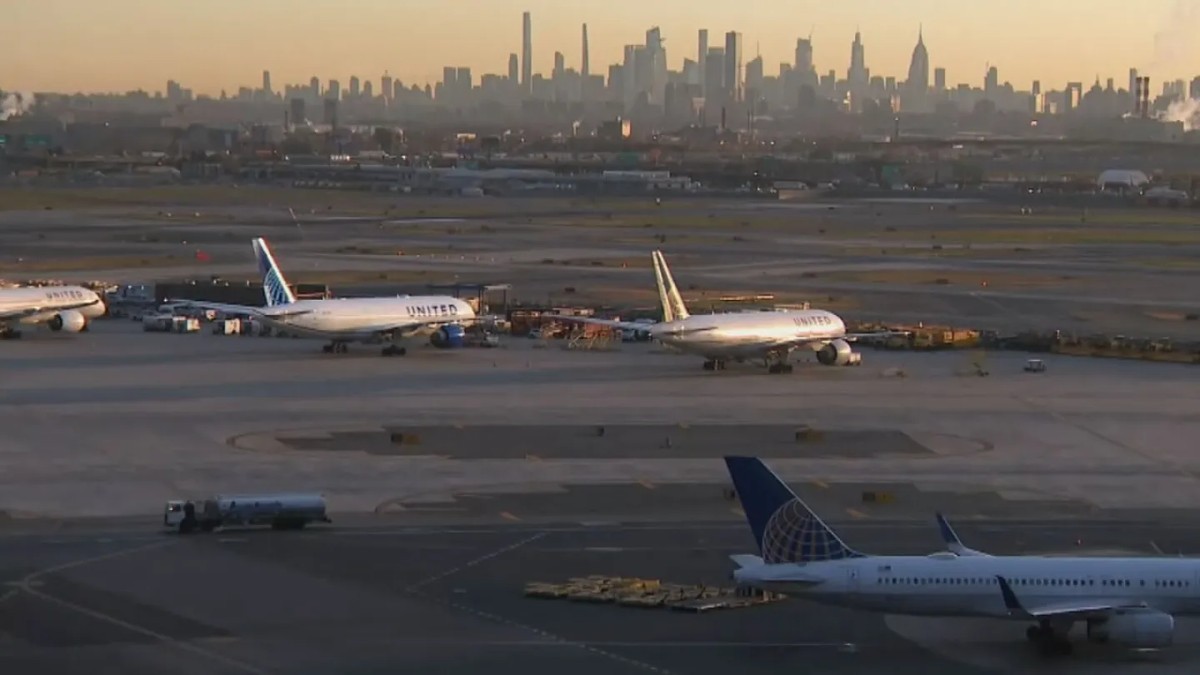
A ground stop is not a cancellation, and that distinction will decide a lot of people's evenings. The aircraft they are booked on is sitting somewhere it was not supposed to be, and the crew operating it is burning duty time while it waits. A two-hour national halt does not cost two hours of flying; it costs the rest of the day in out-of-position aircraft and crews who run out of legal hours before they run out of passengers. Under U.S. Department of Transportation rules, a cancelled flight means a refund if the passenger chooses not to travel, and that right survives whatever the airline's rebooking offer looks like. What passengers should do in the next few hours is unglamorous: check the airline's app rather than the airport board, and do not drive to a terminal on a rumour.
Why One Radio Problem Stops a Country
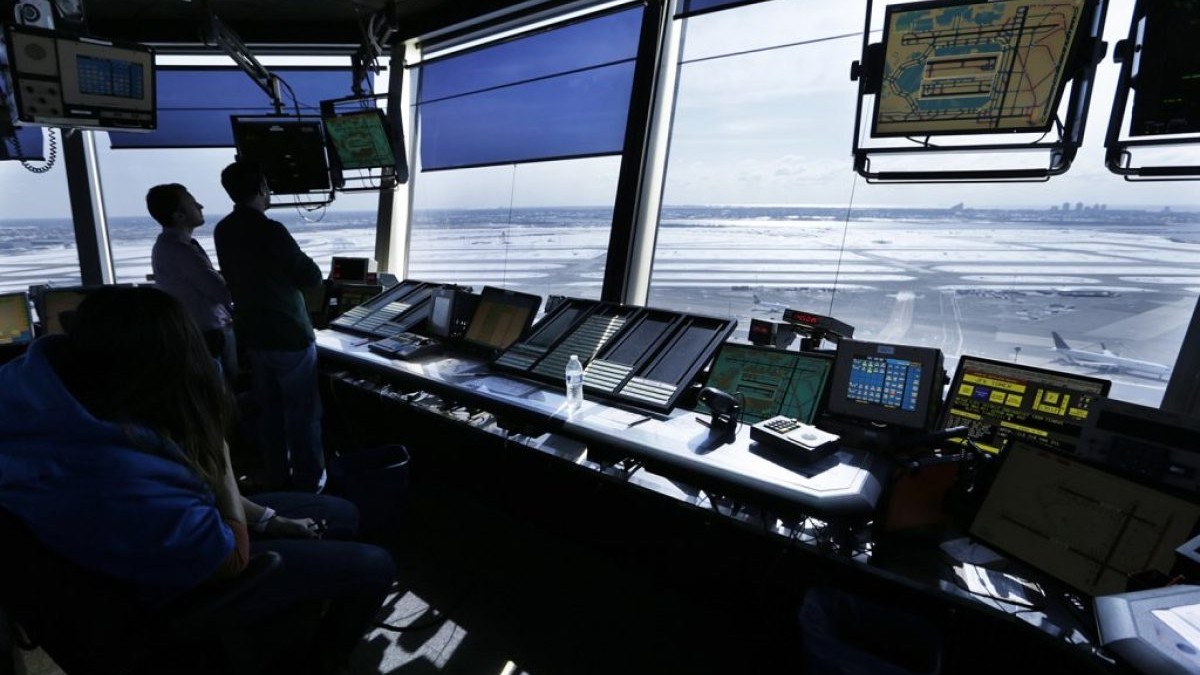
Air traffic control is not a computer that routes aeroplanes. It is a person with a radio and a radar scope, legally responsible for the separation of every aircraft in a block of sky. Take away the radio and the controller cannot issue an instruction. Take away the radar and the controller cannot see what to separate. Either failure converts a sector from controlled airspace into something that has to be protected the only other way available, which is to stop feeding it traffic. That is why a frequency outage is not like a website going down. There is no degraded mode that lets the system limp along at half speed, and there is no substitute for a clearance a pilot can hear. The FAA's own operations plan for Wednesday listed a Miami Center route as closed "due to TSTMS and frequency outage" — the same phrase, in the same week, at a different facility.
What Happens Next
The next three hours will answer most of it. Watch whether the 22:00 UTC release is honoured, extended, or quietly replaced by a ground delay program at a dozen hubs — the pattern that normally follows a national stop, and the one that produces tomorrow's cancellations. Watch whether the FAA names a facility, because a rolling outage that gets a name within a day is a hardware problem and one that does not is something else. Watch the Transportation Department. Sean Duffy's account is where the September fibre cut was explained to the public, and no such statement from that office had appeared on Friday. And watch the numbers when they come, because the aviation system's real cost is never the hours on the board. It is the aircraft that never leave the gate the next morning.
By Jessica Ali, Staff Writer
This article was produced with AI-assisted research and editorial support. Sources: Federal Aviation Administration Air Traffic Control System Command Center advisories (13 November 2026, including ADVZY 106, 107, 108 and 109) and National Airspace System status; CNBC; ABC News; The Washington Examiner; The Air Current; News 9 (CBS, Oklahoma City); NewsOn6; The Mirror; Flightradar24; USA Today; NBC News; Reuters. Cover: Global 1 News editorial image. Inline photographs: Caroline Brehman/AFP via Getty Images, via CNBC (file photograph, 23 October 2026); Washington Examiner file photograph; CBS News via News 9.
What's Your Reaction?
 Like
0
 Dislike
0
 Love
0
 Funny
0
 Wow
0
 Sad
0
 Angry
0

Editor-in-Chief at Global1.News. Atlanta-based journalist who cuts through the BS and tells it like it is. Lead anchor, host, and the voice you hear when the spin stops and the truth starts.














Comments (0)