
The Pentagon Failed Its Ninth Audit. Its Own Release Doesn't Say So
The Pentagon has failed its ninth consecutive financial audit. Its own release never uses the word, and counts clean opinions it has not received yet.
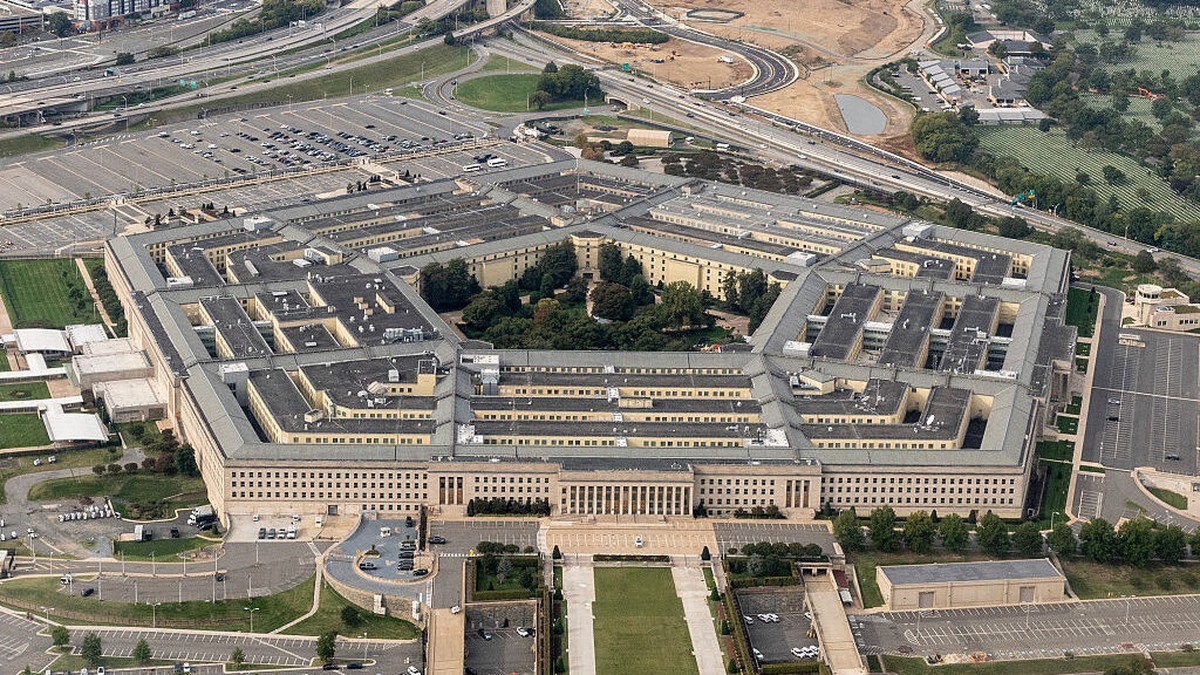
The Pentagon failed its ninth straight financial audit, and the department's own press release never uses the word. The inspector general's report landed Monday. The release from the Department of War talks about a breakthrough. Both things are true at once, and only one of them is the audit result.
The Pentagon Failed Its Ninth Audit. Its Own Release Doesn't Say So.
WASHINGTON - The Defense Department failed a financial audit for the ninth consecutive year, according to an inspector general report released Monday, November 16, 2026. The department has never passed a full, clean audit since the first one in 2018. Nine tries. Nine failures.
Nine Years, No Clean Opinion
The Pentagon as a whole was first audited in 2018 and has consistently failed to pass annual audits, Reuters reported. The Marine Corps is the only service to have passed an audit since that first mandate, according to Military Times. The Government Accountability Office says the department has never passed a full, clean audit. Congress gave the Pentagon ten years to pass one, a clock that runs out in the fiscal year starting in October 2027. That is the record. It does not move because a press release is cheerful. The department's own deputy chief financial officer, Thomas Harker, told a House Oversight subcommittee in May: "The Department's financial reporting has lagged behind every other major Federal agency."
What the Release Does Not Say
The Department of War's release is headlined "New DoW Audit Progress Marks Breakthrough Toward a Department-Wide Clean Opinion." It describes a "new centralized approach" and the use of "Super Intelligence (SI) to end wasteful processes and solve financial vulnerabilities." Nowhere in it does the word "failed" appear. The release instead says clean audit opinions "will cover" more than 56 percent of department assets and over 90 percent of its liabilities, and it says those figures include opinions expected in January and February of fiscal 2027. Opinions not yet issued. That is the department's own framing, and it is accurate as far as it goes. It just isn't the audit result.
The Number That Holds: 56 Percent
Here is what the department will defend, and it has a real number behind it. CFO Jules Hurst told Reuters that an independent auditor found financial statements for 14 of the Pentagon's 25 standalone reporting entities passed in fiscal 2026, which ended in September. That is up from 11 the prior year. Those entities account for 56 percent of the department's assets and 86 percent of its liabilities. Hurst's quote to Reuters: "For the first time ever, a majority of assets from the department are on clean opinions." A majority of assets. Not the department. The scale of what is at stake in the paperwork is not in dispute: Breaking Defense reported the audit examined $4.9 trillion in assets and $5.2 trillion in liabilities.
Two Counts of the Same Result
The counts don't match, and both are on the record. Reuters reports 14 of 25 entities passed, up from 11. Breaking Defense reports the department "received 12 clean opinions, adding the Medicare-Eligible Retiree Health Care Fund to the 11 that were cleared last year." Same audit, two tallies. The difference is in how the entities get counted, and neither outlet's number changes the bottom line: the department as a whole did not pass. The department's own release does not publish a count at all. It says auditors verified it is "building on progress to achieve five new or improved audit opinions." Building toward. That is the verb.
The One Fund That Broke Through
One fund did clear. The Medicare-Eligible Retiree Health Care Fund received an unmodified audit opinion this month, and it was among the entities passing for the first time in fiscal 2026, per Reuters. The department's release calls it a first and lists four more it expects to improve by February 2027: the Navy Working Capital Fund, the Defense Information Systems Agency General Fund, the Defense Intelligence Agency with a classified financial report, and the National-Geospatial-Intelligence Agency, also classified. Hurst, in the release: "This is a really big deal for us. For the first time, by February 2027, we will have clean opinions on a majority of our assets and over 90% of our liabilities." By February. Not now.
Three Hundred Auditors and a Warehouse
The department is throwing people at this. Secretary of War Pete Hegseth established the Joint Task Force Audit, the Force Agility and Streamlining Team, and a high-level oversight committee to align the services' audit efforts. Under JTF Audit, more than 300 Defense Contract Audit Agency auditors are on the ground validating inventories in warehouses across the globe, the release says. Hurst, in that release, on the F-35: "This surge in DCAA personnel is removing large gaps to remediate documentation issues, such as long-standing F-35 audit concerns, where there was a disconnect between what was in the field and on the books." What was in the field and what was on the books. That is the gap.
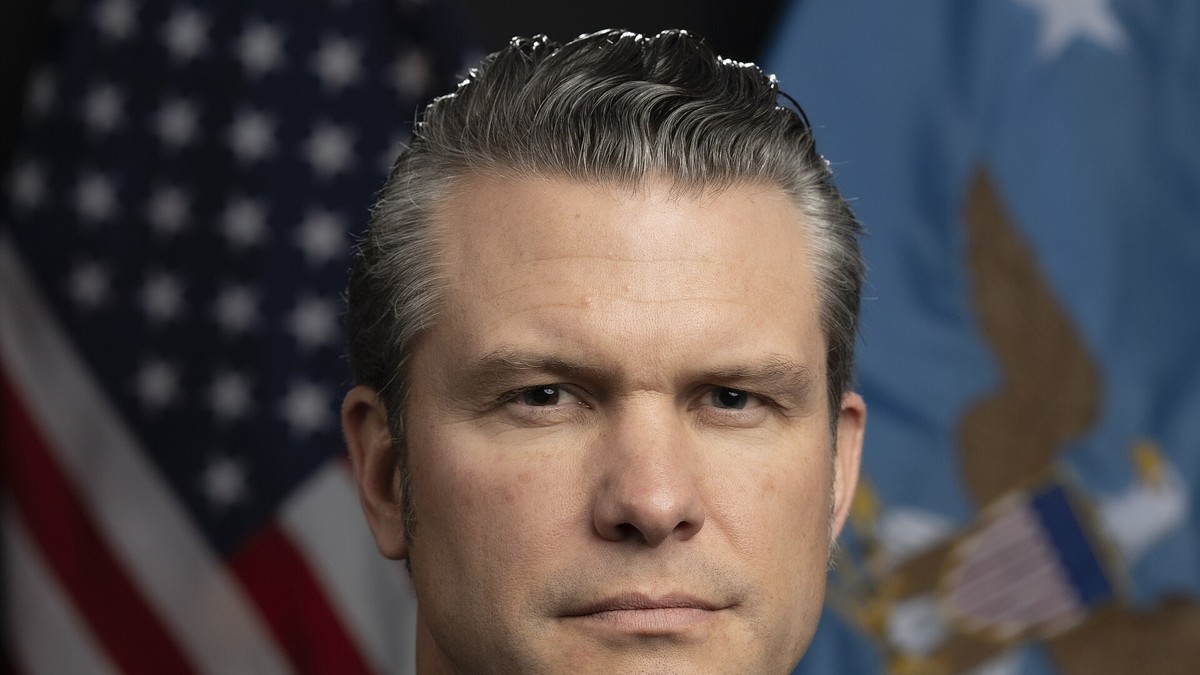 He also put a number on the tech bet: $200 million, funded by the One Big Beautiful Bill Act, on what the release calls agentic Super Intelligence, plus the War Data Platform and Advana for financial management.
149 Systems, and Code Older Than the Auditors
The machinery underneath is the problem. The Pentagon has struggled with some 149 financial management systems, many inadequate and outdated, Reuters reported, including technology built on 50-year-old computer code. Hurst told the Senate Armed Services Committee, in advance policy questions for his nomination: "The Department is one of the largest and most complex financial enterprises in the world, and it continues to rely on outdated, fragmented, legacy systems that create real barriers to timely, reliable, and auditable financial information." To get around those systems, officials drew from 61 core systems in the cloud-based War Data Platform to obtain statistically significant data samples for the audit, per Reuters. The department is also using artificial intelligence tools from Palantir and xAI alongside in-house applications to automate reconciliations and documentation.
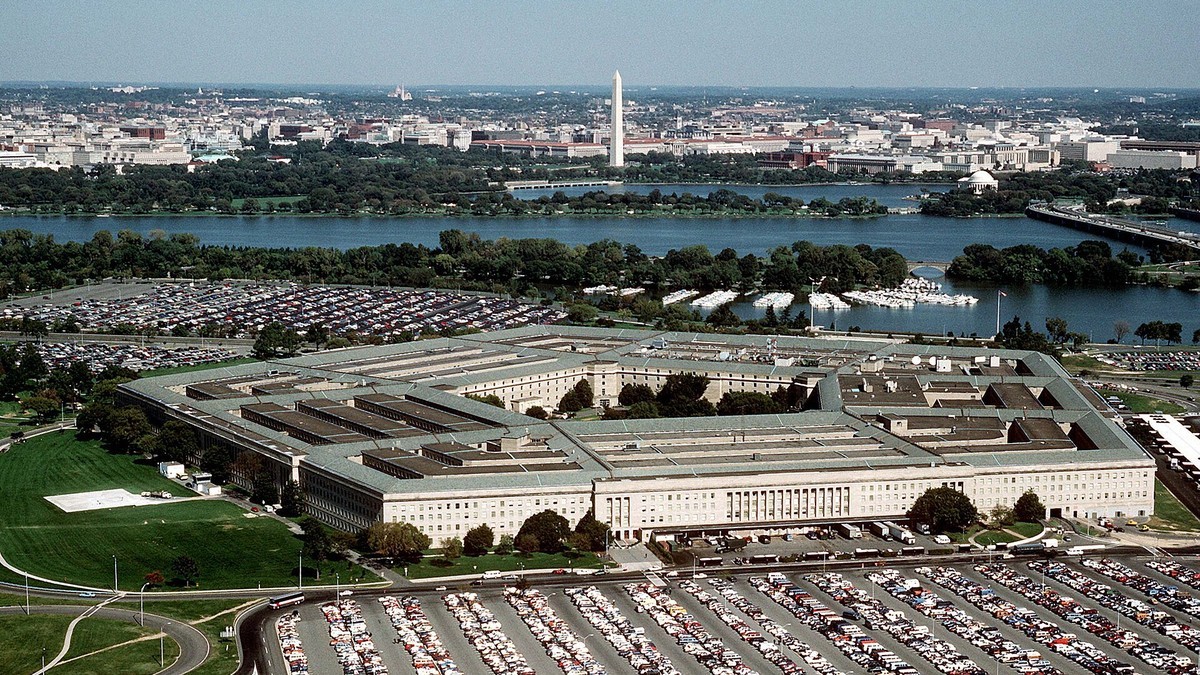
A $1.5 Trillion Ask, and a Fraud Warning
The money is the reason this matters. The administration is seeking a record $1.5 trillion in national defense spending from Congress. At a House Oversight subcommittee hearing on May 13, 2026, Rep. Kweisi Mfume, D-Md., said of the audit standard: "That's a standard that every other large [government] agency is able to meet, and meet regularly." He said he could not vote for the proposed increase from around $901 billion for fiscal 2026 to $1.5 trillion for fiscal 2027. Brett Mansfield, deputy inspector general for audit in the DoD Office of the Inspector General, testified: "Any time there is an influx of cash or funds into any organization, the likelihood of increased risk of fraud, waste, and abuse coincides with that. I'm not sure if it's a one-for-one [but] there is definitely a positive relationship between an influx of funds and the increased risks." GAO managing director Asif Khan's written testimony put the history plainly: "In 1995, GAO designated DoD financial management as a high-risk area because of pervasive weaknesses in its financial management systems, business processes, internal controls, corrective action plans, acquisition management and financial monitoring and reporting. In 2025, we expanded DoD's financial management high-risk area to include fraud risk management." Thirty-one years on the high-risk list, and the list got longer.
The 2028 Clock
Congress passed a measure in the 2024 National Defense Authorization Act requiring the department to produce a clean audit by December 31, 2028, Military Times reported. Clean means a clear enough accounting of assets, budgeted and spent, with evidence and documentation, so the Government Accountability Office can assess the entire federal government's finances. The plan to get there: beginning this year, the Pentagon plans to consolidate 25 separate audit opinions into eight, ahead of seeking a full department-wide opinion in fiscal 2028, per Reuters. The department has also hired an independent public accounting firm rather than relying solely on its inspector general. Hurst to reporters last week, per Breaking Defense: "While we have made progress ... the most important development is our change in audit strategy. That shift is what will put us on the path to achieving a clean, department-wide opinion in 2028." The next milestone is fiscal 2027, where the department is targeting clean opinions for the Defense-wide Working Capital Fund, U.S. Transportation Command, the Air Force, Army and Navy working capital funds, and several smaller defense agencies. Then comes the Defense-wide General Fund in fiscal 2028, "a roll-up of the remaining Department components." Subcommittee chairman Rep. Pete Sessions, R-Texas, offered the fair summary in May: "Progress was made but not enough to ensure full financial transparency and accountability."
What January Will Tell Us
Watch the calendar, not the adjectives. The department is counting four more entities by February 2027, and it says the 56 percent asset figure and the 90-plus percent liability figure depend on opinions it has not received yet. The release itself says so: "These figures include audit opinions expected in January and February of FY 2027." So January and February are the test. If those opinions land, the department's story gets stronger. If they slip, the breakthrough language was premature. Hurst's own Senate answer is the honest baseline: "I recognize the Department still faces a significant uphill battle to achieve a clean opinion." Nine audits, no clean opinion, and a deadline that is now close enough to read off a calendar.
By Jessica Ali, Staff Writer
This article was produced with AI-assisted research and editorial support. Photographs: Anna Moneymaker/Getty Images via Breaking Defense; U.S. Department of Defense; Master Sgt. Ken Hammond/U.S. Air Force. Sources: Reuters, the U.S. Department of War, Breaking Defense, Military Times, the House Committee on Oversight and Government Reform, and the Senate Armed Services Committee.
What's Your Reaction?
 Like
0
 Dislike
0
 Love
0
 Funny
0
 Wow
0
 Sad
0
 Angry
0

Editor-in-Chief at Global1.News. Atlanta-based journalist who cuts through the BS and tells it like it is. Lead anchor, host, and the voice you hear when the spin stops and the truth starts.















Comments (0)