
Thailand Leads ASEAN Dialogue on Trade and Security at Manila Summit
In the bustling capital of the Philippines, the ASEAN Summit opened its doors on 16 November 2026, drawing leaders from across Southeast Asia to discuss the twin pillars of regional prosperity: trade and security.
In the bustling capital of the Philippines, the ASEAN Summit opened its doors on 16 November 2026, drawing leaders from across Southeast Asia to discuss the twin pillars of regional prosperity: trade and security. Among the delegates, Thailand's delegation stood out for its proactive stance on both fronts, seeking to balance the aspirations of the bloc with the realities of a shifting global order. The Thai PBS World video report captured the atmosphere of the opening sessions, noting that the summit’s agenda was dominated by discussions on regional trade frameworks and collective security measures. As the summit unfolds, Thailand’s engagement reflects a broader cultural commitment to harmony, a principle deeply rooted in Thai Buddhist values and the nation’s long tradition of mediation within ASEAN.
Setting the Stage: ASEAN’s Priorities in Manila
The Manila venue was chosen for its symbolic significance, representing the Philippines’ role as a bridge between the maritime and mainland Southeast Asian economies. The Thai PBS World footage highlighted that regional trade and security were identified as the biggest topics on the summit’s docket. This focus mirrors the ASEAN community’s ongoing effort to reinforce economic integration while addressing emerging security challenges, from maritime disputes to cyber threats.
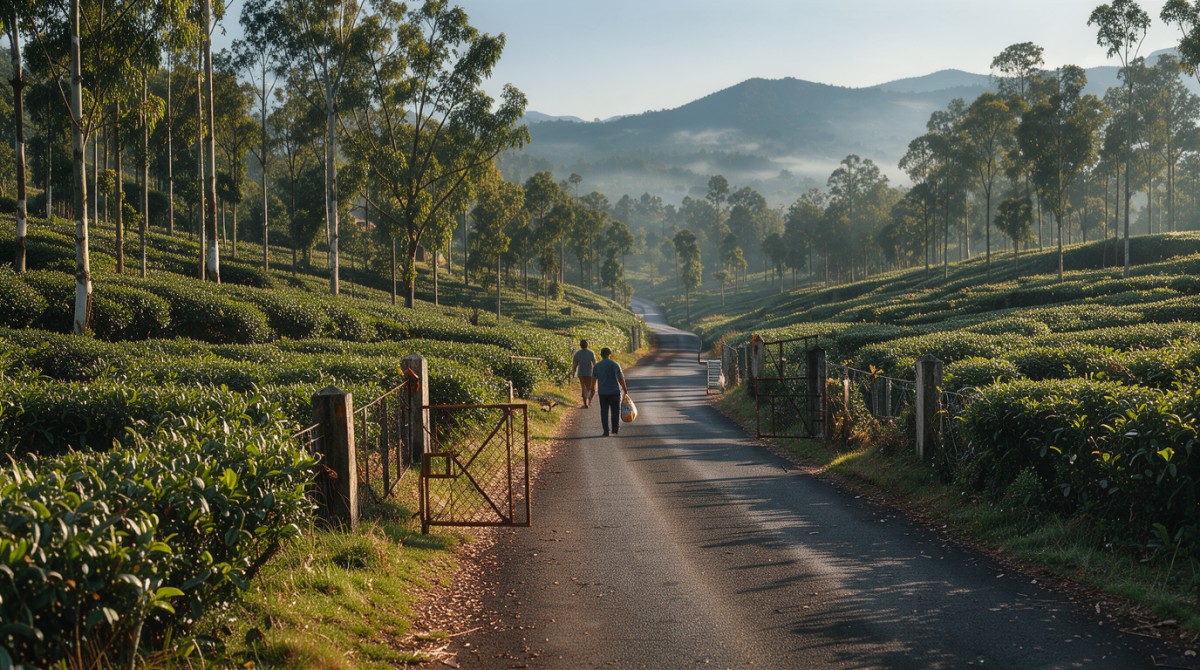
Trade discussions centered on strengthening the ASEAN Economic Community, a goal that resonates with Thailand’s own development strategy of fostering open markets and inclusive growth. The Thai delegation, known for its diplomatic finesse, prepared to advocate for policies that protect small and medium enterprises, which form the backbone of the Thai economy. In doing so, Thailand aims to ensure that the benefits of regional integration reach the villages and towns that embody the country’s cultural fabric.
Security talks, meanwhile, reflected growing concerns over the stability of the South China Sea and the need for coordinated responses to non-traditional threats. Thai officials, drawing on the nation’s experience in peacekeeping and conflict resolution, emphasized the importance of confidence-building measures and multilateral dialogue. This approach aligns with Buddhist principles of non-violence and the Thai tradition of seeking consensus before action.
Thailand’s Trade Agenda: Engaging the United States
One of the most notable developments reported in the Thai PBS World video was Thailand’s plan to hold talks with President Trump regarding trade tariffs. While the exact details of the proposed discussions were not disclosed, the mention of a direct dialogue with the United States underscores Thailand’s strategic intent to navigate the complexities of global trade politics.
Thailand’s outreach to the United States can be seen as an effort to secure favorable terms for its agricultural exports, which are vital to the livelihoods of many Thai farmers. By engaging with President Trump, Thailand hopes to mitigate any adverse impacts of tariff measures that could affect rice, rubber, and seafood shipments—products that not only sustain the economy but also carry cultural significance in Thai daily life and festivals.
The Thai delegation’s willingness to discuss tariffs also reflects a broader ASEAN perspective: the bloc seeks to balance relations with major powers while preserving its own economic sovereignty. Thailand’s diplomatic tone, as captured in the video, suggests a desire to find common ground that respects both Thai interests and the broader objectives of the ASEAN community.
Security Cooperation: From Maritime Safety to Cyber Resilience
Security was a recurring theme in the summit’s opening sessions, and Thailand’s contribution was highlighted as both pragmatic and forward-looking. The Thai PBS World report noted that regional security discussions were among the biggest topics, indicating a shared recognition of the challenges facing Southeast Asia.
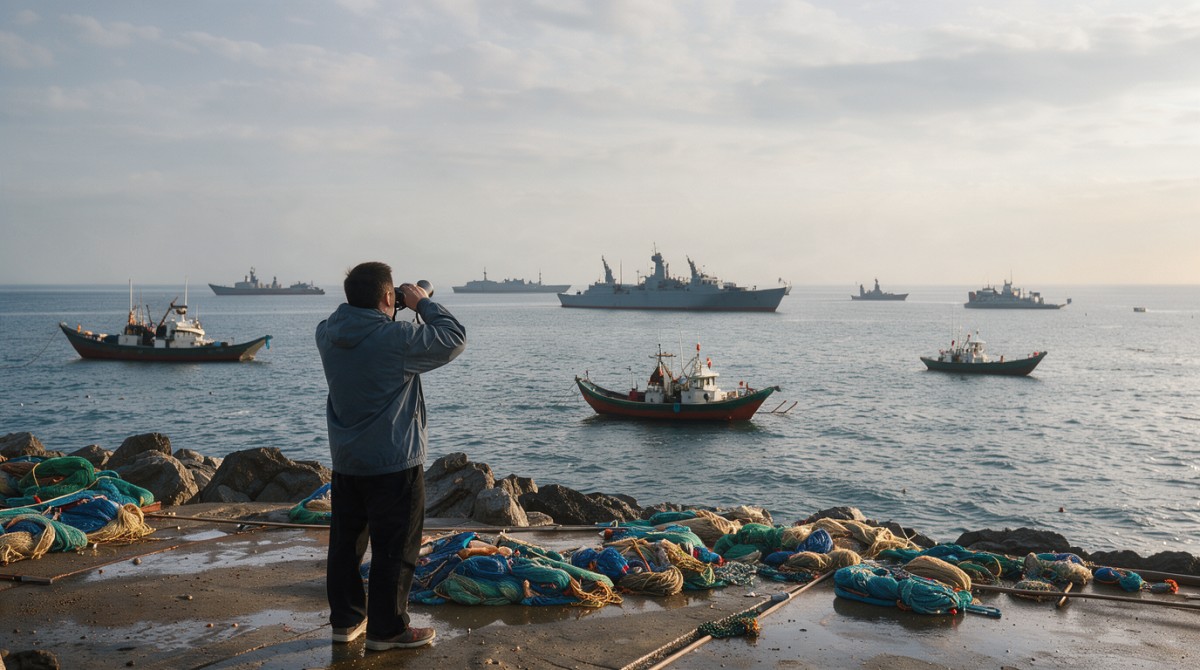
Thailand’s strategic outlook includes strengthening maritime safety in the contested waters of the South China Sea. By advocating for transparent rules of engagement and joint patrols, Thailand aims to protect the sea lanes that are essential for its trade, as well as for the fishing communities that rely on these waters for sustenance. This stance is consistent with Thailand’s longstanding policy of promoting peaceful resolution of disputes, a principle echoed in Buddhist teachings on compassion and non-harm.
In addition to traditional security concerns, the summit addressed cyber resilience. Thailand, having invested in digital infrastructure and cybersecurity capacity, offered to share best practices with fellow ASEAN members. The emphasis on building a collective defense against cyber threats aligns with the region’s broader goal of safeguarding economic growth and societal stability in an increasingly digital world.
Economic Integration: Thailand’s Vision for a Balanced ASEAN
Beyond the immediate trade talks with the United States, Thailand’s broader vision for ASEAN economic integration was evident in the summit’s discourse. The Thai PBS World footage captured the spirit of collaboration, with delegates emphasizing the need for policies that support both large economies and smaller, developing members.
Thailand advocated for a more balanced approach to tariff reductions, seeking to protect vulnerable sectors while encouraging competition and innovation. This nuanced stance reflects Thailand’s own economic structure, where agriculture, manufacturing, and tourism each play vital roles. By promoting policies that consider the diverse needs of ASEAN economies, Thailand hopes to foster a resilient regional market that can weather external shocks.
The Thai delegation also highlighted the importance of infrastructure connectivity, such as road, rail, and digital links, which are essential for moving goods and people across borders. Improved connectivity not only boosts trade but also deepens cultural exchange, allowing Thai traditions—like the gentle rhythm of a Buddhist chanting session—to be shared with neighboring peoples, reinforcing a sense of regional kinship.
Diplomacy and Cultural Values: The Thai Approach
Throughout the summit, Thailand’s diplomatic style was marked by a calm, measured tone, reminiscent of the nation’s cultural emphasis on “mai pen rai” – a spirit of letting go of conflict and focusing on harmony. The Thai PBS World report subtly conveyed this atmosphere, showing Thai officials listening attentively and responding with thoughtful remarks.
This approach is rooted in Thailand’s Buddhist heritage, which teaches mindfulness, compassion, and the interdependence of all beings. By applying these values to international negotiations, Thailand seeks to create an environment where disagreements can be resolved through dialogue rather than confrontation. Such a stance not only benefits the immediate outcomes of the summit but also contributes to the long-term stability of the region.
Moreover, Thailand’s engagement with the United States on tariff matters was conducted with a tone of partnership rather than antagonism. This reflects a broader Thai diplomatic principle of seeking win-win solutions, a concept that resonates with the Buddhist notion of “sangha” – a community working together for mutual benefit.
Looking Ahead: Implications for Thailand and ASEAN
As the ASEAN Summit progresses, the outcomes of the trade and security discussions will shape the trajectory of the region for years to come. Thailand’s active participation, as highlighted in the Thai PBS World video, positions the country as a key facilitator of consensus within ASEAN.
Should the talks with President Trump lead to a constructive tariff arrangement, Thai exporters could see greater market access, bolstering rural economies and preserving the cultural practices tied to agricultural production. Conversely, any unresolved tensions could prompt Thailand to further diversify its trade partners, reinforcing its long-standing strategy of balanced foreign relations.
On the security front, Thailand’s advocacy for cooperative maritime and cyber measures may lead to stronger regional mechanisms that protect both economic interests and the safety of coastal communities. By embedding its cultural values of compassion and harmony into these initiatives, Thailand helps ensure that ASEAN’s collective security framework remains rooted in the shared humanity of its peoples.
In sum, the Manila summit serves as a vivid illustration of how Thailand blends its rich cultural heritage with pragmatic diplomacy to navigate the challenges of a complex world. The Thai PBS World footage captured not just the formal proceedings, but also the underlying spirit of cooperation that drives Thailand’s engagement—an approach that, if sustained, promises a more integrated, peaceful, and prosperous Southeast Asia.
By Ann Srisawat, Staff Writer
This article was produced with AI-assisted research and editorial support. Reporting is based on the source material cited below. Sources: Thai PBS World video report (16 November 2026); Thai PBS World; Global1.News
What's Your Reaction?
 Like
0
 Dislike
0
 Love
0
 Funny
0
 Wow
0
 Sad
0
 Angry
0

Southeast Asia Correspondent at Global1.News. Based in Bangkok, covering Thai and Southeast Asian politics, economy, technology, and culture. Deep regional perspective on one of the world's most dynamic regions.












Comments (0)