
Political will, partnerships needed to achieve SDGs
President Ferdinand Marcos Jr. used the 16th ASEAN‑United Nations Summit in Manila to sound a stark warning: the Philippines, like many of its neighbours, is falling behind on the Sustainable Development Goals (SDGs).
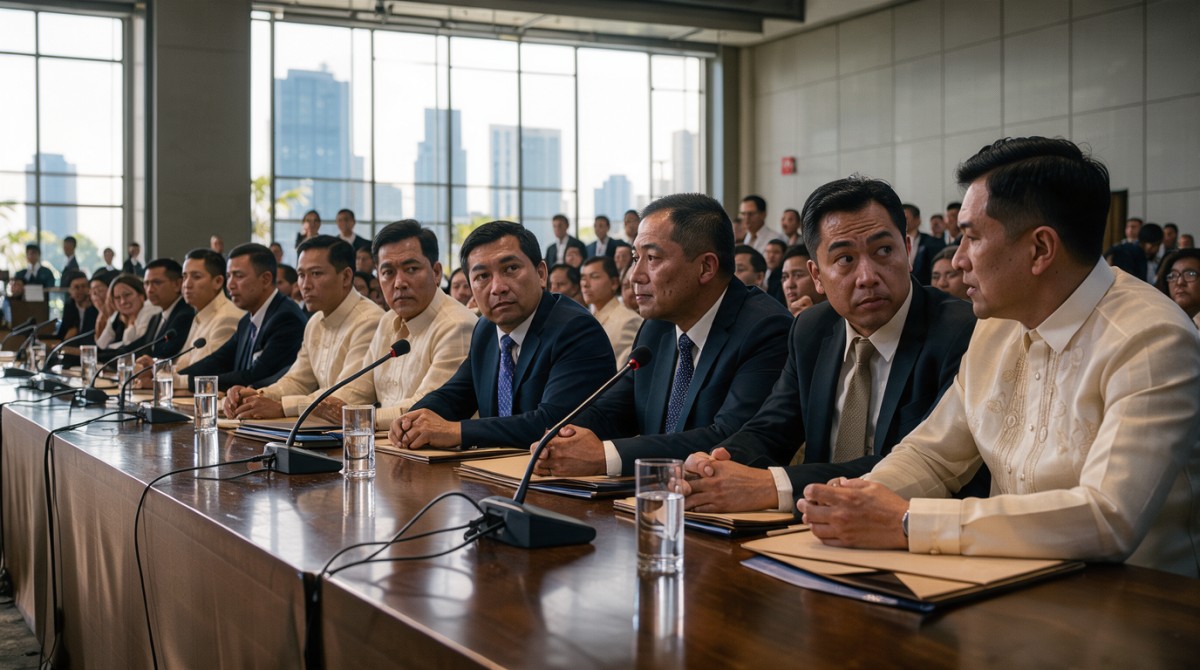
President Ferdinand Marcos Jr. used the 16th ASEAN‑United Nations Summit in Manila to sound a stark warning: the Philippines, like many of its neighbours, is falling behind on the Sustainable Development Goals (SDGs). With only about a third of the measurable targets on track, the leader called for fresh political will and deeper partnerships with the private sector to keep the 2030 agenda from slipping further out of reach. His remarks, delivered in front of regional heads of state, underscored how the clock is ticking for the 17‑goal framework that the United Nations adopted in 2015.
Why the SDG Gap Matters to Filipino Households
The SDGs are more than lofty global promises; they translate into everyday realities for barangay captains, sari‑sari store owners, and overseas Filipino workers sending remittances home. When the report says less than half of the goals are progressing as planned, it signals that many Filipino families may still be grappling with poverty, hunger, or limited access to quality health care. The President’s own assessment that only 36 percent of accessible SDG targets are on track highlights a shortfall that could affect everything from school enrollment in remote provinces to the reliability of water and sanitation services in urban slums.
For many Filipinos, the SDGs are a benchmark for progress in areas that matter most: affordable energy, decent work, and resilient infrastructure. The gap in achievement means that the promise of “inclusive and equitable quality education” or “sustainable, modern energy for all” remains out of reach for many, especially those in the most vulnerable communities. The President’s call for renewed political will therefore resonates not just as a diplomatic appeal but as a plea for policies that can lift ordinary households out of hardship.
The President’s Call for Political Will
In his summit remarks, President Marcos stressed that the 2030 deadline is less than four years away, yet the current pace is insufficient. He urged that “renewed political will” is essential to bridge the gap. This appeal is directed at lawmakers in Congress, senior officials in the Department of Health, and the Department of Education, urging them to prioritize SDG‑aligned programs in the national budget and legislative agenda.
The President’s emphasis on political will reflects a broader understanding that achieving the goals is not merely a technical exercise but a matter of leadership commitment. By framing the SDGs as a collective responsibility that requires “evidence‑based” cooperation, Marcos signaled that policies must be grounded in data and responsive to the lived experiences of Filipinos, from the rice fields of Central Luzon to the fishing villages of Mindanao.
Partnering With the Private Sector
Marcos highlighted the need for stronger partnerships with the private sector, recognizing that businesses can bring innovation, financing, and efficiency to the table. In the Philippines, corporations ranging from agribusiness firms to tech startups have the capacity to support sustainable agriculture, renewable energy projects, and digital transformation in education.
The President’s call aligns with the ASEAN‑UN Plan of Action for 2026‑2030, which underscores cooperation across sectors. By inviting private‑sector participation, the administration hopes to tap into the expertise of companies that already operate in the supply chains of food, energy, and infrastructure, thereby accelerating progress on targets such as “sustainable consumption and production patterns” and “inclusive, sustainable industrialization.”
Health and Education: Core Pillars for Filipino Futures
Two of the most visible SDG pillars—health and education—remain central to the President’s agenda. The goal to “ensure healthy lives and promote well‑being for all at all ages” is especially urgent as the Philippines continues to grapple with public‑health challenges and uneven access to quality care. Likewise, “inclusive and equitable quality education” is a cornerstone for breaking the cycle of poverty, particularly in remote barangays where school facilities are often inadequate.
By linking these goals to the broader SDG framework, Marcos reminded stakeholders that investments in health clinics, vaccination drives, and school infrastructure are not isolated projects but integral steps toward meeting the 2030 agenda. The President’s appeal for evidence‑based cooperation suggests that ministries must use health and education data to target interventions where they are most needed, ensuring that limited resources yield maximum impact.
Climate Action and Disaster Resilience in a Vulnerable Archipelago
The Philippines sits on the Pacific Ring of Fire, making climate change and disaster management critical components of the SDG agenda. The President’s remarks at the summit echoed the ASEAN‑UN Plan’s focus on “climate action” and “disaster management,” underscoring the need for resilient infrastructure and sustainable urban planning.
Efforts to “make cities and human settlements inclusive, safe, resilient and sustainable” are especially relevant for densely populated areas like Metro Manila, where flooding and landslides regularly threaten lives and livelihoods. By integrating climate‑smart policies into development plans, the government can protect vulnerable communities while also advancing goals related to clean energy and sustainable consumption.
Gender Equality and the Empowerment of Women and Girls
Among the 17 SDGs, gender equality stands out as a catalyst for broader social and economic progress. President Marcos reiterated the importance of “empowering all women and girls,” a call that resonates with grassroots movements across the country. From barangay health workers to OFWs who send remittances, women play pivotal roles in sustaining families and communities.
Strengthening women’s participation in decision‑making, ensuring equal access to education, and protecting their rights are essential steps toward achieving the SDG target of gender equality. The President’s emphasis on this goal signals a commitment to policies that address gender‑based disparities, aligning with the broader vision of “peaceful and inclusive societies for sustainable development.”
Building Effective Institutions and Global Partnerships
Finally, the President underscored the need for “effective, accountable and inclusive institutions at all levels.” This call aligns with the SDG that seeks to strengthen the means of implementation and revitalize the Global Partnership for Sustainable Development. In the Philippine context, it translates to bolstering the capacities of bodies such as the Commission on Elections, the Office of the Ombudsman, and the Philippine National Police to ensure transparency and rule of law.
By fostering stronger partnerships—both domestically among government agencies and internationally through ASEAN and the United Nations—the Philippines can better mobilize resources, share best practices, and hold each other accountable. The President’s message at the summit serves as a reminder that achieving the 2030 agenda will require a collective effort rooted in trust, data, and a shared commitment to the well‑being of every Filipino.
This article was produced with AI-assisted research and editorial support. Reporting is based on the source material cited below. Sources: Philstar.com; Global1.News (17 November 2026).
By Bella Reyes, Staff Writer
What's Your Reaction?
 Like
0
 Dislike
0
 Love
0
 Funny
0
 Wow
0
 Sad
0
 Angry
0

Philippines/Southeast Asia Correspondent at Global1.News. Manila-based journalist covering Philippine politics, environment, maritime security, and social issues. Passionate about marine conservation and the communities protecting the Philippines' natural heritage.













Comments (0)