
UAE Accuses Iran of Attacks on Two ADNOC Vessels in Strait of Hormuz
The Abu Dhabi National Oil Company (ADNOC) confirmed on Thursday evening that two of its vessels were attacked while transiting the Strait of Hormuz, marking the latest escalation in a regional conflict that has now seen 16 ships targeted since late February.
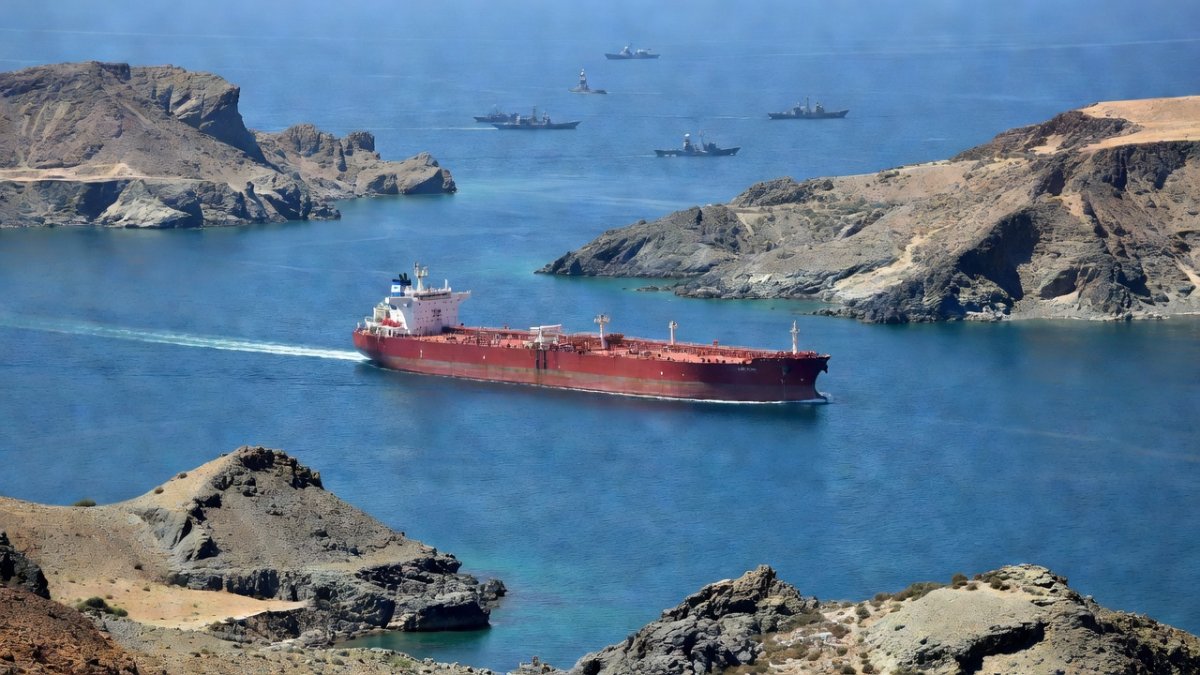
The Abu Dhabi National Oil Company (ADNOC) confirmed on Thursday evening that two of its vessels were attacked while transiting the Strait of Hormuz, marking the latest escalation in a regional conflict that has now seen 16 ships targeted since late February. The UAE Foreign Ministry has formally accused Iran’s Islamic Revolutionary Guard Corps (IRGC) of the attack, calling it a "blatant violation" of international law, while Tehran had not issued an immediate response as of Thursday night.
Attack on the Waterway
ADNOC stated that "two of its vessels were attacked while transiting" the Strait of Hormuz on the evening of August 13, 2026, according to a company statement reported by Gulf News. The company said the situation was "brought under control" and that no injuries were reported on these two specific vessels. The attack occurred in the same waterway where an ADNOC tanker was targeted by a missile on August 8, an incident that drew condemnation from Egypt, which denounced attacks on UAE-linked tankers as negotiations over the strait continued, according to Khaleej Times and Daily News Egypt.
The UAE Foreign Ministry issued a strong condemnation of what it described as "the hostile Iranian attack," according to Al Jazeera. The ministry characterized the assault as a "blatant violation" of UN Security Council Resolution 2817 and explicitly accused the IRGC of "acts of piracy." The statement did not provide details on the method of attack or the extent of damage to the vessels, and Iranian officials had not responded to the accusations as of Thursday night.
According to Khaleej Times, the August 13 incident brings the total number of vessels attacked since the regional conflict began to 16. ADNOC has previously stated that attacks since the start of the war have caused one crew fatality and 20 injuries, according to the company’s official statement. The cumulative toll on commercial shipping in the region has raised concerns among international maritime insurers and global energy traders monitoring the stability of the critical waterway.
A Chokepoint Under Pressure
The Strait of Hormuz is a narrow passage between the Persian Gulf and the Gulf of Oman, and it carries roughly one-fifth of global oil demand, according to Al Jazeera. The waterway is the primary transit route for crude oil and liquefied natural gas from major producers including Saudi Arabia, Iraq, Kuwait, and the United Arab Emirates. Any disruption to shipping through the strait has immediate and significant implications for global energy prices and supply chains.
Iran has restricted transit through the strait in response to what it calls "US-Israeli aggression," according to Press TV and Al Jazeera. The restrictions have been in place since the conflict began, with Iranian authorities limiting the movement of commercial vessels through the waterway. Iran has also announced its intention to charge users for passage through the strait, a proposal that the United States has firmly opposed, according to Al Jazeera. The US has responded by imposing its own blockade on Iranian shipping, creating a dual-layer of restrictions in one of the world’s most vital maritime corridors.
The combination of Iranian transit restrictions and the US naval blockade has created a complex and dangerous environment for commercial shipping. Vessels transiting the strait now face the risk of attack from Iranian forces, as evidenced by the ADNOC incidents, while also navigating the broader geopolitical standoff between Washington and Tehran. The situation has forced shipping companies to reassess routes and insurance costs, with many vessels opting for alternative, longer routes where feasible.
Background: A Conflict on Pause
The current crisis traces back to February 28, when the US-Israel war with Iran began, according to Al Jazeera. The conflict was paused under a ceasefire that took effect on April 8, but the underlying tensions have not been resolved. Since the ceasefire, Iran has restricted transit through the Strait of Hormuz in response to what it describes as continued "US-Israeli aggression," according to Press TV. The restrictions have remained in place even as diplomatic efforts to reopen the strait have been underway.
The war and the subsequent closure of the strait have had a profound impact on global energy markets. Brent crude oil peaked near $118 per barrel after the strait’s closure in early March, according to market trackers cited by Trading Economics. The price has since moderated but remains significantly elevated compared to pre-conflict levels, reflecting the persistent risk premium associated with the waterway’s instability.
The April 8 ceasefire paused active hostilities but did not resolve the core issues that led to the conflict. Iran has continued to assert its control over the strait, while the United States has maintained its naval presence in the region. The ceasefire has allowed for some diplomatic engagement, but the underlying disputes over the strait’s status and Iran’s nuclear program remain unresolved, according to The New York Times.
America's Response
The United States has taken a hard line on the Strait of Hormuz, with President Donald Trump asserting that "the only one that has control of the Strait of Hormuz right now is the United States Navy," according to CNBC. Trump has claimed "100% control" of the strait and has demanded that Iran pay reparations as a condition for any talks, CNBC reported on August 11. The US Navy has imposed a blockade on Iranian shipping, effectively challenging Iran’s ability to restrict transit through the waterway.
Iran’s Foreign Minister Seyed Abbas Araghchi warned the United States against "an even bigger miscalculation" on August 13, according to Press TV. The warning came as the US maintained its naval blockade and continued to press its demands for reparations. Araghchi’s statement suggested that Iran views the US presence in the strait as a provocation and that further escalation remains a possibility.
Iranian officials have privately expressed concern that the US naval blockade will cause economic collapse, according to Fortune, which reported on August 8 that Iranian officials have admitted sanctions relief is desperately needed. The combination of US sanctions, the naval blockade, and the costs associated with the conflict have placed significant strain on Iran’s economy. The internal worries among Iranian officials highlight the pressure Tehran faces as it navigates the standoff with Washington.
What This Means at the Pump
The ongoing crisis in the Strait of Hormuz has had a direct impact on global oil prices. Brent crude traded around $87.87 per barrel on August 14, up about 0.9% on the day and roughly 33% higher than a year ago, according to Trading Economics. The price increase reflects the persistent risk premium associated with the waterway’s instability and the potential for further disruptions to supply.
The price spike following the strait’s closure in early March, when Brent peaked near $118 per barrel, demonstrated the market’s sensitivity to events in the region. While prices have retreated from that peak, they remain elevated compared to pre-conflict levels. The August 13 attack on the ADNOC vessels has renewed concerns about the safety of shipping through the strait, and market analysts are closely monitoring whether the incident will lead to further price increases.
The impact of higher oil prices extends beyond the pump, affecting transportation costs, manufacturing inputs, and consumer goods prices globally. The sustained elevation of crude prices has contributed to inflationary pressures in many economies, complicating central bank efforts to manage monetary policy. The situation in the Strait of Hormuz remains a key variable for global economic outlooks, according to Trading Economics.
The Diplomatic Endgame
Diplomatic efforts to resolve the crisis have centered on talks between Iran and Oman, according to The New York Times. The two countries have held discussions on reopening the strait, and President Trump cited progress in those negotiations when he canceled a threatened attack on Iran, The New York Times reported on August 3. However, Iran has stated that there are no current talks with the United States, indicating that the diplomatic channel remains indirect and mediated through Omani officials.
The Oman talks represent the most viable path toward reopening the strait and de-escalating the conflict. The negotiations have focused on the terms under which Iran would allow unrestricted transit through the waterway, including the issue of passage fees and the broader sanctions regime. The United States has opposed Iran’s plan to charge users for passage, while Iran has insisted on its right to control the strait as a sovereign matter, according to Al Jazeera.
The diplomatic endgame remains uncertain, with significant gaps between the parties’ positions. The United States has demanded reparations from Iran as a condition for talks, while Iran has sought sanctions relief and recognition of its interests in the strait. The Omani-mediated talks have provided a channel for communication, but no breakthrough has been announced as of mid-August. The situation remains fluid, and the risk of further escalation persists.
The attack on the ADNOC vessels on August 13 has added urgency to the diplomatic efforts, as the international community watches to see whether the incident will derail the negotiations or push the parties toward a resolution. The measured response from the UAE, which has focused on diplomatic condemnation rather than military retaliation, suggests that the Gulf states are seeking to avoid a broader conflict. The coming weeks will be critical in determining whether the Omani-mediated talks can produce a framework for reopening the strait and stabilizing the region.
By Jessica Ali, Staff Writer
This article was produced with AI-assisted research and editorial support. Sources: Reuters, Al Jazeera, CNBC, The New York Times, Fortune, Trading Economics.
What's Your Reaction?
 Like
0
Like
0
 Dislike
0
Dislike
0
 Love
0
Love
0
 Funny
0
Funny
0
 Wow
0
Wow
0
 Sad
0
Sad
0
 Angry
0
Angry
0

Editor-in-Chief at Global1.News. Atlanta-based journalist who cuts through the BS and tells it like it is. Lead anchor, host, and the voice you hear when the spin stops and the truth starts.














Comments (0)