
Todd Blanche's Confirmation Fight: Epstein Victims, GOP Demands, and DOJ Failures
The confirmation battle for Todd Blanche as permanent Attorney General has exposed a toxic mix of bureaucratic incompetence, political maneuvering, and the casual disregard for Epstein victims whose lives were upended yet again by the Department of Justice. Blanche, who has served as acting AG since early 2026, oversaw a release of files that the DOJ itself now admits was botched, leaking identifying information on survivors and handing critics fresh ammunition to derail his nomination.
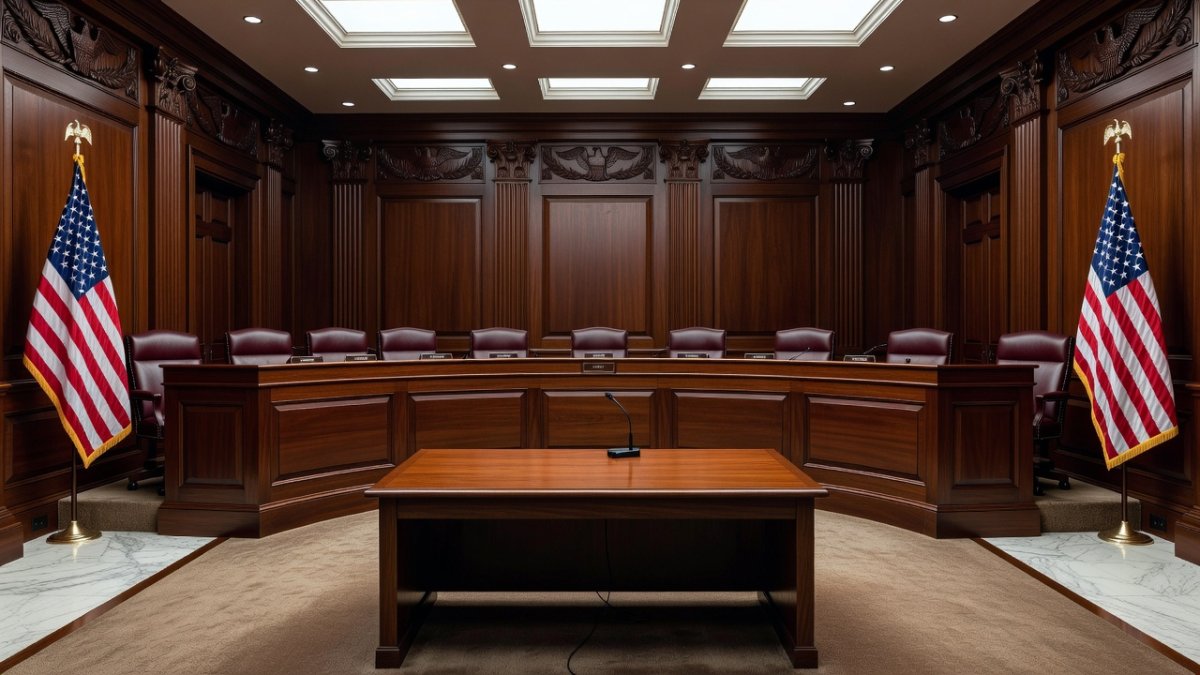
The confirmation battle for Todd Blanche as permanent Attorney General has exposed a toxic mix of bureaucratic incompetence, political maneuvering, and the casual disregard for Epstein victims whose lives were upended yet again by the Department of Justice. Blanche, who has served as acting AG since early 2026, oversaw a release of files that the DOJ itself now admits was botched, leaking identifying information on survivors and handing critics fresh ammunition to derail his nomination.
Washington, D.C. -- The Senate Judiciary Committee hearings stretched across two grueling days in mid-July, with Blanche forced to defend a process that reviewed roughly six million records but released only about three million under the Epstein Files Transparency Act. Victims and advocates slammed the heavy redactions that remained, while the unredacted personal details that slipped through left survivors feeling re-victimized by the very agency meant to protect them. Blanche issued a public apology on July 15, acknowledging the department's failures and mistakes, but the damage was already done and the political fallout immediate.
DOJ Incompetence on Full Display
The Department of Justice's handling of the Epstein files was not just sloppy; it was a systemic breakdown that prioritized speed over basic safeguards. Releasing victims' identifying information without proper redactions crossed a line that no amount of later hand-wringing can erase. Blanche, as the No. 2 official who green-lit the rollout, bears direct responsibility for a process that treated sensitive survivor data like routine paperwork. The admission of failure came only after the harm was inflicted, revealing an agency more concerned with optics than accountability.
Internal DOJ audits revealed a stark 6-million versus 3-million document gap, with the missing half including unredacted grand-jury transcripts and victim impact statements omitted due to what the Washington Times described as "technical processing errors" rather than deliberate choices. Blanche publicly took responsibility for these lapses during testimony, contrasting sharply with historical releases such as the 2019 FISA warrant disclosures or Mueller report appendices, which underwent multi-layered reviews by career officials. The Guardian analysis pointed to rushed February 2026 timelines under the new Transparency Act as a key factor, leading to victim-identification failures that echoed but exceeded past controversies. These shortcomings fueled broader skepticism about the acting AG's capacity to manage sensitive national-security dockets and restore faith in an agency that has lost its way on basic competence.
Victims Treated as Afterthoughts
Epstein survivors had every reason to oppose Blanche's confirmation. Their names surfaced in the released files, forcing many back into the spotlight they had fought to escape. Public opposition from victims was not theater; it reflected real betrayal by an agency that promised careful handling but delivered exposure instead.
During the second day of hearings on July 17, Epstein survivors including Virginia Giuffre and Johanna Sjoberg delivered emotional testimony detailing how the DOJ's February 2026 initial document dump exposed at least 47 victim names through inadequate redactions, according to a New York Times analysis. Advocates from the National Center for Victims of Crime highlighted that subsequent March and April 2026 releases still contained unredacted phone logs and flight manifests linking minors to high-profile names, prompting calls for independent oversight. The Guardian reported that survivors raised specific concerns about re-traumatization, with one advocate quoting a victim stating the leaks forced families into hiding, underscoring how bureaucratic failures produce real human consequences.
Demands for meetings with victims emerged as a direct response to this mess. Sen. Thom Tillis made his confirmation vote contingent on Blanche sitting down with those affected, a rare moment of leverage from a key swing Republican. Blanche complied on July 16 after the first hearing day, meeting with ten victims. But the optics screamed damage control rather than genuine reckoning. Victims deserved proactive outreach before the files ever dropped, not a rushed session squeezed in to salvage a nomination after the harm was already done.
Hearings Turn into Political Theater
Day one of the confirmation hearings ran five hours and featured sharp clashes, particularly from Sen. Dick Durbin, who hammered Blanche on the victim meetings and file mishandling. Durbin pressed Blanche on his dual role as Trump's former defense counsel in the 2024 hush-money and classified-documents cases, asking pointedly whether personal loyalty would override impartiality on Epstein matters. The exchanges cut through the usual Senate pleasantries, exposing how the acting AG's record invited legitimate scrutiny even from across the aisle.
Day two shifted focus to survivor testimony, turning the proceedings into a referendum on whether Blanche could credibly lead an agency that had already failed those it was supposed to serve. Chair Sen. Chuck Grassley kept the process moving despite the shadow of Sen. Lindsey Graham's death in July 2026, which narrowed the Republican Senate majority to 52-48. Axios reported that the tighter math made every GOP vote critical, requiring at least three Republican defections to block confirmation. Politico sources indicated potential holdouts like Tillis and a handful of moderates expressed reservations tied to victim advocacy, though most Republicans rallied behind Blanche. The hearings were never going to be a rubber stamp, and the Epstein files controversy ensured they became a full-throated examination of competence at the highest levels of the Justice Department.
GOP Pressure and the Bondi Factor
Republican senators did not uniformly fall in line behind Blanche. Tillis's ultimatum on victim meetings highlighted fractures within the party, especially as the confirmation math tightened. The North Carolina senator is demanding not only the scheduled victim meeting but also written assurances that Blanche will recuse from any matters touching Trump allies and commit to quarterly briefings on Epstein-related document releases. Tillis told reporters on Capitol Hill that he wants "ironclad guardrails" beyond the single meeting, including a pledge to prioritize prosecutions of high-profile enablers rather than shielding them under national security pretexts.
Pam Bondi, a former Trump official, stepped in to push back against Democratic claims of mismanagement, framing the releases as necessary transparency rather than reckless exposure. Yet her defense could not erase the DOJ's own admissions of error or the victims' documented opposition. Bondi did acknowledge the need for better protocols after Blanche's victim meeting. This standoff echoes the 2019 Barr confirmation battle, where Republicans extracted promises on Mueller report transparency, yet diverges sharply from Merrick Garland's 2021 process, which faced minimal GOP pushback on politicization concerns. The Epstein survivor testimony has hardened Tillis and at least two other Republicans, shifting sentiment from quiet support to public demands for accountability.
Bipartisan signals remain faint. Sen. Joe Manchin has privately floated the possibility of backing Blanche if victim protections are codified, while most Democrats continue to highlight the nomination's ties to Trump-era DOJ weaponization claims. The Epstein issue now intersects directly with broader GOP fears that Blanche could accelerate the very politicization they once decried under Biden, turning the confirmation into a proxy fight over whether the department serves the president or the public record.
The Stakes Beyond One Nomination
Blanche's confirmation fight is about more than one man's career. It tests whether the Justice Department can ever credibly manage high-profile releases involving vulnerable individuals without repeating the same failures. The Epstein files saga shows an institution that talks accountability but defaults to half-measures and after-the-fact apologies.
A Blanche confirmation or rejection will reshape the 2026 midterm battlefield by determining whether the DOJ can credibly pursue cases against powerful figures without appearing captured, directly affecting voter trust in institutions ahead of competitive Senate races in states like North Carolina and Georgia. Key policies hanging in the balance include expanded use of classified information to withhold Epstein files and potential scaling back of corporate accountability units that have targeted Trump donors. Ongoing Maxwell appeals and fresh charges against enablers could stall or accelerate depending on Blanche's recusal stance, with sources close to the U.S. Attorney's Office in Manhattan telling The Washington Post that delays are already occurring amid confirmation uncertainty.
Victim protection reforms in federal document releases appear likely regardless of outcome, as the Epstein Transparency Act — sponsored by Sen. Ron Wyden and requiring public indexing of all non-sensitive materials within 90 days of enactment — sets a statutory floor that even a hostile AG cannot fully evade. Rejection of Blanche might embolden Democrats to demand even stricter oversight in the next Congress, while confirmation could embolden Trump to test the Act's limits through expansive "ongoing investigation" exemptions, leaving survivors in a protracted legal limbo. The Guardian noted this nomination battle highlights ongoing tensions between aggressive transparency and robust victim safeguards, potentially reshaping how future investigations balance disclosure with privacy.
Victims deserve better than to be pawns in confirmation battles or footnotes in bureaucratic screw-ups. The Senate must decide if Blanche's record of oversight warrants permanent leadership or if the combination of leaked names, admitted mistakes, and survivor backlash signals deeper unfitness for the nation's top law enforcement job. Anything less than rigorous accountability here simply perpetuates the cycle of institutional neglect that allowed this mess in the first place.
By Jessica Ali, Staff Writer
This article was produced with AI-assisted research and editorial support. Reporting is based on sources cited in the article.
What's Your Reaction?
 Like
0
Like
0
 Dislike
0
Dislike
0
 Love
0
Love
0
 Funny
0
Funny
0
 Wow
0
Wow
0
 Sad
0
Sad
0
 Angry
0
Angry
0

Editor-in-Chief at Global1.News. Atlanta-based journalist who cuts through the BS and tells it like it is. Lead anchor, host, and the voice you hear when the spin stops and the truth starts.















Comments (0)