
The young politicians with African roots making history in the US midterms
The 2026 U.S. midterm elections have produced a striking cohort of young politicians with African roots, a development that resonated far beyond American borders.
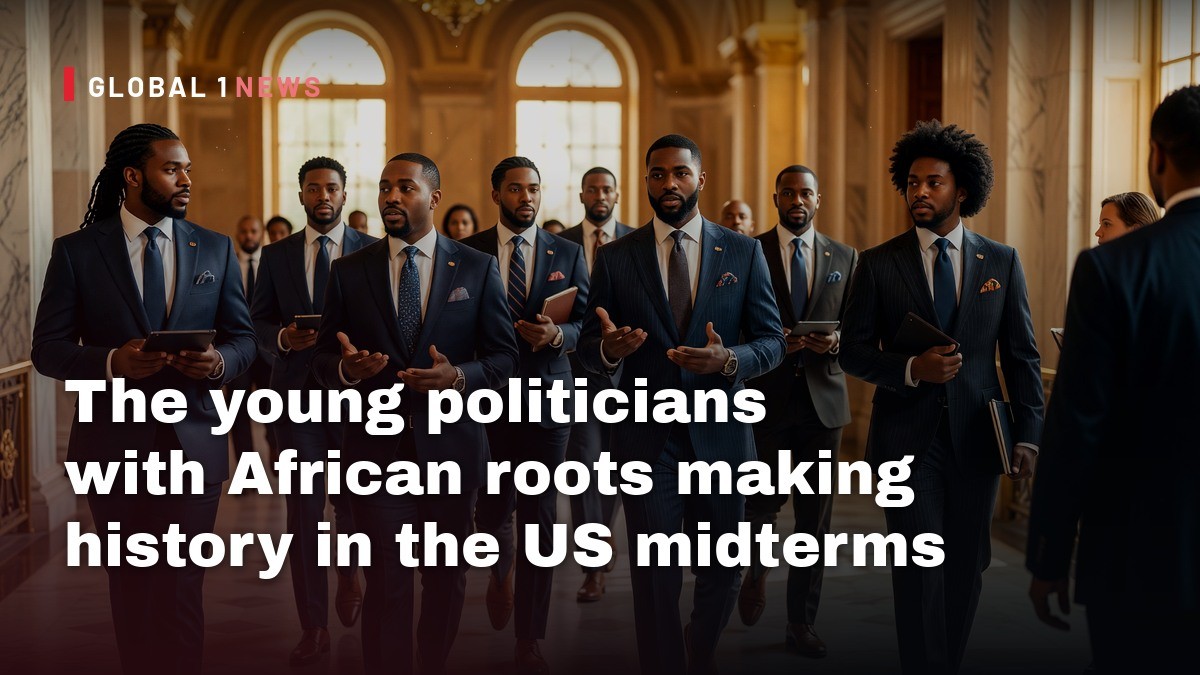
The 2026 U.S. midterm elections have produced a striking cohort of young politicians with African roots, a development that resonated far beyond American borders. From a historic first‑generation Muslim senator in Michigan to a Gen Z congresswoman of Ethiopian birth, the victories underscore a new wave of diaspora leaders whose platforms echo the concerns of young Africans at home. As the results circulate on social media in Nigeria, Kenya and across the continent, they offer a glimpse of how a generation accustomed to digital campaigning and progressive agendas might shape politics back home.
Abdul El‑Sayed: A historic first for Muslim representation
At 42, Abdul El‑Sayed will become the first Muslim senator in U.S. history, a milestone that carried symbolic weight for both American Muslims and the broader African diaspora. Born to Egyptian immigrant parents, El‑Sayed faced attacks that framed his Arabic name as a political liability, with President Donald Trump accusing him of ties to the Muslim Brotherhood. He dismissed those claims, emphasizing his public‑health background and progressive platform.
El‑Sayed’s campaign relied heavily on a social‑media‑first strategy, using TikTok videos that blended policy discussion with Gen Z humor and even friendship bracelets. His agenda championed Medicare for All, affordable housing and curbing corporate influence, while also taking a firm stance against U.S. military aid to Israel. The blend of digital savvy and progressive policy helped him overcome a hostile media environment and secure a Senate seat.
Melat Kiros: The first Gen Z woman in Congress
Born in Ethiopia and raised in Denver, Melat Kiros made history at 29 as the first Gen Z woman elected to the U.S. House of Representatives. She unseated a 15‑term incumbent in Colorado’s 1st District, first winning a decisive primary before securing a landslide victory in the general election. Kiros’s platform mirrored that of her fellow young diaspora candidates, focusing on the cost of living, universal childcare and Medicare for All.
Endorsed by the Democratic Socialists of America, Kiros also called for the abolition of Immigration and Customs Enforcement and an end to U.S. military aid to Israel. Her outspoken criticism of Israel’s war in Gaza sparked controversy, yet she clarified that her opposition targeted state policy, not Jewish people. A 2023 dismissal from a New York law firm after she defended pro‑Palestinian student activists propelled her into politics, illustrating how personal experiences of injustice can fuel public service ambitions.
Adrian Boafo: From local council to the national stage
Second‑generation Ghanaian‑American Adrian Boafo secured the Maryland 5th Congressional District seat, succeeding long‑time Congressman Steny Hoyer. Born in Virginia and raised in Prince George’s County, Boafo’s political journey began on the Bowie City Council and continued as a Maryland state delegate from 2023. His campaign highlighted the same core concerns—cost of living, childcare and protecting federal workers—that dominate the progressive agenda of his peers.
Boafo’s victory speech emphasized the urgency of representing constituents amid federal job cuts and rising expenses, linking his personal narrative of immigrant heritage to the broader struggle of working‑class families. His ascent underscores how local political experience can serve as a springboard for diaspora candidates seeking national influence.
Ilhan Omar: A seasoned voice amid controversy
Somali‑born Ilhan Omar, now 44, won a fifth term in the House despite an ongoing federal investigation into her immigration paperwork. Federal agents searched her Washington home in October, but no charges have been filed. Omar, first elected in 2018, remains a prominent figure as the first Somali‑American and one of the first Muslim women in Congress, frequently targeted by former President Trump.
While Omar’s legal challenges add a layer of complexity, her continued presence in Congress signals the durability of diaspora representation. Her experience also reflects the broader pattern of African‑born politicians navigating American political hostility while maintaining a platform that includes progressive economic policies and criticism of U.S. foreign aid to Israel.
Nigerian‑heritage breakthroughs at state and local levels
Beyond the national spotlight, candidates of Nigerian descent achieved notable successes in state and municipal races. Junior Ezeonu, who arrived in the United States as a child, became Grand Prairie’s youngest city council member before winning a seat in the Texas State House at 27. Similarly, Carol Kazeem, a 34‑year‑old Pennsylvania state legislator, retained her District 159 seat, marking at least four Nigerian‑heritage victories in the November 3 midterms.
These wins illustrate a growing pipeline of African‑descended leaders emerging from local governance structures. Their achievements suggest that the diaspora’s political influence is not limited to high‑profile federal races but is also reshaping state legislatures and city councils across the country.
Social media as a catalyst for trans‑Atlantic inspiration
The election outcomes have quickly become a source of inspiration on platforms such as TikTok, Twitter and Instagram, especially in Nigeria and Kenya where national elections loom in 2027. Young Africans are sharing the stories of El‑Sayed, Kiros and Boafo, drawing parallels between their digital campaign tactics and the strategies needed to mobilise voters on the continent.
Commentators note that the emphasis on affordable housing, universal childcare and curbing corporate influence resonates with African youths confronting similar challenges. The diaspora’s success in leveraging humor, personal storytelling and issue‑focused messaging offers a template for activists seeking to translate online momentum into electoral gains at home.
Looking ahead: What the diaspora victories mean for Africa
While the U.S. midterms are a distinct political arena, the emergence of young African‑rooted politicians signals a broader shift. Their platforms—centered on economic justice, social welfare and a critical stance on foreign military aid—mirror the priorities of many African societies grappling with inequality and external dependency.
For African reformers, the diaspora’s achievements provide both a morale boost and a practical roadmap. The success of social‑media‑driven campaigns, the ability to translate personal narratives of migration into political capital, and the willingness to confront entrenched power structures all offer lessons for upcoming elections across the continent. As the next wave of African voters prepares to head to the polls in 2027, the stories from the United States may well inform how a new generation of leaders mobilises, campaigns and ultimately reshapes the political landscape at home.
This article was produced with AI-assisted research and editorial support. Reporting is based on the source material cited below. Sources: BBC News Africa; bbc.co.uk; Global1.News (07 November 2026).
By Amara Diop, Staff Writer
What's Your Reaction?
 Like
0
 Dislike
0
 Love
0
 Funny
0
 Wow
0
 Sad
0
 Angry
0

West Africa/Sahel Correspondent at Global1.News. Dakar-based journalist covering politics, security, climate, and development across Francophone and Anglophone West Africa. Tells the stories of a region undergoing profound transformation.













Comments (0)