
Italian chef fired after refusing to put pineapple on pizza
In May 2026, an Italian chef named Davide Tamburella was dismissed from the La Costa restaurant in Brisbane after refusing to prepare a ham and pineapple pizza for a function.
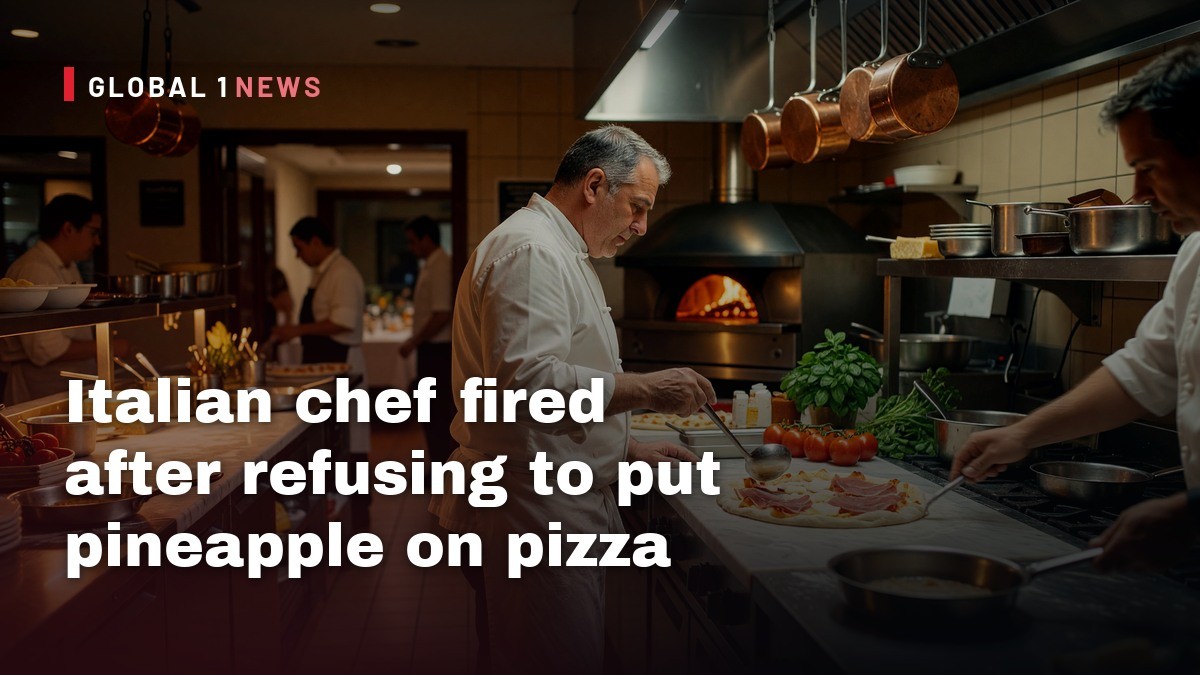
In May 2026, an Italian chef named Davide Tamburella was dismissed from the La Costa restaurant in Brisbane after refusing to prepare a ham and pineapple pizza for a function. The incident, which reached Australia’s Fair Work Commission, has sparked debate over cultural identity, workplace conduct and the limits of culinary tradition in a multicultural society. While the dispute may appear trivial—a topping choice on a pizza—it reveals deeper tensions between personal cultural convictions and the expectations of a diverse hospitality industry.
Background to the dismissal
Tamborella, an Italian national employed at La Costa, a Brisbane eatery that closed later that year, was summoned to a meeting with management in early May. The meeting, according to the commission’s ruling, followed a series of complaints about his behaviour, including his refusal to make a ham and pineapple pizza for guests at a corporate function. During that meeting, Tamburella reportedly told management that any directive that he deemed “offensive to his culture” need not be followed.
The chef’s refusal was not an isolated incident. The commission noted that this was the third time in the past four years that Tamburella had declined to use pineapple on pizza, a pattern that had been documented in his employment history. He had previously asked his employer to “check how important it is for Italians not to put pineapple on a pizza,” indicating a consistent stance that the topping conflicted with his cultural identity.
The cultural argument
In his defence, Tamburella framed the use of pineapple as an “insult to his culture.” The commission’s ruling recorded his belief that, as an Italian, he was entitled to reject a topping that he perceived as a distortion of traditional Italian cuisine. This perspective taps into a long‑standing debate in Italy and among the diaspora about the authenticity of “Hawaiian” pizza, a dish that pairs ham and pineapple and has been widely adopted in many countries, including Australia.
Queensland, the Australian state where Brisbane is located, is known as the nation’s pineapple heartland, producing the bulk of the country’s commercial pineapples. The fruit is celebrated locally, with landmarks such as The Big Pineapple on the Sunshine Coast—a 16‑metre‑tall fibreglass model that draws tourists for photo‑ops. This regional pride in pineapple adds a layer of complexity to Tamburella’s stance, as the topping is not merely a culinary choice but also a product tied to local identity and economy.
Workplace conduct and safety concerns
Beyond the topping dispute, the commission’s findings highlighted additional concerns about Tamburella’s conduct in the workplace. Management raised issues regarding his use of foul language, his communication style, and what was described as an “escalation of frustration” among staff. These behavioural complaints suggest that the conflict extended beyond a single culinary disagreement.
In April 2026, Tamburella suffered a physical injury at work when he struck a metal hand rail, fracturing bones in his right hand. While the incident was unrelated to the pineapple controversy, it underscores the stressful environment that may have contributed to heightened tensions. The commission’s report does not link the injury directly to the dismissal, but it forms part of the broader context of workplace dynamics at La Costa.
Legal proceedings and the unfair dismissal claim
Following his termination, Tamburella lodged a claim with the Fair Work Commission, alleging unfair dismissal. The tribunal, however, dismissed his claim on procedural grounds, noting that the application had been filed too late. The ruling did not address the substantive merits of his cultural argument, focusing instead on the timing of the claim.
Tamburella had also been seeking a visa sponsorship from La Costa that would allow skilled workers to become permanent residents of Australia. The dismissal led the restaurant to terminate that sponsorship process, further complicating his immigration status. The loss of the visa opportunity, coupled with the failed unfair dismissal claim, left Tamburella without the legal recourse he had hoped for.
Employer’s perspective
Elliot Ingram, the managing director of La Costa, told the Daily Mail that “there was more to this story than a pizza topping.” While Ingram did not elaborate publicly, the commission’s record of multiple complaints about Tamburella’s behaviour suggests that the employer viewed the incident as part of a broader pattern of workplace disruption.
The restaurant’s decision to close later in 2026 may have been influenced by a range of factors, including the controversy surrounding Tamburella’s dismissal. Although the closure is not directly linked to the pineapple dispute, the timing raises questions about the operational impact of such internal conflicts on a hospitality business.
Career aftermath for Tamburella
After his termination, Tamburella updated his LinkedIn profile to reflect his continued employment at another Brisbane restaurant. A BBC verification found that pineapple does not appear on that establishment’s menu, indicating that he may have sought a workplace more aligned with his culinary philosophy. His profile also highlights a career focus on “delivering exceptional food” and “improving business performance,” as well as a recent “letter for chefs” emphasizing “respecting the ingredients.” These self‑descriptions suggest an attempt to reframe his professional identity around culinary integrity rather than the controversy.
The chef’s public statements and online activity demonstrate a consistent narrative: that respect for traditional ingredients is a core professional value. Whether this stance resonates with prospective employers in a market that increasingly embraces fusion and diverse toppings remains uncertain, but his move to a venue that excludes pineapple indicates a strategic alignment with his personal convictions.
Implications for multicultural workplaces
The Tamburella case illustrates the challenges that arise when cultural heritage intersects with the expectations of a globalised hospitality sector. While employers may seek to accommodate diverse customer preferences—including regional specialties such as pineapple—their staff may hold strong cultural objections that they view as non‑negotiable. Balancing these competing interests requires clear policies and open dialogue.
In Australia, where the workforce is markedly multicultural, the incident underscores the importance of establishing workplace standards that respect both cultural sensitivities and operational requirements. Employers must navigate the fine line between accommodating cultural expression and ensuring that service delivery meets customer expectations. The Fair Work Commission’s focus on procedural compliance, rather than adjudicating the cultural claim itself, suggests that legal frameworks prioritize process over subjective cultural arguments.
Ultimately, the episode serves as a cautionary tale for both employees and employers. For chefs and other skilled workers, it highlights the potential career ramifications of allowing cultural convictions to dictate workplace conduct. For managers, it signals the need to address behavioural concerns proactively and to clarify expectations around menu flexibility, especially in regions where local produce, like Queensland’s pineapples, holds symbolic significance. As the hospitality industry continues to evolve, the balance between tradition and innovation will remain a contested space, with cases like Tamburella’s offering a concrete example of the stakes involved.
This article was produced with AI-assisted research and editorial support. Reporting is based on the source material cited below. Sources: BBC News Asia; bbc.co.uk; Global1.News (05 November 2026).
By Kenji Tanaka, Staff Writer
What's Your Reaction?
 Like
0
 Dislike
0
 Love
0
 Funny
0
 Wow
0
 Sad
0
 Angry
0

Japan Correspondent at Global1.News. Tokyo-based voice covering Japanese politics, technology, economy, and culture. Tracks the intersection of tradition and innovation in one of the world's most dynamic societies.















Comments (0)