
The Longevity of K-pop Idols: A Structural Shift in Korea's Cultural Powerhouse
The South Korean idol industry, long characterized by a rapid churn of debuts and disbandments, is witnessing a profound structural transformation: the rise of the "long-running idol" (장수돌). Veteran acts who debuted in the early 2000s are not merely surviving; they are thriving, commanding stadium audiences and redefining the economic and cultural lifecycle of K-pop.
The South Korean idol industry, long characterized by a rapid churn of debuts and disbandments, is witnessing a profound structural transformation: the rise of the "long-running idol" (장수돌). Veteran acts who debuted in the early 2000s are not merely surviving; they are thriving, commanding stadium audiences and redefining the economic and cultural lifecycle of K-pop. This development signals a maturation of the Hallyu ecosystem, moving beyond a youth-centric model toward a multi-generational cultural industry with significant implications for Korea's soft power strategy in Northeast Asia and beyond.
The Second Act of K-pop's First Generation: A Structural Analysis of Veteran Idol Longevity
[Seoul, South Korea – August 17, 2026] — The weekend of August 8-9, 2026, saw 2PM sell out their Korean concert, a feat that would have been unremarkable for the group in their 2010s prime but is now a significant marker of a new industry reality. Just three months prior, in May 2026, the group drew a cumulative 85,000 attendees to the Tokyo Dome in Japan. These figures are not anomalies but part of a broader, verifiable trend: veteran idol groups are returning to the forefront of Korea's cultural economy with a commercial viability that challenges the industry's historical obsession with youth.
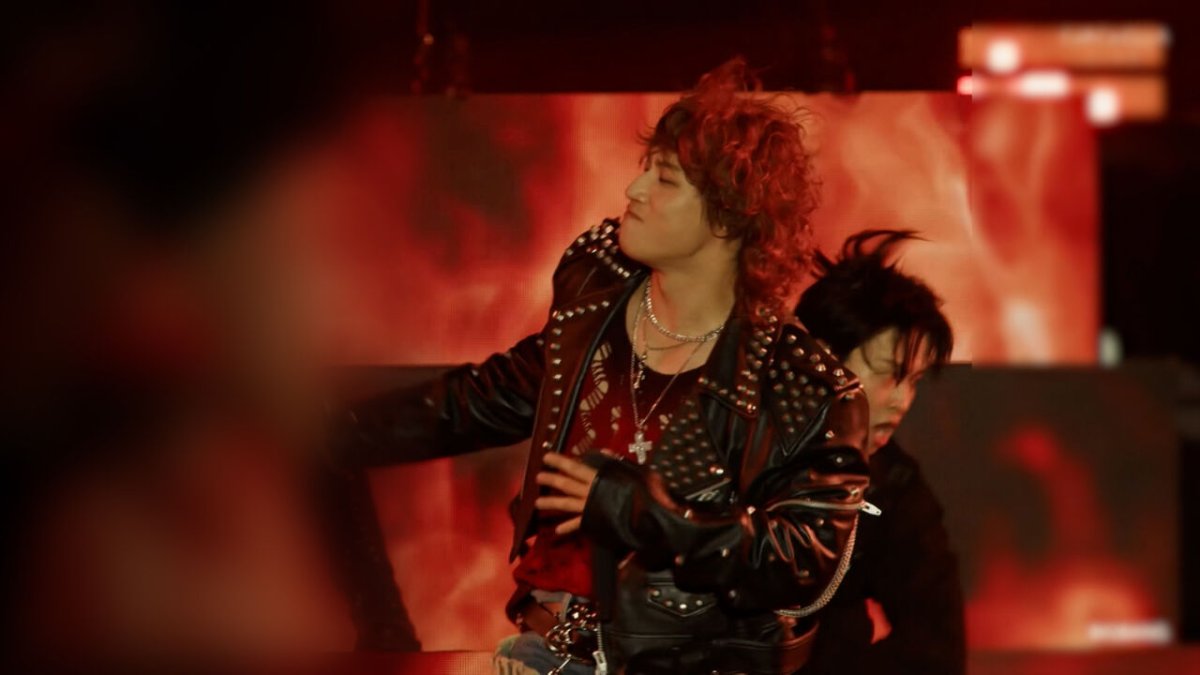
The phenomenon extends across the spectrum of second- and third-generation acts. U-Know Yunho of TVXQ, now in his 23rd year since debut, held his first solo concert in July 2026, a milestone that showcased not only new tracks but a retrospective of his solo work within the group's extensive discography. Simultaneously, BIGBANG is set to commence the BIGBANG 2026 WORLD TOUR IN GOYANG on August 21, 2026, at the Goyang Sports Complex. This three-day event, sponsored by Coupang Play, marks the group's first world tour since 2017, with members G-Dragon, Taeyang, and Daesung performing together before expanding to 18 cities and 31 performances across North America, Europe, Oceania, and Asia. The convergence of these events in a single summer is not coincidental; it represents a structural inflection point for the industry.
The Economics of Legacy Fandoms and Group Synergy
The commercial logic underpinning these veteran returns is distinct from that of rookie groups. Pop music critic Mimi explains that group activities create a specific synergy: even when individual members possess substantial independent fandoms, the collective promotion generates an impact equivalent to "the number of members plus alpha." This arithmetic is crucial for understanding the economics of legacy acts. For 2PM, whose members have pursued solo careers in acting and music, the reunion capitalizes on a shared nostalgia while leveraging the accumulated individual star power of each member. The result is a fanbase that is both deeply loyal and financially mature, possessing greater disposable income than the teenage demographics typically associated with K-pop.
This economic model is further reinforced by the "public recognition" advantage. Pop music critic Kim Do-heon notes that idol groups which enjoyed nationwide popularity in their heyday possess a structural advantage for long-term activities. Their names are embedded in the national cultural consciousness, allowing them to transcend the fickle nature of real-time trend cycles. This stands in stark contrast to groups that debuted in an era of fragmented public tastes, where the sheer volume of new acts makes it difficult to achieve the same level of ubiquitous recognition. The longevity of 2PM, TVXQ, and BIGBANG is therefore predicated on a historical foundation of mass appeal that newer groups may find structurally impossible to replicate.
Military Service: The Structural Constraint of Korean Idol Longevity
Any analysis of K-pop longevity must confront the unique structural constraint of mandatory military service. The approximately 18-month conscription period interrupts the continuous activity that is the lifeblood of most global music acts. This interruption is a critical differentiator between the Korean market and markets like the United States or Japan, where groups can maintain unbroken promotional cycles for decades. The fact that 2PM's 15th-anniversary concert in 2023 was their first complete-group stage in six years is a direct consequence of this conscription cycle, as members fulfilled their service obligations in staggered succession.
However, the current wave of veteran returns suggests that the industry has adapted to this constraint. Rather than viewing military service as a career-ending hiatus, it is now being integrated into the narrative arc of a group's history. The "reunion after service" has become a powerful promotional narrative, generating significant media attention and fan anticipation. This adaptation indicates a maturation of the industry's operational planning, where agencies now strategize for a 15-20 year lifecycle that accommodates the mandatory service of multiple members. The success of this model is evident in the sustained demand for veteran acts, suggesting that the Korean industry has developed a unique solution to a structural problem that has no parallel in other major music markets.

Cultural Policy and the Soft Power Calculus
The longevity of these idols carries profound implications for Korea's cultural policy and soft power strategy. The Ministry of Culture, Sports and Tourism has long positioned K-pop as a pillar of the nation's cultural exports. The sustained activity of veteran groups diversifies the portfolio of Korean cultural assets. While rookie groups generate initial global interest, veteran acts provide a stable, long-term foundation for cultural diplomacy. The ability of 2PM to fill the Tokyo Dome and BIGBANG to launch a multi-continental tour demonstrates that Korean cultural exports are not a fleeting trend but a durable component of the global entertainment landscape.
This durability is particularly significant in the context of Northeast Asian geopolitics. K-pop serves as a non-governmental channel of cultural exchange, and the longevity of these acts allows for sustained engagement with international audiences over decades. The fan quotes from U-Know Yunho's concert are instructive here. Akimi, a fan for 14 years, praised his "upright character and devotion to fans," while Lee Ji-hyun, a fan for 22 years, cited his "continued growth and sincerity." These testimonials reveal that the soft power of K-pop is not merely about music consumption but about the cultivation of long-term parasocial relationships that foster affinity for Korean culture. The longevity of idols enables the deepening of these relationships, creating a more resilient form of cultural influence than the transient attention afforded to new acts.
Expert Perspectives on the Future of Idol Longevity
While the current trend is encouraging, critics caution against assuming that all veteran groups will enjoy similar success. Kim Do-heon argues that to achieve the longer lifespans of overseas groups active for 30-40 years, idols must maintain consistent musical activities and contemplate new expressions in tune with the changing history of the group. This is a critical distinction: longevity is not merely about surviving but about evolving. The challenge for veteran acts is to avoid becoming nostalgia acts, instead finding ways to remain artistically relevant to both their aging fanbase and new generations of listeners.
The path forward is not uniform. Groups that debuted in an era of fragmented public tastes may face a different situation, lacking the broad recognition that underpins the success of their predecessors. This suggests a bifurcation in the industry's future: a select group of legacy acts with deep historical roots will continue to thrive, while newer groups may struggle to achieve similar longevity due to the absence of a unified public consciousness. The industry must therefore develop new strategies for building long-term loyalty in a media environment that is fundamentally different from that of the early 2000s.
Looking Ahead
The summer of 2026 will be remembered as a watershed moment for the Korean idol industry. The simultaneous activity of 2PM, TVXQ's Yunho, and BIGBANG demonstrates that the industry has successfully transitioned from a youth-centric model to a multi-generational one. This transition is not merely a commercial phenomenon but a structural evolution with significant implications for Korea's cultural exports and soft power. As these veteran acts continue to perform and evolve, they will serve as the foundational pillars of a more mature and resilient Hallyu, one that is capable of sustaining Korea's cultural influence for decades to come.
The key variable will be the industry's ability to manage the delicate balance between nostalgia and innovation. If veteran groups can continue to produce compelling new work while honoring their historical legacy, the "long-running idol" will become not an exception but a standard feature of the Korean cultural landscape. For policymakers at the Ministry of Culture, Sports and Tourism, the challenge will be to support this ecosystem in a way that ensures the longevity of the Hallyu wave itself, transforming it from a cultural trend into a permanent pillar of Korea's national identity and global standing.
By Prof. David Park, Staff Writer
This article was produced with AI-assisted research and editorial support. Reporting is based on sources cited in the article.
What's Your Reaction?
 Like
0
Like
0
 Dislike
0
Dislike
0
 Love
0
Love
0
 Funny
0
Funny
0
 Wow
0
Wow
0
 Sad
0
Sad
0
 Angry
0
Angry
0
East Asia/Technology Correspondent at Global1.News. Seoul-based voice covering Korean politics, technology, business, and culture. Analyzes how technology and geopolitics intersect across East Asia.












Comments (0)