
Thailand Welcomes 18.5 Million Foreign Tourists in First Seven Months of 2026
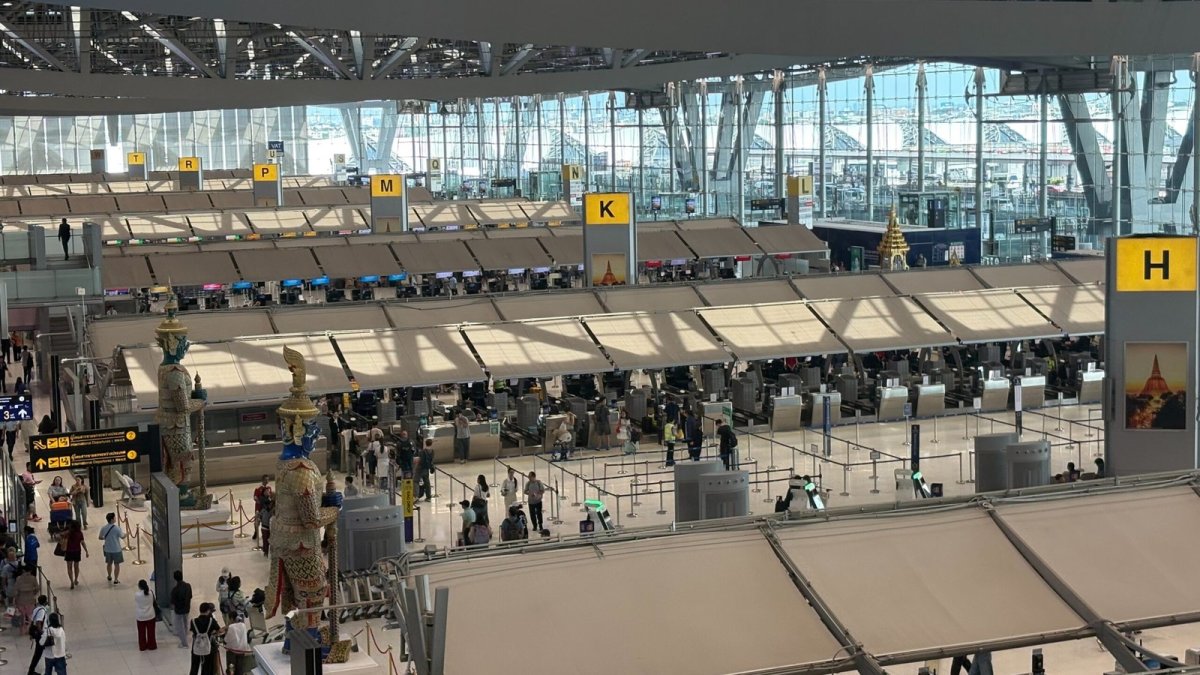
Thailand Welcomes 18.5 Million Visitors in Early 2026 Thailand recorded 18,510,243 international arrivals between 1 January and 1 August 2026, according to the Ministry of Tourism and Sports. These visitors generated 896.2 billion baht in tourism revenue during the seven-month period.
Thailand Welcomes 18.5 Million Visitors in Early 2026
Thailand recorded 18,510,243 international arrivals between 1 January and 1 August 2026, according to the Ministry of Tourism and Sports. These visitors generated 896.2 billion baht in tourism revenue during the seven-month period. The figures come despite a 3.19 percent decline compared with the same stretch last year.
Tourism and Sports Minister Surasak Phancharoenworakul presented the data in Bangkok this week. The ministry noted that the revenue total still supports hotels, restaurants and transport operators across the country. Many families in Phuket and Chiang Mai depend on these steady arrivals for their livelihoods.
These arrivals highlight Thailand's enduring appeal as a gateway to Southeast Asia, where visitors often combine beach time in the south with cultural stops in the north. The Ministry of Tourism and Sports works closely with provincial tourism offices to ensure that revenue reaches smaller operators who rely on steady footfall during the rainy season months.
Buddhist temples across the country benefit indirectly when tourists extend their stays, purchasing offerings and participating in merit-making activities that strengthen local economies. Families in rural areas near Ayutthaya prepare traditional crafts for sale, turning visitor interest into sustainable income that supports community schools and festivals.
Regional trade within ASEAN gains momentum as well, since many travellers use Thailand as a hub before heading to neighbouring countries. This pattern helps maintain diplomatic goodwill and encourages joint promotions that benefit the entire bloc during slower travel periods.
Top Source Markets Show Steady Regional Flows
China led all markets with 3,078,486 visitors during the period. Malaysia followed with 2,373,537 arrivals, while India contributed 1,376,433 tourists. Russia sent 1,100,847 visitors and South Korea accounted for 679,064 arrivals.
These numbers reflect strong ties within ASEAN and with key Asian partners. Malaysian travellers often cross the border into southern provinces such as Songkhla and Hat Yai, bringing direct spending to local markets. Indian visitors frequently include stops at Buddhist temples in Ayutthaya and Sukhothai, linking tourism with Thailand's cultural heritage.
Chinese visitors continue to favour destinations like Bangkok and Pattaya, where shopping districts and night markets cater specifically to group tours that arrive on chartered flights. Local vendors in these areas adjust their offerings to include familiar snacks and signage in Mandarin, creating a welcoming atmosphere that encourages repeat visits.
Russian travellers often choose extended stays in Phuket, where beach resorts offer Russian-language menus and Orthodox church services during major holidays. This cultural accommodation strengthens long-term loyalty and supports year-round employment for staff who learn basic phrases to assist guests.
Indian tourists bring family groups that value Thailand's vegetarian dining options and temple circuits, fostering deeper connections through shared Buddhist traditions. Such exchanges promote mutual understanding and open doors for educational tourism programmes between the two nations.
Weekly Arrivals and Short-Haul Challenges
Between 26 July and 1 August, Thailand received 567,312 foreign visitors. This marked a 2.92 percent drop from the prior week, averaging 81,045 arrivals each day. The Ministry of Tourism and Sports linked the slowdown to reduced airline seats on India-Thailand routes, where capacity fell 28.6 percent year-on-year.
Reports of unrest in the southern border provinces also affected short-haul travel decisions. Tourism Authority of Thailand offices in Bangkok have increased coordination with the Royal Thai Police to reassure visitors about safety measures in affected areas. Local communities in Pattani and Yala continue to prepare cultural festivals that highlight peaceful daily life.
Short-haul markets from nearby ASEAN nations feel these fluctuations most directly, as many travellers decide on last-minute trips based on news reports. The Tourism Authority of Thailand responds by sharing real-time updates through social media channels that reach Malaysian and Singaporean audiences quickly.
Communities along the southern border maintain their traditions of hospitality, inviting visitors to join weekend markets that feature local handicrafts and halal cuisine. These efforts help preserve daily routines while gently reminding travellers that most areas remain calm and open for exploration.
Airline capacity reductions on India routes prompt the ministry to explore partnerships with carriers for future schedule adjustments. Such steps aim to restore balance and ensure that cultural exchanges between Thai and Indian communities continue without interruption during peak family travel seasons.
Long-Haul Growth and New Flight Links
European markets showed continued expansion, supported by fresh flight connections. The new Dubai-Bangkok service to Don Mueang Airport and the Amsterdam-Suvarnabhumi route helped bring more travellers from the Netherlands and surrounding countries.
South Korean arrivals rose 19.85 percent in the latest reporting week alone. Family trips during school holidays lifted the total, placing South Korea as the fourth-largest source market for that seven-day stretch. Many Korean visitors head to Chiang Mai for temple stays and traditional Thai cooking classes that blend with Buddhist practices.
European tourists often extend their journeys to include Isaan provinces, where they experience silk weaving demonstrations and village homestays that introduce them to Thailand's rural heritage. These longer itineraries increase spending in areas that previously saw fewer international guests.
The new flight routes from Dubai and Amsterdam ease connections for travellers combining business with leisure, allowing them to attend conferences in Bangkok before relaxing in coastal resorts. This flexibility supports Thailand's growing reputation as a convenient stopover within global travel networks.
South Korean families participating in temple stays learn about Buddhist meditation alongside Thai participants, creating moments of shared reflection that deepen cultural appreciation. Such programmes encourage visitors to return during other seasons and recommend similar experiences to friends back home.
Economic Impact Across Thai Regions
The 896.2 billion baht in revenue supports jobs in hospitality and retail from Bangkok to the Isaan region. Hotels in Khon Kaen and Udon Thani report higher occupancy when long-haul tourists extend trips beyond the capital. The Tourism Authority of Thailand works with provincial offices to promote community-based tourism that respects local customs.
Thailand's position within ASEAN benefits from these visitor flows. Neighbouring countries such as Malaysia and Singapore see indirect gains when tourists combine multi-country trips. The Ministry of Tourism and Sports continues to coordinate with ASEAN tourism ministers on joint marketing that highlights shared cultural routes.
Revenue from tourism flows into local infrastructure projects, including improved roads near popular temples in Sukhothai that ease access for both visitors and residents. Provincial governments use part of the income to fund youth training programmes in hospitality skills.
Markets in Chiang Mai benefit when Korean and Russian visitors purchase local textiles and silverwork, sustaining artisan families who pass techniques across generations. These purchases preserve traditional crafts while providing stable income outside peak harvest seasons.
Joint ASEAN campaigns encourage travellers to explore routes that link Thai heritage sites with similar locations in Cambodia and Laos. This regional approach spreads economic benefits more evenly and strengthens diplomatic ties through shared tourism initiatives.
Looking Ahead for Thai Tourism
Officials expect further recovery in long-haul segments as additional flight routes open. The ministry plans targeted campaigns that connect visitors with Thailand's Buddhist festivals and local markets in the coming months. These efforts aim to balance short-haul dips with steady growth from Europe and East Asia.
Daily life in tourist areas remains centred on hospitality and cultural exchange. Communities in Phuket prepare for upcoming events that welcome families from South Korea and Russia, while Bangkok hotels adjust services to meet the needs of Indian and Malaysian guests. The steady revenue stream helps maintain Thailand's role as a welcoming hub in Southeast Asia.
Future campaigns will emphasise Thailand's role in preserving Buddhist traditions that resonate with visitors from across Asia. Local temples in Ayutthaya host special ceremonies during major festivals, inviting international guests to join in ways that foster respect and understanding.
Provincial leaders in the south work with the Tourism Authority of Thailand to highlight peaceful community events that showcase daily life beyond headlines. These initiatives help restore confidence among short-haul travellers who value authentic experiences in safe environments.
Overall, Thailand's tourism sector continues to adapt by blending economic needs with cultural preservation, ensuring that growth supports both urban centres and rural villages. This balanced approach keeps the kingdom attractive to diverse visitors while strengthening its position in regional diplomacy.
By Ann Srisawat, Staff WriterThis article was produced with AI-assisted research and editorial support. Reporting is based on sources cited in the article.
What's Your Reaction?
 Like
1
Like
1
 Dislike
0
Dislike
0
 Love
0
Love
0
 Funny
0
Funny
0
 Wow
0
Wow
0
 Sad
0
Sad
0
 Angry
0
Angry
0

Southeast Asia Correspondent at Global1.News. Based in Bangkok, covering Thai and Southeast Asian politics, economy, technology, and culture. Deep regional perspective on one of the world's most dynamic regions.













Comments (0)