
Thailand Revives B20 Biodiesel Push to Fortify Energy Security
Thailand is reviving its biodiesel strategy as a frontline defence against global energy turbulence, with the government positioning B20 fuel as a cornerstone of its next resilience plan.
Thailand is reviving its biodiesel strategy as a frontline defence against global energy turbulence, with the government positioning B20 fuel as a cornerstone of its next resilience plan. The move comes as the kingdom grapples with the fallout from the Strait of Hormuz closure, which has exposed the fragility of its energy supply chain and underscored the urgent need for domestic alternatives.
Biofuel Push Revived as Thailand Fortifies Energy Defences Against Global Shockwaves
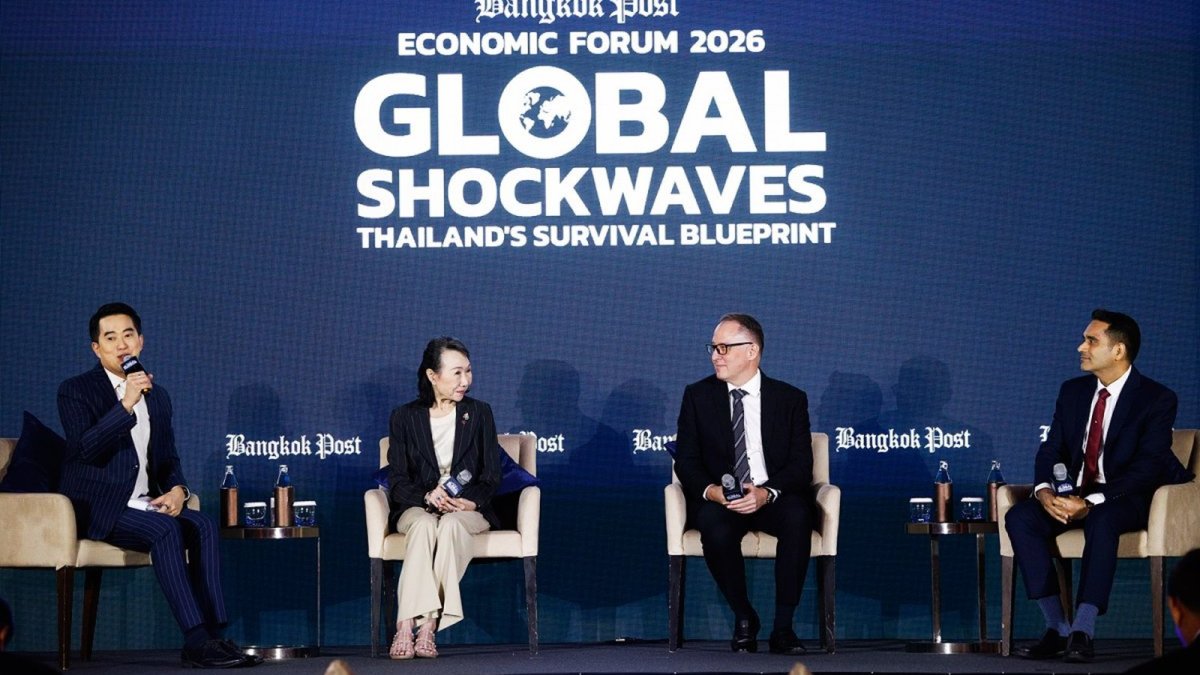
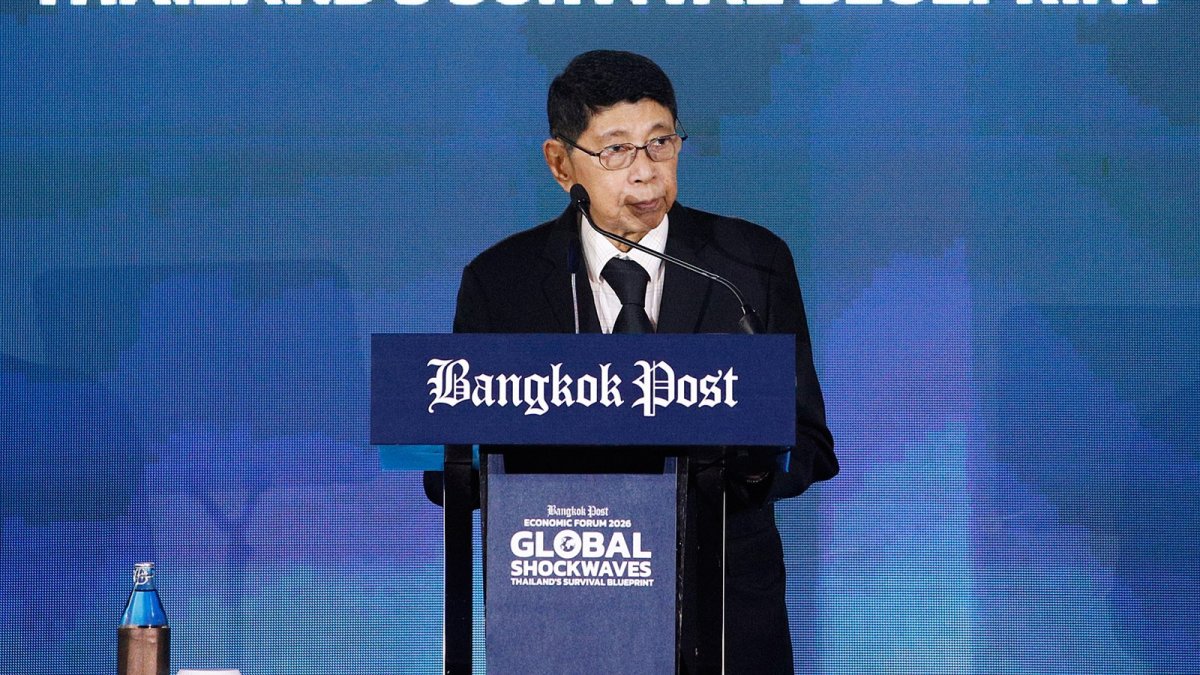
Bangkok, Thailand – 29 May 2026 — Thailand is ramping up efforts to promote biofuel usage as part of a long-term plan to reduce its heavy reliance on imported energy, according to Dr. Veerapat Kiatfuengfoo, Deputy Permanent Secretary of the Ministry of Energy. Speaking at the Bangkok Post Economic Forum 2026, held on Wednesday at the Centara Grand at CentralWorld, Dr. Veerapat outlined a strategy that links grassroots agriculture directly to national energy security, a move that resonates deeply with Thailand's rural economy and its Buddhist traditions of self-sufficiency.
Strategic Shift: B20 Biodiesel Takes Centre Stage
The nation imports approximately 90% of its oil supply, with half of those shipments passing through the Strait of Hormuz — a critical chokepoint that became a flashpoint in earlier this year when Iran effectively closed the passage to international shipping. The closure, which carries roughly one-fifth of global oil supplies, sent shockwaves through Asian economies, and Thailand felt the impact with unusual speed. Dr. Veerapat told the forum that maximising biofuel consumption in the transport sector is one of the most effective ways to shield the economy from global crude oil price volatility.
The government's next resilience strategy will focus on promoting B20 biodiesel, which contains 20% methyl ester — significantly higher than the 7% blend in B7 currently used across the country. B20 is being positioned as a primary alternative fuel for diesel engine vehicles, particularly heavy-duty trucks and industrial machinery that form the backbone of Thailand's logistics and manufacturing sectors. This is not the first time Thailand has turned to B20; the government previously encouraged its adoption when crude oil prices surged following Russia's invasion of Ukraine in 2022, though the push slowed once global prices stabilised.
To ensure B20 remains available at filling stations across the kingdom, the government is subsidising the fuel through the Oil Fuel Fund, keeping its price lower than B7. This financial mechanism, managed by the Oil Fuel Fund Administration Office under the Energy Ministry, has long been used to cushion Thai consumers from price spikes, and now it is being deployed to drive a structural shift in fuel consumption patterns.
Thailand Context: From Sugarcane Fields to Fuel Tanks
Thailand's agricultural economy is directly tied to this biofuel strategy. Ethanol, derived from sugar residue and cassava, is already blended with gasoline to create gasohol, while methyl ester, produced from oil palm, is blended with diesel to produce biodiesel. These are not abstract industrial inputs — they are the lifeblood of rural communities in provinces like Kanchanaburi, Suphan Buri, Chonburi, Krabi, Surat Thani, and Chumphon, where sugarcane and oil palm are major cash crops.
Dr. Veerapat captured this connection succinctly: "Promoting B20 is a strategic move that links our grassroots economy directly to our energy goals. It boosts demand for domestic crops, stabilises prices and reduces long-term dependence on imported energy." For Thai farmers, this means more stable incomes and a stronger position in the national economy. For the Energy Ministry, it means a tangible reduction in the country's vulnerability to geopolitical shocks originating thousands of kilometres away.
The biofuel push will complement Thailand's broader energy transition, which includes expanding electric vehicle (EV) adoption and solar power usage. While EVs reduce oil reliance, renewable energy helps households depend less on the state grid, where much of the electricity is generated from natural gas. Together, these measures form a multi-pronged approach to energy security that the government is calling part of "Thailand's Survival Blueprint" — a framework designed to weather global shockwaves ranging from trade tensions to armed conflict.
Implications for Southeast Asia: A Regional Shift Toward Self-Reliance
Thailand's renewed focus on biofuels carries significant implications for the wider ASEAN region. Indonesia and Malaysia, the world's two largest palm-oil producers, have their own biodiesel programs — B30 and B35 in Indonesia, B20 in Malaysia — and Thailand's increased demand for methyl ester supports regional palm prices. This creates a virtuous cycle: as more Southeast Asian nations mandate higher biofuel blends, the regional agricultural economy strengthens, and collective dependence on Middle Eastern oil diminishes.
The Strait of Hormuz chokepoint affects all of Asia — Japan, South Korea, China, and India are major importers of crude oil through this narrow passage. Thailand's push for energy self-reliance mirrors a regional trend toward diversifying energy sources and supply routes. The Ministry of Energy has also been exploring US LNG imports to cut Hormuz energy risk, a move reported by Nation Thailand, while Energy Minister Pirapan Salirathavibhaga has ordered urgent measures to prepare for potential supply disruptions.
For Thai readers, this is not merely an abstract policy discussion. The price of diesel affects the cost of every truckload of goods, every bus journey, and every fishing boat that returns to port. When global oil prices spike, inflation follows, and the most vulnerable households feel the pinch first. By promoting B20, the government is attempting to insulate the domestic economy from these external shocks while simultaneously supporting farmers in the Isaan region and the South.
Expert Perspectives: A Strategic Move with Deep Roots
Dr. Veerapat brings substantial credentials to this portfolio. As Deputy Permanent Secretary of the Ministry of Energy since 2023, he previously served as Deputy Director General of the Energy Policy and Planning Office (EPPO) and held board positions at PTT Public Company Limited, Thai Oil Public Company Limited, and PTT Exploration and Production Plc. His academic background includes a PhD in Development Studies from the University of Melbourne and an undergraduate degree from Kasetsart University, grounding his energy policy expertise in a broader understanding of rural development.
The forum itself brought together key figures shaping Thailand's economic future. Industry Minister Varawut Silpa-archa delivered a keynote address, while Prof Dr Wissanu Krea-ngam, former deputy prime minister and chairman of the board of Bangkok Post Plc, delivered the welcome speech. The panel on "Resilience, Sustainability, and Opportunities: Thailand's Path to Future Growth" featured Pimjai Leeissaranukul, Chairwoman of the Federation of Thai Industries (FTI), and Dr Amphon Chalermchai, Head of Research Office and Executive Vice President at BIBM Thai Bank, among others.
The presence of industry and banking leaders alongside energy officials signals that this is not a siloed energy policy but a coordinated national strategy. The Federation of Thai Industries has long advocated for stable energy prices to maintain manufacturing competitiveness, and the banking sector views energy security as a fundamental pillar of economic stability.
What to Watch For
The coming months will reveal whether the B20 revival gains lasting traction. The government's subsidy through the Oil Fuel Fund is designed to keep B20 price-competitive, but the sustainability of this subsidy depends on global oil prices and domestic fiscal capacity. If crude prices remain elevated due to the Hormuz situation, B20's cost advantage will persist, and adoption rates among trucking companies and industrial operators are likely to climb.
Thailand currently imports nearly one million barrels of crude oil per day, with more than 90% of total energy consumption coming from imports. Around 40% of Thailand's energy imports are transported through the Strait of Hormuz. The Ministry of Energy has developed response scenarios amid the escalation between Israel and Iran, and the promotion of B20 is a central pillar of these contingency plans.
The broader question is whether Thailand can maintain policy momentum once the immediate crisis subsides. The 2022 experience — where B20 adoption slowed after oil prices stabilised — serves as a cautionary tale. However, the current geopolitical landscape suggests that energy turbulence may be the new normal, not a temporary aberration. For Thailand, the path forward lies in converting this moment of crisis into a lasting structural transformation of its energy economy.
As the Bangkok Post Economic Forum 2026 concluded, the message was clear: Thailand's survival blueprint is not a static document but a living strategy that must adapt to global shockwaves. The promotion of B20 biodiesel represents a tangible, immediate step that connects the grassroots economy to national energy security — a uniquely Thai approach that leverages agricultural abundance to counter geopolitical vulnerability. Whether this strategy succeeds will depend on sustained government commitment, farmer participation, and the willingness of Thai industry to embrace a fuel that is both domestically produced and strategically vital.
By Ann Srisawat, Staff Writer
This article was produced with AI-assisted research and editorial support. Reporting is based on sources cited in the article.
What's Your Reaction?
 Like
0
Like
0
 Dislike
0
Dislike
0
 Love
0
Love
0
 Funny
0
Funny
0
 Wow
0
Wow
0
 Sad
0
Sad
0
 Angry
0
Angry
0

Southeast Asia Correspondent at Global1.News. Based in Bangkok, covering Thai and Southeast Asian politics, economy, technology, and culture. Deep regional perspective on one of the world's most dynamic regions.











Comments (0)