
Somalia’s Fragile Federal Order Tests Mogadishu as Baidoa Clashes and a Disputed Airstrike Deepen the Crisis
MOGADISHU, September 8, 2026 – A week of escalating violence has pushed Somalia’s federal experiment to a critical juncture. On Thursday, September 3, government troops and regional militias fought heavy battles on the outskirts of Baidoa. Days later, a disputed overnight airstrike near…
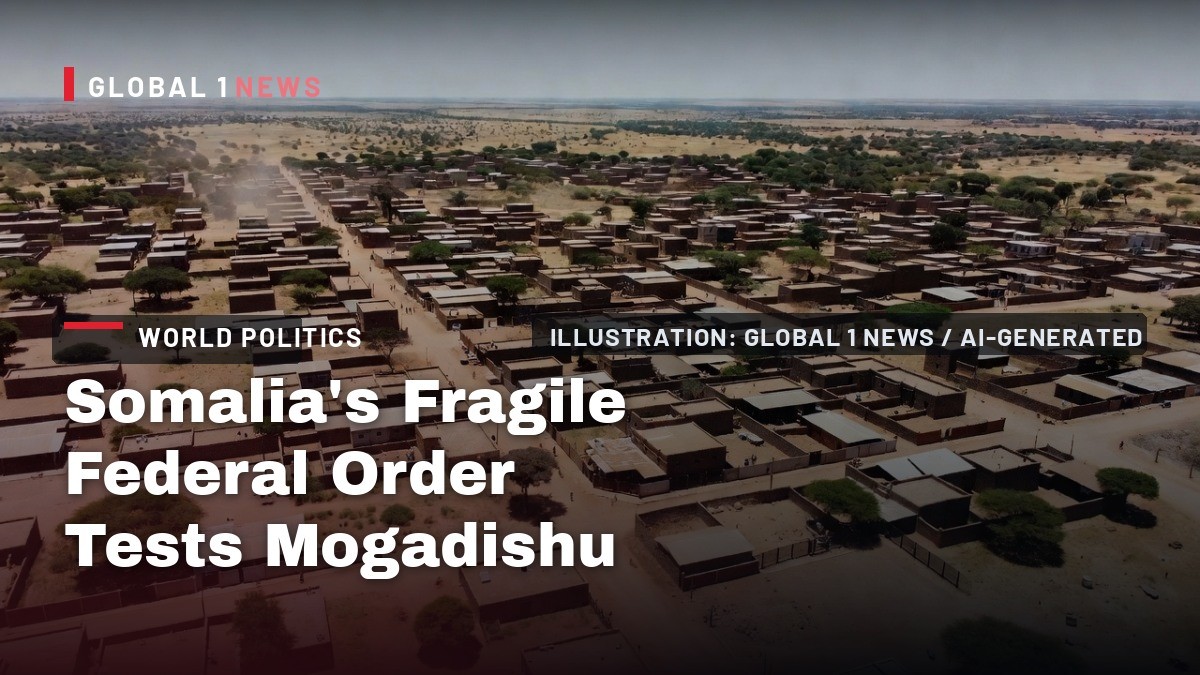
MOGADISHU, September 8, 2026 – A week of escalating violence has pushed Somalia’s federal experiment to a critical juncture. On Thursday, September 3, government troops and regional militias fought heavy battles on the outskirts of Baidoa. Days later, a disputed overnight airstrike near the Ethiopian border triggered mass protests and threats against Turkey, Somalia’s primary security partner. The events have exposed a widening rift between the central government in Mogadishu and powerful federal member states, raising questions about the country’s stability just as it faces a severe humanitarian emergency.
This report is based on verified wire service accounts and regional reporting. The situation remains fluid, with multiple parties offering conflicting narratives. What is clear is that Somalia’s internal political disputes are now being fought with heavy weapons, foreign military assets, and a mounting civilian toll.
Heavy Fighting Erupts in Baidoa
Fighting erupted in the early hours of Thursday, September 3, on the outskirts of Baidoa, the largest city in Somalia’s South West State. According to the Associated Press, the clashes pitted Somali government forces against militias aligned with former South West State President Abdiaziz Hassan Mohamed Laftagareen. Heavy gunfire was reported, and civilians fled several neighbourhoods as stray bullets landed in residential areas.
Somalia’s Defence Ministry issued a statement on X, claiming that government forces had responded to an attack by fighters loyal to Laftagareen. The ministry described the attackers as “militias” linked to the ousted president and also referenced the al-Qaeda-linked extremist group al-Shabab. The statement did not provide further details on the sequence of events or the specific role of al-Shabab in the assault.
The fighting stopped in the early afternoon. Government troops subsequently patrolled the streets, while ambulances rushed to the scene to transport the wounded. Residents emerged from their homes to assess the damage and clear bloodied clothing from the pavement, according to AP reporting from the ground.
Dr. Abdikafi Omar Mohamud, head of the emergency department at Bay Regional Hospital in Baidoa, told the Associated Press that his staff received 71 wounded people, including 15 women, and one dead civilian. There is no official casualty figure for the day’s violence. A Baidoa resident, Abdullahi Haji, told AP he left his home immediately upon hearing the gunfire, noting that stray bullets were landing in residential areas.
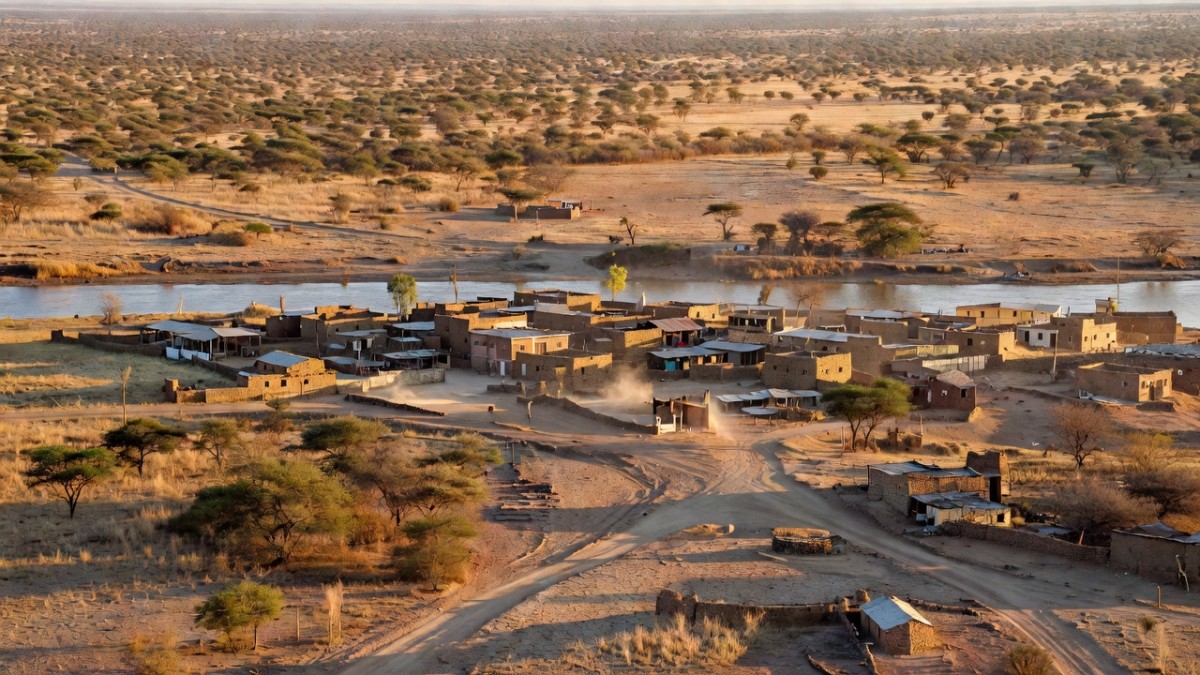
Baidoa is located approximately 245 kilometres (150 miles) northwest of Mogadishu. The city serves as a major humanitarian hub and hosts more than half a million people displaced by conflict and drought. The September 3 clashes were not an isolated incident. Last month, in August 2026, fighting in and around Baidoa left at least four civilians dead and 98 others wounded. Earlier in August, Somali forces and rebel fighters clashed for control of the city in battles involving explosives and dozens of casualties, as reported by AP and Al Jazeera.
The Political Feud Behind the Fighting
The violence in Baidoa is the latest escalation in a long-running political and security dispute between the federal government in Mogadishu and Laftagareen over control of South West State. Laftagareen was ousted from the presidency of the federal member state, a move that has fuelled a bitter power struggle. The federal government has asserted its authority over the region, while Laftagareen and his militia allies have resisted, leading to repeated military confrontations.
The dispute is not merely personal. It reflects a deeper structural tension within Somalia’s federal system. For years, Mogadishu and the federal member states—including Jubaland and South West State—have clashed over elections, security arrangements, and the distribution of revenue. The federal government seeks to centralise control, particularly over security forces and foreign relations. The member states, by contrast, view themselves as autonomous entities with legitimate claims to local governance and resource management.
The result has been a patchwork of alliances and enmities. In Baidoa, the federal government’s forces are fighting a former regional president who has refused to cede ground. The involvement of al-Shabab, a persistent and brutal insurgency, further complicates the picture. The Defence Ministry’s statement linking Laftagareen’s militias with al-Shabab suggests that Mogadishu views the former president as part of a broader threat to state authority. However, no independent source has confirmed a formal alliance between Laftagareen’s forces and al-Shabab.
The political feud has direct consequences for civilians. Baidoa’s population, already strained by displacement and drought, is caught in the crossfire. The August and September clashes have repeatedly forced residents to flee, disrupted humanitarian operations, and overwhelmed local hospitals. The city’s status as a humanitarian hub makes it a critical location for aid delivery to millions of Somalis in need.
Disputed Airstrike in Doolow
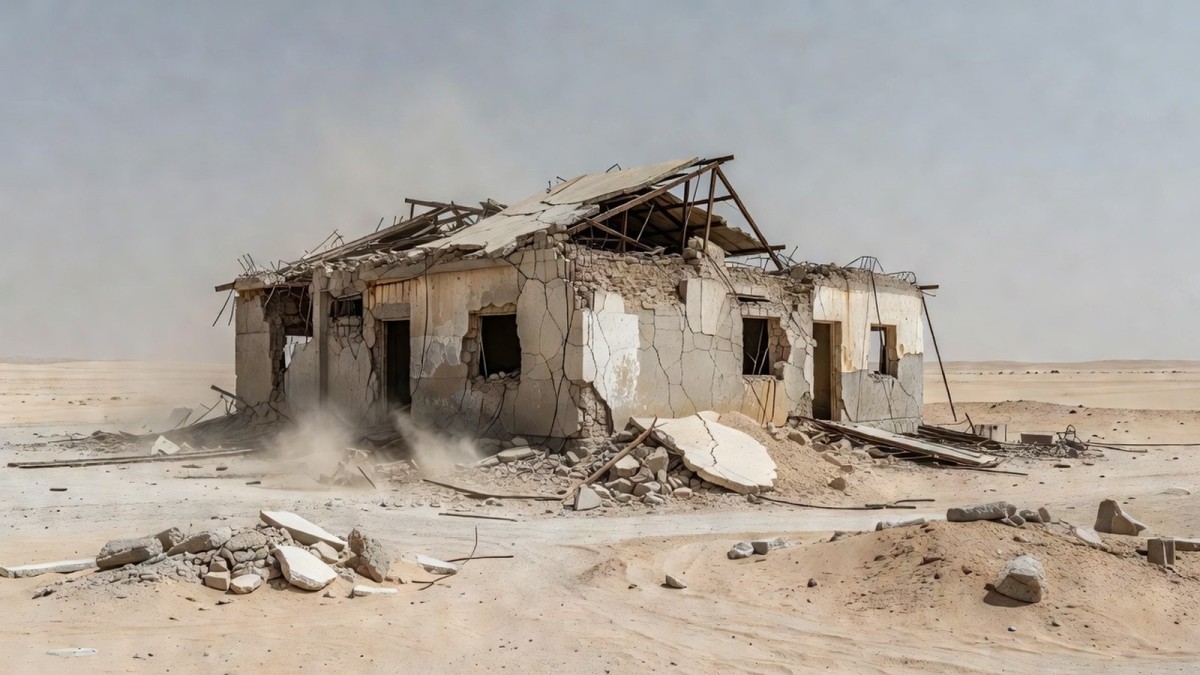
While Baidoa was still counting its wounded, a separate incident on the night of Thursday, September 3, into Friday, September 4, triggered a new crisis. An overnight strike hit the residential home of Brigadier General Mahad Abdirahman Aden, the former commander of Somalia’s Custodial Corps, also known as the national prison guards. General Mahad, widely known as “General Shub” or “Taliye Shub,” resides in Doolow district, Gedo region, near the Ethiopian border.
The strike is the subject of intense dispute. Jubaland’s Ministry of Information, Culture and Tourism issued a statement claiming that Turkish military aircraft carried out the operation. According to the ministry, two missiles were fired, one of which struck the home of Doolow’s district chairman. The ministry said five people were hurt: General Mahad, who sustained minor injuries, and four civilians, including his wife. Doolow District Commissioner Mohamed Hassan Lafey was also reported to have survived what was described as an assassination attempt that night, according to Kaab TV.
General Mahad is the father-in-law of ousted South West State President Abdiaziz Hassan Mohamed Laftagareen, a connection that has fuelled speculation about the strike’s political motivations. The federal government in Mogadishu has said it is investigating the incident. However, no party has independently established who conducted the strike, who authorised it, or what weapons were used. Turkey has not commented in the reporting available.
In a separate development, Somalia’s former intelligence chief, Fahad Yasin, accused the Speaker of the House of the People, Abdulkadir Mohamed Nur, known as “Jama,” of directing the strike. This is an accusation by a political figure and has not been independently confirmed. The claim underscores the highly charged political atmosphere surrounding the incident.
The lack of clarity is itself a problem. In a country where information is often weaponised, the disputed nature of the Doolow strike leaves room for multiple narratives. Jubaland’s government has asserted Turkish involvement, while Mogadishu has remained non-committal. The absence of an independent investigation means that the truth of what happened on that night remains unknown.
Protests Erupt and Jubaland Warns Turkey
The Doolow strike ignited public anger across the Gedo region and beyond. On Saturday, September 5, thousands of residents protested in Doolow and Garbahaarrey, denouncing the strike and alleged foreign military interference. Local administration officials joined the demonstrations, and footage showed protesters burning Turkish flags, according to Horn Observer, Kaab TV, and World Today Journal.
The protests continued on Sunday, September 6, with thousands more taking to the streets in Kismayo and Afmadow in Jubaland. Demonstrators demanded an independent investigation into the strike and voiced opposition to both the federal government and Turkey, as reported by World Today Journal.
Jubaland’s government issued a strongly worded statement, declaring that “Turkey will no longer be regarded as neutral.” The statement accused the federal government and Turkey of joint involvement in the strike and called on the international community to examine what it described as interference in Somalia’s internal affairs, according to Horseed Media. The statement also referenced the United Nations Security Council’s decision in December 2023 to lift a long-standing arms embargo on Somalia, suggesting that the current crisis unfolds in a new context of increased military activity.
Ousted South West State President Laftagareen also condemned airstrikes in Doolow and areas near Baidoa, accusing the federal government of using Turkish military capabilities for political repression, as reported by FTL Somalia.
The protests and Jubaland’s statement represent a significant shift in the regional dynamics. Turkey has been one of Somalia’s closest security partners, operating a large military training base in Mogadishu and training Somali armed forces for years. Ankara has also signed wide-ranging defence and economic agreements with the federal government. However, its expanding footprint in the Horn of Africa has drawn increasing scrutiny from Somali federal member states, who view Turkish involvement as reinforcing Mogadishu’s centralising ambitions.
Jubaland’s warning that Turkey will no longer be regarded as neutral is a direct challenge to Ankara’s role. If other federal member states follow suit, Turkey’s position in Somalia could become untenable. The federal government, which relies on Turkish support for its security forces, would face a difficult choice between its regional allies and its international partner.
A Journalist Killed and the Human Cost
The violence has claimed at least one confirmed life beyond the immediate clashes. Somali journalist Bashir Mohamed Abdullahi, also known as Bashir Moalin, a reporter with the local Arlaadi Media Network, died on Monday, September 7, from gunshot wounds sustained during the September 3 fighting in Baidoa. The Somali Journalists Syndicate (SJS) expressed condolences and had earlier reported that dozens of civilians, including the journalist, were injured in the clashes, according to Horn Observer and SJS.
The death of a journalist highlights the dangers faced by civilians and media workers in conflict zones. Bashir Moalin, who reported for Arlaadi Media Network, was wounded in the September 3 fighting in Baidoa and later died of his injuries. His death is a reminder that the political disputes between Mogadishu and regional leaders are not abstract power struggles; they have real, lethal consequences for ordinary Somalis.
The human cost extends beyond the journalist. The hospital in Baidoa received 71 wounded people on September 3 alone. The August clashes left at least four civilians dead and 98 wounded. These figures, provided by Dr. Abdikafi Omar Mohamud and the Somali Journalists Syndicate, are likely incomplete. In the chaos of urban fighting, many casualties may go unreported.
The broader humanitarian situation compounds the tragedy. Somalia is enduring a severe humanitarian crisis, with prolonged drought, conflict, and reduced aid leaving millions in need. Baidoa, which hosts more than half a million displaced people, is a focal point of this emergency. The repeated clashes in and around the city disrupt aid deliveries, force further displacement, and strain already scarce resources.
What Is at Stake and What Comes Next
The current crisis is a test of Somalia’s federal system. The dispute between Mogadishu and South West State over Laftagareen is one of several unresolved conflicts between the central government and federal member states. Jubaland’s confrontation with the federal government over the Doolow strike adds another layer of tension. If these disputes are not resolved through political means, the risk of further military escalation is high.
The role of external actors, particularly Turkey, is also under scrutiny. Turkey’s military base in Mogadishu and its training of Somali forces have made it a key player in Somalia’s security architecture. However, the disputed Doolow strike has turned Turkey into a target of public anger in Jubaland. The federal government’s response to Jubaland’s accusations will be closely watched. If Mogadishu is seen as using Turkish military capabilities against its own regional leaders, the legitimacy of the federal government could be severely undermined.
The international community, including the United Nations, faces a delicate balancing act. The lifting of the arms embargo in December 2023 was intended to help Somalia build its security forces. But the current crisis shows that those forces are being used in internal political disputes, not just against al-Shabab. International actors may need to press for a political solution that addresses the grievances of federal member states.
For now, the situation remains volatile. The federal government says it is investigating the Doolow strike, but no independent inquiry has been announced. Jubaland has called for an international examination of the incident. The protests in Gedo and Jubaland show that public anger is not subsiding. And in Baidoa, the wounded are still recovering, and the dead are being buried.
The coming weeks will determine whether Somalia can contain this crisis or whether it spirals into a wider conflict. The political feud between Mogadishu and Laftagareen, the disputed strike in Doolow, and the growing rift with Jubaland are not isolated events. They are symptoms of a deeper problem: the failure of Somalia’s federal system to manage power-sharing and security in a way that all parties accept. Until that problem is addressed, the violence is likely to continue.
By Jessica Ali, Staff Writer
This article was produced with AI-assisted research and editorial support. Sources: Associated Press; Al Jazeera/AFP; Somali Journalists Syndicate; Horn Observer; Somali Guardian; Kaab TV; Horseed Media; FTL Somalia.
What's Your Reaction?
 Like
0
Like
0
 Dislike
0
Dislike
0
 Love
0
Love
0
 Funny
0
Funny
0
 Wow
0
Wow
0
 Sad
0
Sad
0
 Angry
0
Angry
0

Editor-in-Chief at Global1.News. Atlanta-based journalist who cuts through the BS and tells it like it is. Lead anchor, host, and the voice you hear when the spin stops and the truth starts.










Comments (0)