
Care home nurse struck off after saying dementia resident did not need birthday cake
A senior care home nurse with more than a decade of experience has been struck off the professional register after a Nursing and Midwifery Council (NMC) panel found she told colleagues a resident with dementia did not need a birthday cake because they would not remember the occasion. Rossitsa Petkov
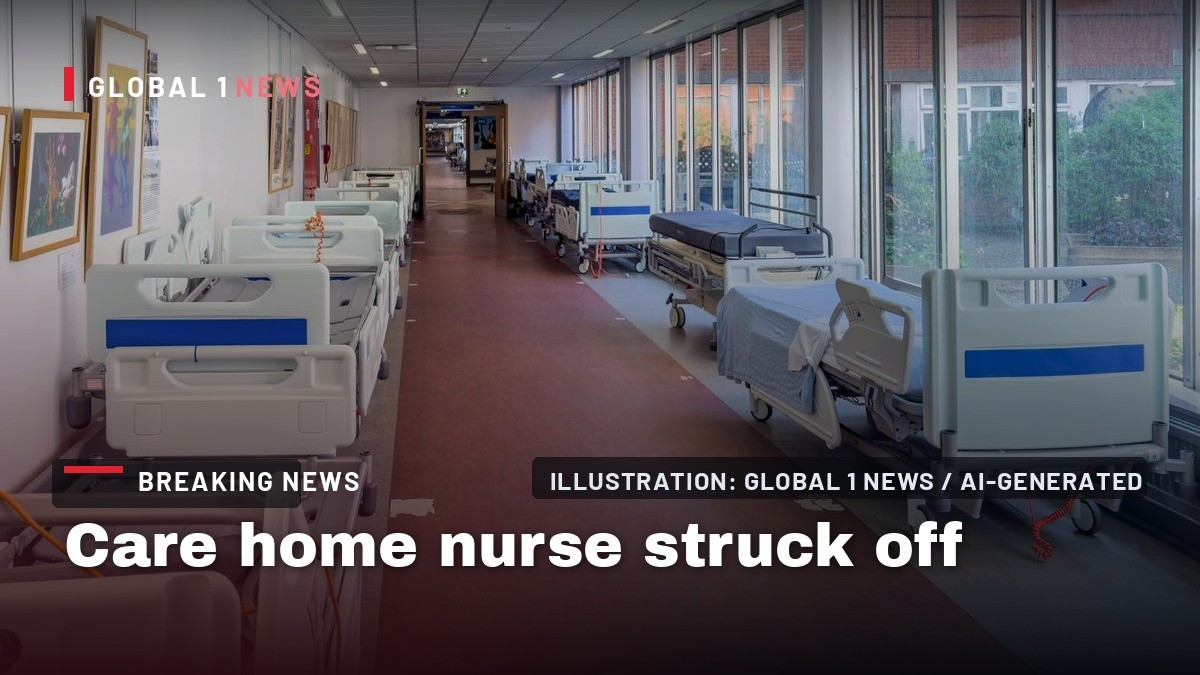
A senior care home nurse with more than a decade of experience has been struck off the professional register after a Nursing and Midwifery Council (NMC) panel found she told colleagues a resident with dementia did not need a birthday cake because they would not remember the occasion. Rossitsa Petkova was removed from the register this week following a misconduct hearing that heard she also shouted at vulnerable residents to “shut up” and belittled them over everyday mishaps at a nursing home in Chepstow.
A decade of service overshadowed by eight proven allegations
Ms Petkova had been employed as a registered nurse at Castleford House Nursing Home in Chepstow for more than ten years when the incidents took place between January and October 2023. The NMC panel found eight allegations proven against her, spanning a pattern of behaviour that regulators described as a “wide-ranging disregard for the wellbeing” of residents in her care.
The tribunal heard evidence that Ms Petkova told one resident their daughter would not visit if they failed to finish their dinner. When another resident apologised for dropping a beaker, she reportedly informed them it was their own fault. She was also found to have yelled at a colleague after they served a resident marmalade on toast.
Ms Petkova denied all allegations relating to the incidents at the nursing home, suggesting that colleagues “felt they had a clear run into the office to make pointless and childish complaints, particularly about me”. The panel, however, rejected her account and found the allegations proven to the required standard.
The birthday cake exchange that exposed a deeper failing
Central to the case was testimony from kitchen assistant Melanie Corfield, who described a conversation with Ms Petkova about a male resident who was confined to bed. Ms Corfield told the panel she had asked what should be done with the cake prepared for the resident’s birthday, only to be told that the man lacked capacity and would not know it was his birthday.
“I replied, ‘It’s not the fact that he hasn’t got capacity, this is his birthday. And to me, everybody deserves a birthday, dementia or not, so we will get one of the girls to take it up’ and Rossi said, ‘Or if not, we can eat the cake’,” Ms Corfield recounted during proceedings.

The exchange, which Ms Petkova denied making, was treated by the panel as emblematic of a broader attitude problem. In its ruling, the panel stated that the nurse had shown a “reprehensible and dismissive attitude towards the NMC as regulator during these proceedings” and had demonstrated a “deep-seated attitude of being dismissive towards all clinical and caring concerns”.
Panel finds entrenched behaviour and no evidence of remorse
The NMC panel concluded that Ms Petkova’s conduct represented a significant departure from the standards expected of a registered nurse. It noted that she had offered no evidence of insight, remorse or strengthening of practice, and that her behaviour appeared entrenched and therefore more difficult to remediate.
“The panel found that Ms Petkova displayed a deep-seated attitude of being dismissive towards all clinical and caring concerns, attempting to place the blame onto others, and being disparaging towards junior colleagues,” the ruling stated. The panel added that her actions were “fundamentally incompatible with her remaining on the register”.
The fitness-to-practise regime in the United Kingdom exists to protect the public and maintain confidence in the nursing profession. In reaching its decision, the panel weighed the seriousness of the findings against the need for a proportionate sanction, ultimately determining that nothing short of a striking-off order would suffice.
Public confidence and the duty of care in residential settings
In its written determination, the panel emphasised the wider implications of Ms Petkova’s conduct for public trust in residential care. “The panel considered that the public expect their family members to be well cared for if they need to enter a residential care home and that Ms Petkova’s actions of abuse and wide-ranging disregard for the wellbeing of the vulnerable patients in her care would fundamentally damage public confidence in the profession,” the ruling read.
The case raises uncomfortable questions about the standards of care experienced by some of the most vulnerable people in society. Dementia is among the most common conditions affecting residents of nursing homes across the UK, where people depend entirely on staff for their daily needs, dignity and emotional wellbeing.
Care sector experts have long argued that person-centred care — treating each resident as an individual with a life history, preferences and inherent worth — is not an optional extra but a fundamental obligation. The suggestion that a resident with dementia should be denied a birthday celebration because they would not remember it cuts directly against this principle, which underpins regulatory standards and good practice guidance across the sector.
A striking-off order and the end of a nursing career
A striking-off order means Ms Petkova is removed from the NMC register and can no longer work as a registered nurse anywhere in the United Kingdom. The sanction is the most severe available to the regulator and is reserved for cases where a practitioner’s conduct is so serious that allowing them to continue practising would pose an unacceptable risk to patients and to public confidence in the profession.
“The panel was of the view that the findings in this particular case demonstrate that Ms Petkova’s actions were serious and to allow her to continue practising would not protect the public and would significantly undermine public confidence in the profession and in the NMC as a regulatory body,” the ruling concluded.

The case also highlights the importance of whistleblowing and internal reporting within care settings. It was colleagues at Castleford House who raised concerns about Ms Petkova’s behaviour, and their evidence proved central to the panel’s findings. Without their willingness to speak up, the mistreatment of residents might have continued undetected.
Lessons for the care sector and the regulator
For the NMC, the regulator for nurses and midwives across the UK, this case underscores the challenges of identifying and removing practitioners whose behaviour falls short of the standards expected, particularly in settings where residents may be unable to advocate for themselves.
The panel’s reference to Ms Petkova’s “reprehensible and dismissive attitude towards the NMC as regulator” suggests that she did not engage constructively with the fitness-to-practise process. This is not uncommon in cases that reach a striking-off stage, but it compounds the seriousness of the underlying misconduct.
For families considering residential care for elderly relatives, cases such as this are deeply unsettling. The vast majority of care home staff in the UK are dedicated, compassionate professionals who provide excellent care under difficult conditions. But the regulatory system exists precisely because vulnerable residents cannot always speak up for themselves, and when failures occur, they must be addressed swiftly and decisively.
The striking-off order sends a clear message that behaviour of this kind — whether shouting at residents, mocking their limitations or denying them small dignities like a birthday cake — will not be tolerated. As the panel itself noted, the public expect their family members to be well cared for if they need to enter a residential care home, and the regulator has a duty to ensure that expectation is met.
Ms Petkova, who had worked at Castleford House for over a decade, will now face the consequences of her actions. The NMC’s decision, published this week, brings to a close a case that exposed serious failings in the treatment of vulnerable residents and reaffirmed the standards to which all registered nurses must adhere.
By Erica Thornton, Staff Writer
This article was produced with AI-assisted research and editorial support. Sources: The Independent.
What's Your Reaction?
 Like
0
Like
0
 Dislike
0
Dislike
0
 Love
0
Love
0
 Funny
0
Funny
0
 Wow
0
Wow
0
 Sad
0
Sad
0
 Angry
0
Angry
0

US Politics and Policy Correspondent at Global1.News. Based in Washington DC, covering American politics, policy, elections, and the courts. Knows how the system works and tells you what it actually means.














Comments (0)