
Seven arrested for using Ghanaian banknotes to make 'money bouquets'
Ghana’s central bank has taken a decisive step against the growing trend of turning legal tender into decorative items. All are alleged to have sold the decorative bouquets across various parts of the capital, catering to celebrations such as weddings, birthdays and graduations.
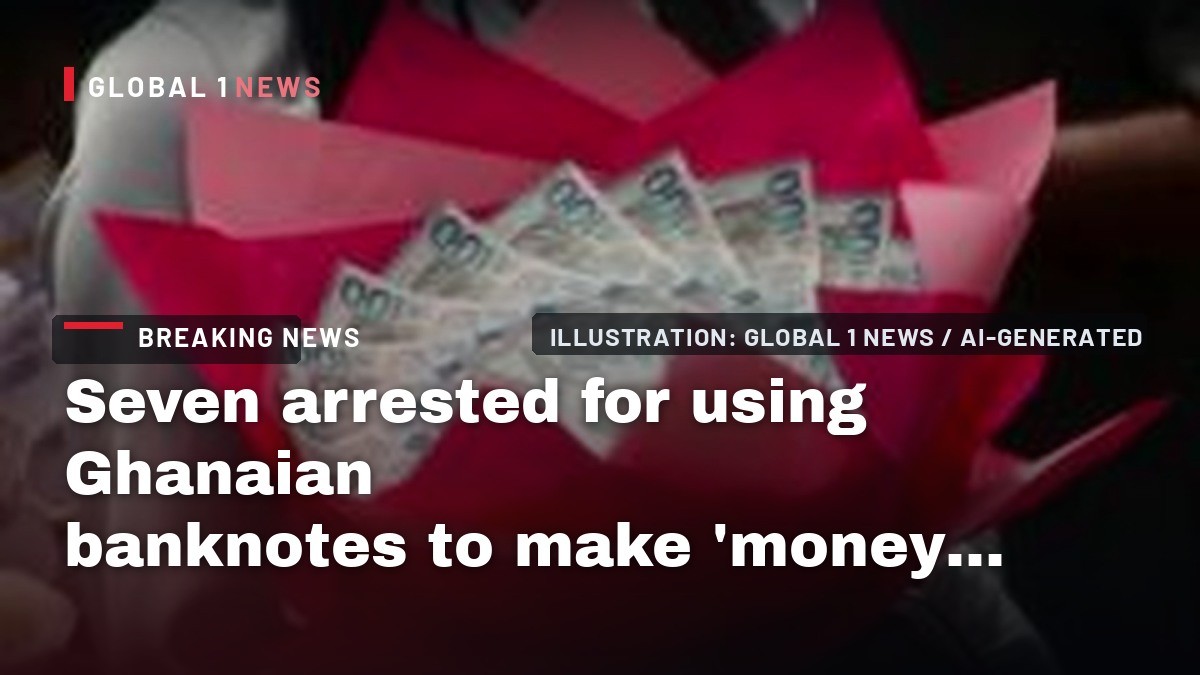
Ghana’s central bank has taken a decisive step against the growing trend of turning legal tender into decorative items. In early October, seven women were arrested in Accra after police, acting on a tip‑off, seized what officials describe as “money bouquets” – arrangements of banknotes used to adorn cakes and gifts. The Bank of Ghana, which flagged the practice as illegal earlier this year, says the arrests mark the most significant enforcement action since it warned that such misuse could constitute an offence.
What the arrests reveal about Ghana’s stance on currency abuse
The seven suspects were detained in a coordinated sweep involving the Bank of Ghana’s currency department and the police. All are alleged to have sold the decorative bouquets across various parts of the capital, catering to celebrations such as weddings, birthdays and graduations. The Bank of Ghana has repeatedly stressed that the cedi is legal tender that must be handled with respect, warning that any act that “depreciates or impairs” the currency could attract sanctions. By moving from warnings to arrests, the authorities are signalling that they will not tolerate practices they view as undermining the cedi’s lawful use.
Dinah Bonzi, a senior official in the bank’s currency department, emphasized that anyone who aids or promotes the creation of money bouquets could also face prosecution. Her remarks underscore a broader policy aim: to preserve the dignity of the national currency and deter activities that could erode public confidence in its value.
The cultural appeal of money bouquets
Despite the legal warnings, the use of banknotes as decorative elements has become increasingly popular in Ghana. Vendors have marketed the bouquets as eye‑catching gifts, often presenting them alongside cakes at festive occasions. The appeal lies in the symbolic display of wealth and generosity, turning paper money into a visual statement of prosperity. Such practices have also spread to other African nations, where similar “money decorations” have been reported at celebrations.
This cultural trend reflects a broader African tradition of using tangible symbols of wealth in social rituals. However, the Ghanaian authorities argue that turning legal tender into ornamental objects crosses a line, moving from celebration to misuse that could potentially harm the currency’s integrity.
Legal framework and potential penalties
Under Ghanaian law, the misuse or abuse of the cedi is an offence that can attract fines or imprisonment. While the exact penalties for the seven arrested women have not yet been disclosed, officials indicated that courts will determine the appropriate sanctions. The Bank of Ghana’s earlier notice in July warned that “any conduct that undermines its lawful value or use” could be punishable, setting a legal backdrop for the current prosecutions.
Beyond the immediate cases, the bank’s statement that anyone “aiding or promoting” such activities could be arrested broadens the scope of enforcement. This could affect not only sellers but also event planners, bakers and anyone else involved in the supply chain of money‑based decorations.
Regional parallels: how other countries are responding
Ghana is not alone in confronting the phenomenon of money‑based décor. In recent years, central banks in Kenya, Nigeria, South Africa and Botswana have issued similar warnings. Kenya’s central bank, for instance, has cautioned that creating banknote bouquets could lead to jail time, echoing Ghana’s stance on protecting the sanctity of national currency.
These coordinated warnings across the continent suggest a shared concern among monetary authorities about the symbolic erosion of currency respect. While each nation’s legal framework differs, the common thread is a desire to prevent practices that could be perceived as trivialising or devaluing the national medium of exchange.
Economic implications of currency misuse
From an economic perspective, the central banks’ anxiety stems from the potential cumulative effect of widespread decorative use. If large numbers of banknotes are repeatedly handled in ways that increase wear and tear, the cost of replacing damaged notes could rise. Moreover, the visual normalisation of money as a decorative object may subtly shift public perception, making the currency appear less as a stable store of value and more as a novelty item.
While the direct impact on Ghana’s monetary stability is likely limited, the symbolic message is significant. By enforcing strict penalties, the Bank of Ghana aims to preserve confidence in the cedi, especially at a time when many African economies are navigating inflationary pressures and seeking to strengthen fiscal credibility.
Public reaction and the road ahead
The arrests have sparked mixed reactions among Ghanaians. Some view the crackdown as an overreach, arguing that the practice is a harmless cultural expression. Others welcome the firm stance, seeing it as a necessary defence of national pride and economic prudence. Social media commentary reflects this divide, with some users sharing images of the seized bouquets while others echo the bank’s call for “dignity” in handling the cedi.
Going forward, the authorities plan to continue investigations and pursue prosecutions. The Bank of Ghana has reiterated that today’s arrests serve as a “clear warning to the public.” As the legal process unfolds, the case will likely become a reference point for future enforcement actions against currency misuse across the region.
What this means for cultural entrepreneurs
For Ghanaian entrepreneurs who have built businesses around festive décor, the crackdown presents a stark reminder of the need to align creativity with regulatory boundaries. While the market for unique wedding and birthday gifts remains robust, vendors will now have to navigate a tighter legal environment. Alternatives that avoid the use of actual banknotes—such as printed replicas or symbolic designs—may become more attractive to both sellers and customers seeking to comply with the law.
In the broader context, the episode underscores the delicate balance between cultural innovation and economic stewardship. As African societies continue to celebrate milestones with flair, policymakers and creators alike must find ways to honour tradition without compromising the integrity of the instruments that underpin everyday commerce.
This article was produced with AI-assisted research and editorial support. Reporting is based on the source material cited below. Sources: BBC News Africa; bbc.co.uk; Global1.News (08 October 2026).
By Amara Diop, Staff Writer
What's Your Reaction?
 Like
0
Like
0
 Dislike
0
Dislike
0
 Love
0
Love
0
 Funny
0
Funny
0
 Wow
0
Wow
0
 Sad
0
Sad
0
 Angry
0
Angry
0

West Africa/Sahel Correspondent at Global1.News. Dakar-based journalist covering politics, security, climate, and development across Francophone and Anglophone West Africa. Tells the stories of a region undergoing profound transformation.















Comments (0)